
 Services
 Solutions
 Main platform
 Technology
 White Label
  Offshore
 Hire developers



In the era of digital transformation, CRM (Customer Relationship Management) is no longer just a tool for managing customer data. Today, it has become the “heart” of businesses in Vietnam, helping optimize workflows, enhance customer experiences, and drive overall business performance.
In 2026, the demand for custom CRM solutions software specifically designed to match a company’s unique workflows and objectives is booming, particularly among SMBs and large enterprises. These businesses require flexible systems that integrate AI, automate processes, and connect multiple channels, rather than relying on “one-size-fits-all” CRM software.
Vietnam is emerging as an ideal destination for custom CRM development, thanks to its cost efficiency, high-quality IT talent, and experience delivering projects for both domestic and international clients. However, choosing the right CRM development partner is not simple: each provider brings unique strengths in technology, implementation processes, and post-launch support.
This article explores the top custom CRM development companies in Vietnam. We compare their strengths, typical costs, and implementation timelines to help businesses choose the right partner.
Why Vietnam is a Hub for Custom CRM Development?
Vietnam is quickly becoming a go-to destination for companies seeking custom CRM development due to the combination of cost efficiency, a skilled IT workforce, and an increasingly robust technology infrastructure. According to the Vietnam Software Outsourcing Report 2025, software development costs in Vietnam are approximately 30–40% lower than in the U.S. or Europe, while quality and delivery timelines remain reliable. This makes Vietnam particularly attractive to startups and SMBs with limited budgets that still want effective, tailored CRM solutions.
Vietnamese CRM development companies are not only experienced in domestic projects but also serve international clients, offering advanced technologies such as:
- AI-driven automation to streamline sales and customer service workflows
- Advanced analytics to measure marketing campaign performance and customer behavior
- Mobile-first accessibility enabling employees to access CRM anytime, anywhere
- Multi-channel integration with ERP, marketing tools, and social media platforms
Thanks to these advantages, Vietnam is not only cost-effective and skilled in human resources but also provides businesses with the opportunity to implement custom CRM solutions that maximize ROI and enhance customer experience.
Top 5 Custom CRM Development Companies in Vietnam – Update 2026
As businesses increasingly rely on data and customer experience, CRM has become more than just a database, it is a central hub where decisions are guided by real insights. Choosing the right CRM development partner means selecting a strategic ally who understands your workflow, your unique needs, and can support your business at every stage of growth.
Strategic Comparison Table (2026):
| Company | Key Technology Focus | Best For |
| ONEXT DIGITAL | Generative AI & Personalization | E-commerce & Retail brands focused on customer growth. |
| FPT Software | Private AI & Enterprise Cloud | Large corporations requiring high security and scale. |
| KMS Technology | Prescriptive Analytics | B2B firms needing AI to predict sales and prevent churn. |
| TMA Solutions | Edge Computing & AR | Logistics and Real Estate with large field-force teams. |
| CMC Corporation | Autonomous Operations | Organizations looking to automate 100% of admin tasks. |
1. ONEXT DIGITAL:
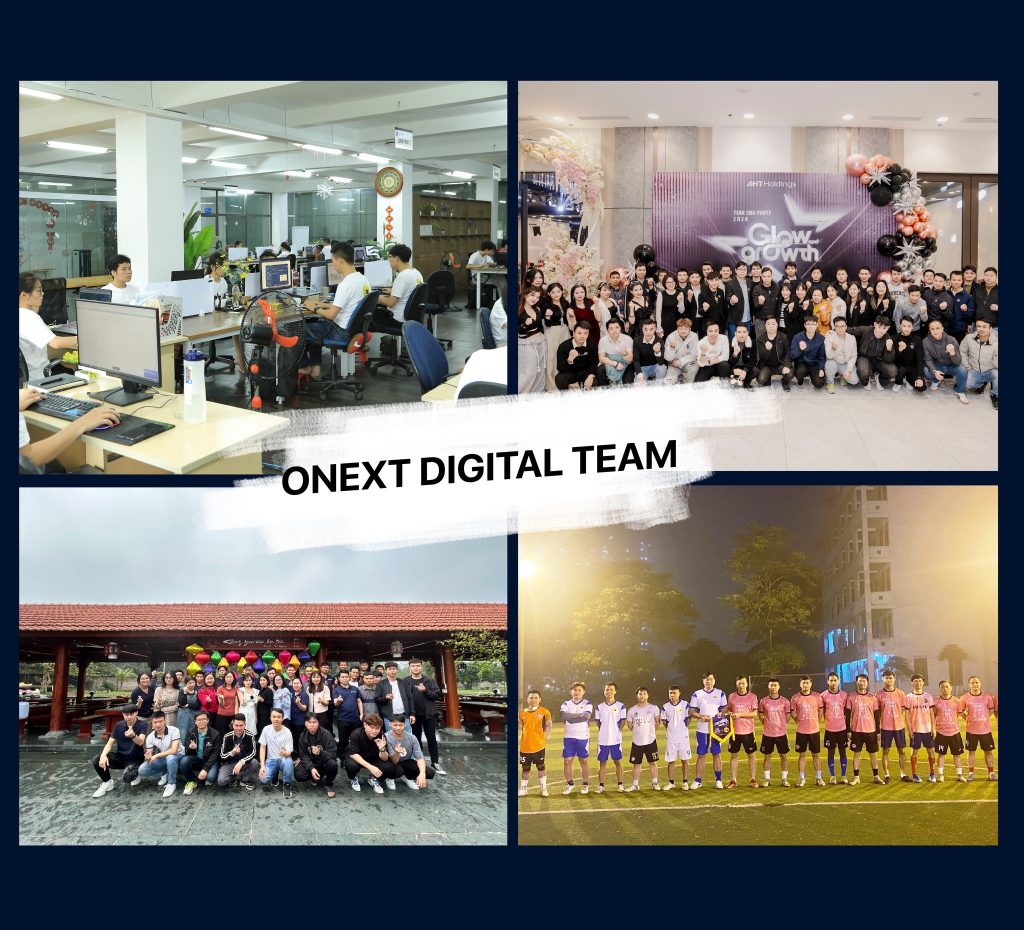
ONEXT DIGITAL has been providing CRM solutions since 2012, with a team of over 200 IT professionals. Their CRM platforms integrate AI-driven marketing automation tools, helping businesses track leads and personalize communications across multiple channels. The company primarily serves e-commerce, retail, and service industries.
Strengths:
- AI-Powered Personalization: Uses AI to analyze multi-channel interactions and suggest personalized outreach based on customer behavior.
- Flexible Workflow Design: CRM modules adapt to changing business needs, supporting seamless scaling and process updates.
- Integrated Data Management: Real-time synchronization with ERP systems, e-commerce platforms (e.g., TikTok Shop, Shopee), and global marketing tools.
2. FPT Software
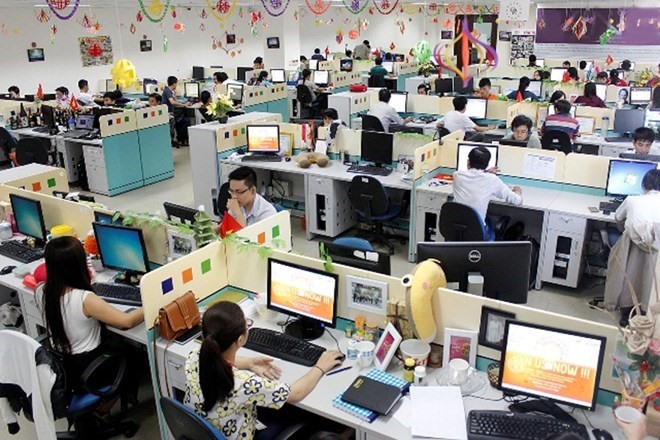
As a global tech giant, FPT Software delivers robust, high-availability CRM solutions tailored for massive scale. In 2026, they lead the market in integrating Private AI models into CRM, ensuring that large enterprises can leverage intelligence without compromising data sovereignty.
Strengths:
- API-First & Microservices: A modular architecture that allows enterprises to plug in new features (like VR/AR showrooms) without downtime.
- Cognitive Automation: Advanced AI bots that handle tier-1 customer support and complex data entry across global branches.
- Tier-4 Security: Implementation of Zero-Trust security protocols, essential for banking, insurance, and healthcare sectors.
3. KMS Technology:
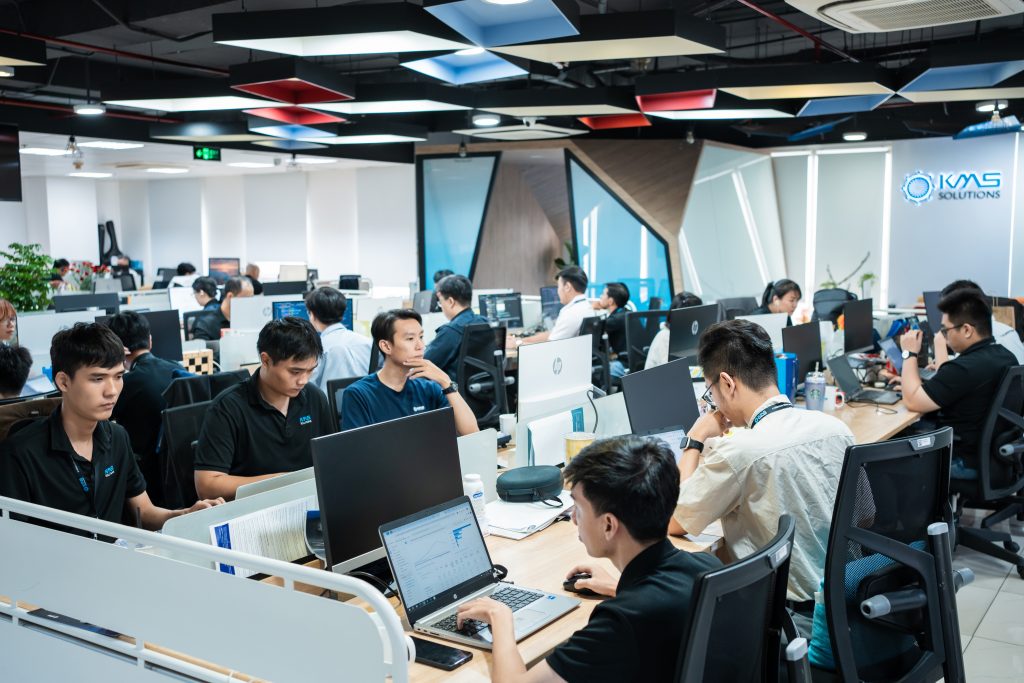
KMS Technology is the go-to partner for businesses seeking Predictive CRM solutions. By 2026, they have perfected the art of “Prescriptive Analytics” not just telling you what happened, but using AI to suggest exactly what your sales team should do next to close a deal.
Strengths:
- Predictive Revenue Insights: AI engines help forecast sales trends and detect potential churn risks early, enabling sales teams to take timely action.
- High-Velocity Deployment: Proven offshore agile frameworks allow the delivery of complex, multi-module CRM platforms efficiently and reliably.
- International Compliance: Built-in support for GDPR, CCPA, and Vietnam’s Cybersecurity Law ensures smooth operations for businesses expanding globally.
4. TMA Solutions:

In a 2026 world where the “office” is everywhere, TMA Solutions focuses on Edge CRM Intelligence. Their solutions are designed for field forces, logistics, and retail staff who need full CRM power on mobile devices with zero latency, even in low-connectivity areas.
Strengths:
- Intelligent Mobile Assistant: Voice-activated CRM updates and AR-assisted field service tools integrated directly into the mobile app.
- Edge Data Processing: Fast, local data handling on mobile devices that syncs to the cloud the millisecond a connection is found.
- Scale-on-Demand: Flexible infrastructure that supports thousands of concurrent field users across multi-country operations.
5. CMC Corporation:

CMC Corporation has redefined CRM for 2026 by focusing on Automated business processes. Their systems act as a “centralized CRM hub” automating the most complex administrative tasks so that human talent can focus exclusively on high-value relationship building.
Strengths:
- Autonomous Workflow Orchestration: AI that manages the entire lead-to-cash process, from initial inquiry to automated invoicing and loyalty rewards.
- Hyper-Secure Infrastructure: Built on CMC’s proprietary Data Center ecosystem, offering the highest level of data localized within Vietnam.
- Business Intelligence (BI) 2.0: Real-time, 360-degree dashboards that provide instant strategic insights via natural language queries (e.g., “Show me why ROI dropped in Region A”).
How to Choose the Right CRM Development Partner?
Selecting a custom CRM provider is more than choosing a “budget-friendly software.” It is a strategic decision choosing a partner who will walk with your business through every growth stage. Here are key factors business owners should consider:
1. Fit with Your Business Workflow
A common mistake is choosing a “ready-made” CRM without considering actual workflows. The result? Employees must change habits, spend time on training, and processes are disrupted.
The ideal CRM provider must understand your internal operations from sales and customer care to marketing and create flexible modules that adapt as your business evolves.
2. Modern Technology & Multi-Channel Integration
CRM today is more than a data repository; it’s the hub that coordinates all interactions. Businesses should prioritize solutions that offer:
- AI & predictive analytics for customer behavior forecasting and actionable suggestions
- Multi-channel connectivity with ERP, marketing tools, e-commerce platforms, and social media
- Anytime, anywhere access for field teams or sales staff
3. Scalability & Long-Term Compatibility
Businesses grow adding branches, launching new products, or testing new strategies. A rigid CRM will need replacing in a few years, costing time and money.
A good provider builds CRM on a modular or API-first architecture, allowing expansion or feature additions without disrupting existing workflows.
4. Support & Maintenance
Post-deployment support is often overlooked, but CRM implementation is never “finished.”
Choose a partner offering fast, clear support, data backup procedures, feature updates, and strict security policies. When issues arise, your staff won’t be blocked, and your business won’t lose customers due to system downtime.
5. Cost, ROI & Real Value
Initial costs do not reflect the full value of a CRM. Business owners should consider long-term ROI: reducing errors, speeding processes, optimizing marketing, and increasing revenue.
Ask for transparent pricing for implementation, maintenance, and customization. Check case studies to see how similar businesses improved performance after deploying CRM.
6. Experience & Reputation
Experience is the clearest proof. Companies that have successfully implemented CRM for businesses of similar size or industry understand potential challenges and how to optimize the system.
Always request testimonials, case studies, or live demos to ensure the CRM will truly deliver results, not just promises on paper.
CRM Trends in 2026: AI, Automation & Mobile Access
The CRM landscape has evolved from a “system of record” to a “system of intelligence”. In 2026, using CRM only as a database can limit growth. To stay competitive in Vietnam’s fast-moving market, businesses should focus on three main areas:
1. AI-Driven Personalization
AI in CRM now goes beyond analyzing data. It helps businesses provide more relevant customer interactions by using behavioral and transaction data in real time.
- Content and Outreach: AI can suggest personalized emails, proposals, and chat messages tailored to customer behavior.
- Personalized Customer Journeys: CRM can adjust recommendations based on browsing history, past purchases, and engagement patterns.
- Early Churn Detection: AI helps identify customers at risk of disengaging, enabling timely retention actions.
2. Advanced Process Automation
Modern CRM solutions automate complex workflows, reducing manual tasks and streamlining processes across sales, marketing, and customer service.
- Adaptive Lead Management: CRM adjusts lead scoring and follow-up schedules based on observed patterns.
- Voice and Task Integration: Sales teams can update records and trigger workflows through voice commands.
- Cross-Department Coordination: Automation supports seamless handoff between sales, marketing, and finance, e.g., generating invoices or service tickets automatically.
3. Mobile-Optimized CRM
CRM platforms are built for mobile access, allowing field teams and sales staff to update and retrieve information anytime, even in low-connectivity areas.
- Real-Time Data Access: Field teams can view inventory, pricing, and customer information with offline sync when back online.
- Enhanced Mobile Tools: AR or other visualization features can support industries like real estate or manufacturing.
- Executive Dashboards: Mobile dashboards provide managers with concise daily insights on key metrics and risks.
Cost of Custom CRM Development in Vietnam
The cost of developing a custom CRM in Vietnam varies depending on business size, feature complexity, and technology stack. For small and medium-sized businesses (SMBs), basic CRM platforms typically start from $15,000–$25,000, while more advanced solutions for large enterprises can exceed $100,000, especially if AI integration, multi-channel workflows, and complex reporting are included.

Factors that influence the cost include:
- Team size and expertise: More experienced developers and specialized roles increase cost.
- Feature scope: Modules for sales, marketing automation, customer service, and analytics affect pricing.
- Integration requirements: Connecting CRM with ERP, e-commerce platforms, and third-party tools adds complexity.
- Customization and scalability: Flexible systems designed to grow with your business may require additional development time.
Investing in a well-built custom CRM often yields higher long-term ROI by improving productivity, customer satisfaction, and data-driven decision-making.
How Long Does It Take to Build a Custom CRM?
The timeline for developing a custom CRM depends on project complexity and the development approach. Typically:
- Basic CRM for SMBs: 3–4 months for core modules like sales tracking, contact management, and basic reporting.
- Advanced CRM for enterprises: 6–12 months for multi-module platforms with AI, marketing automation, and multi-channel integrations.
Agile development frameworks allow faster iteration, with early modules deployed for testing while other features are still being built. Key phases include:
- Requirement gathering & workflow analysis – understanding business processes.
- Design & development – coding, integrating modules, testing.
- User acceptance testing (UAT) & deployment – ensuring the system meets business needs.
- Maintenance & continuous improvement – updates, security patches, and new features over time.
Proper planning and collaboration with an experienced development partner can reduce delays and ensure a smooth launch.
When Should a Business Build a Custom CRM Instead of Using SaaS?
While SaaS CRM solutions can be cost-effective and quick to deploy, building a custom CRM is often the better choice when your business has:
- Unique workflows or multi-channel processes that standard SaaS cannot support.
- Integration needs with ERP, e-commerce platforms, marketing tools, or proprietary systems.
- Data security or compliance requirements that demand control over infrastructure.
- Growth plans requiring scalable systems adaptable to new products, teams, or markets.
For smaller businesses with simple workflows, SaaS CRM may suffice. However, companies with complex operations or a focus on personalized customer experiences can achieve higher long-term ROI by investing in a custom CRM tailored to their specific needs.
FAQs: Custom CRM Development in Vietnam
1. What is custom CRM development?
Custom CRM development involves building a customer relationship management system tailored to a company’s specific workflows, processes, and business goals, rather than using off-the-shelf software.
2. Why choose a custom CRM over SaaS solutions?
A custom CRM is ideal when a business has unique workflows, integration requirements, or data security needs that standard SaaS solutions cannot support, providing better scalability and long-term ROI.
3. How much does it cost to develop a custom CRM in Vietnam?
Costs vary depending on complexity and features. SMB solutions typically range from $15,000–$25,000, while enterprise platforms with advanced features can exceed $100,000.
4. How long does it take to build a custom CRM?
Basic CRM systems can be delivered in 3–4 months, while advanced multi-module platforms with AI and integrations may take 6–12 months, depending on scope and development approach.
5. What industries benefit most from custom CRM in Vietnam?
E-commerce, retail, logistics, manufacturing, and service industries benefit the most, particularly businesses needing multi-channel integration, AI-driven personalization, and mobile access for field teams.
6. How do I choose the right CRM development company in Vietnam?
Look for providers with experience in your industry, strong technical expertise, proven track record with both SMBs and enterprises, transparent pricing, flexible workflow design, and reliable post-launch support.
Conclusion
A custom CRM is more than just software, it acts as a strategic tool that helps businesses streamline operations, enhance customer experiences, and support sustainable growth. In 2026, leveraging AI, advanced automation, and mobile-optimized design is increasingly essential for staying competitive in fast-moving markets like Vietnam.
Selecting the right CRM development company, one that understands your business workflows, provides flexible customization, integrates modern technologies, and offers reliable long-term support can maximize ROI, ensure smooth operations, and help your company scale efficiently.
For businesses exploring custom CRM development in Vietnam, partnering with an experienced provider can turn your CRM system into a true growth engine, tailored to your unique needs and objectives.