Businessman holding tablet and showing a growing virtual hologram of statistics, graph and chart with arrow up on dark background. Stock market. Business growth, planing and strategy concept.
With competitive pricing and excellent services, we are a trusted offshore web development partner offering high-quality solutions at competitive rates, based in Vietnam
Top 10 Best Accounting Software for Startups in 2025: Features, Pricing & How to Choose
Back
Managing finances is one of the toughest challenges for startups. Many founders still rely on spreadsheets or manual bookkeeping, which often leads to errors, wasted time, and poor financial visibility. Without reliable numbers, it becomes harder to control cash flow, stay compliant with taxes, or build investor trust.
That’s why choosing the right accounting software for startups has become essential in 2025. Modern solutions don’t just simplify bookkeeping they automate reporting, integrate with banking systems, and provide real-time financial insights. For resource-limited teams, this means more clarity, fewer mistakes, and smarter decisions.
In this guide, we’ll explore the Top 10 Best Accounting Software for Startups in 2025, comparing their features, pricing, and suitability for different types of startups. Whether you’re bootstrapping or scaling fast, you’ll find a tool that helps manage your finances with confidence.
What Is Accounting Software?
Accounting software is a specialized digital tool designed to streamline financial management for businesses, including startups. Instead of handling finances with spreadsheets or manual paperwork, accounting software automates key accounting tasks and stores all financial data in a centralized system.
For startups, this means greater efficiency, fewer mistakes, and more time to focus on growth. Typical features of accounting software include:
Transaction management: Record income, expenses, assets, liabilities, and equity in one place.
Automated bookkeeping: Reduce manual entry and minimize human error.
Financial reporting: Generate clear reports on cash flow, profit & loss, and balance sheets.
Bank integration: Sync with banking systems for automated feeds and easy reconciliation.
Scalability: Adapt as the business grows, from early-stage startups to scaling companies.
In essence, accounting software goes beyond basic bookkeeping. It provides startups with real-time financial insights, ensures compliance, and supports better decision-making all crucial for survival and growth in today’s competitive landscape.
Why Startups Struggle with Accounting
Accounting is often one of the most overlooked yet critical aspects of running a startup. Unlike established companies with dedicated finance teams, startups usually operate with limited resources and founders wearing multiple hats. This leads to several common challenges:
1.Limited Financial Expertise
Most startup founders are skilled in product development, sales, or technology, but not in financial management. Without proper accounting knowledge, they risk making errors in cash flow forecasting, expense tracking, and tax compliance.
2.Inconsistent Record-Keeping
In the early stage, startups tend to focus on growth and overlook systematic bookkeeping. Missing invoices, poorly tracked expenses, and lack of documentation often create serious problems when raising funds or preparing for audits.
3.Cash Flow Mismanagement
Many startups collapse not because their ideas fail, but because they run out of cash. Without accurate accounting, it’s difficult to monitor burn rate, plan for recurring expenses, or identify when additional capital is needed.
4.Complex Compliance Requirements
Startups must comply with tax regulations, payroll rules, and sometimes international financial standards if they scale quickly. Navigating this complexity without professional support can lead to penalties and reputational risks.
5.Scalability Issues
Manual spreadsheets or basic tools may work in the beginning, but as a startup grows, the lack of a proper accounting system makes financial reporting chaotic and unreliable.
In short, poor accounting practices don’t just cause minor headaches they directly impact a startup’s survival. Accurate, timely, and scalable accounting is essential for making informed decisions, attracting investors, and ensuring long-term growth.
How Startups Can Overcome Accounting Challenges
Accounting might not be the most exciting part of running a startup, but it is essential for survival and growth. Startups often operate with limited resources, tight timelines, and a strong focus on scaling, which can make managing finances overwhelming. However, with the right strategies, accounting can shift from being a burden to becoming a growth enabler.
1. Implement Scalable Technology
Startups should adopt user-friendly, cloud-based accounting software like QuickBooks, Xero, or FreshBooks from the very beginning. These platforms help automate routine tasks such as invoicing, expense tracking, and payroll reducing errors and saving valuable time. Integration with other business tools, such as CRM, inventory, or payment systems, ensures a cohesive workflow and real-time visibility into cash flow.
Key Actions:
Choose scalable software that grows with your startup.
Leverage automation to minimize manual bookkeeping.
Integrate with other business systems for efficiency.
2. Maintain Financial Discipline
A strong foundation of financial discipline prevents confusion and supports growth. Startups should separate personal and business finances, consistently record all transactions, and reconcile accounts regularly. Clear policies for expense tracking and categorization help maintain accuracy and transparency.
Key Actions:
Open a dedicated business bank account.
Keep consistent and organized financial records.
Reconcile accounts regularly to catch errors early.
3. Practice Proactive Financial Planning
Cash flow and cost management are critical for startups. Regularly reviewing financial reports allows founders to anticipate challenges, make informed decisions, and adjust strategies in time. Accurate tracking of costs and revenues ensures profitability and avoids surprises.
Key Actions:
Prepare monthly cash flow forecasts.
Monitor accounts receivable and manage expenses.
Track costs accurately and review pricing periodically.
4. Seek Professional Expertise
Even with excellent tools and processes, accounting requires specialized knowledge. Startups can hire an internal accountant or outsource to a professional accounting firm to ensure compliance, accurate reporting, and strategic insights. Experienced advisors can also assist with tax planning, funding, and scaling strategies.
Key Actions:
Partner with accountants who understand startup challenges.
Consider outsourcing if internal resources are limited.
Use professional guidance for tax compliance and strategic advice.
5. Ensure Compliance with Laws and Taxes
Startups must navigate complex tax and regulatory requirements. Failing to comply can result in penalties that drain resources. Keeping accurate, organized records and staying informed about obligations are critical steps.
Key Actions:
Maintain detailed financial records for tax purposes.
Stay up-to-date with local regulations and deadlines.
Use professional tax services when necessary.
6. Build a Financially Literate Team
Accounting doesn’t have to be the sole responsibility of the finance team. Equipping your team with basic financial knowledge budgeting, cost control, and reporting empowers smarter decision-making across the startup. Transparency around financial goals encourages accountability and informed actions.
Key Actions:
Provide basic financial training to employees.
Share financial goals and performance metrics.
Foster a culture of accountability and data-driven decision-making.
Overcoming accounting challenges is not about hiring a large finance department it’s about building the right systems, leveraging technology, maintaining discipline, and seeking expert guidance. Startups that prioritize accounting early create a stable foundation for growth, investor trust, and long-term success.
Benefits of Accounting Software for Startups
Choosing the right accounting software is more than just a convenience it’s a strategic investment that can directly influence a startup’s growth, compliance, and decision-making. Modern accounting tools offer a range of benefits designed specifically for startups:
1. Operational Efficiency & Accuracy
Automation: Accounting software automates repetitive tasks like invoicing, expense tracking, and data entry, freeing founders and small teams to focus on strategy and product development.
Minimized Errors: Built-in formulas and automated processes reduce human errors, ensuring accurate and reliable financial data. Streamlined Processes: A well-organized and automated accounting workflow makes financial operations smoother and more efficient.
2. Financial Insights & Management
Real-Time Financial Data: Dashboards and reports provide instant access to up-to-date financial information, enabling timely, data-driven decisions.
Improved Cash Flow Management: Real-time visibility into income, expenses, and liquidity helps startups identify potential shortfalls and plan ahead.
In-depth Reporting: Customizable reports and analytics give a clear understanding of a startup’s financial health, profitability, and performance metrics.
3. Growth & Compliance
Scalability: Accounting software grows with your business, handling an increasing number of transactions, users, and integrations as your startup expands.
Tax Compliance: Accurate and organized records simplify tax preparation, minimize the risk of penalties, and ensure regulatory compliance.
Integration: Many platforms connect seamlessly with CRM systems, payroll services, and other business tools, creating a cohesive management ecosystem.
4. Cost & Time Savings
Time Savings: Automating bookkeeping frees up valuable time for founders and employees to focus on core business activities and growth initiatives.
Cost Savings: Reduces costs related to manual data entry, errors, and potential regulatory penalties, which can quickly add up in a startup environment.
5. Data Security & Professionalism
Enhanced Security: Digital storage and organized data management ensure financial information is secure and easily accessible.
Professional Presentations: Generate professional financial statements and reports, which are essential for attracting investors or presenting to external stakeholders.
For startups, accounting software is not just a tool it’s a growth enabler. By improving operational efficiency, providing real-time insights, ensuring compliance, and saving time and costs, these platforms help founders make informed decisions and build a solid financial foundation for long-term success.
Top 10 Best Accounting Software for Startups in 2025
1. QuickBooks Online
QuickBooks Online is a comprehensive accounting platform designed for startups and small teams. Its flexibility, automation, and extensive integrations make it ideal for bootstrapped companies looking to scale efficiently. Real-time dashboards provide clarity on cash flow, expenses, and profitability, while payroll and tax compliance features reduce administrative overhead.
Key Features:
Automated invoicing and expense tracking
Real-time cash flow dashboards
Integration with 650+ business apps
Payroll management
Pricing: Starts at $25/month (Simple Start plan)
Best For: Startups needing robust reporting and scalability.
Xero is a cloud-based accounting tool tailored for startups operating globally or with remote teams. Multi-currency support and collaborative features allow seamless financial management across locations. Its automation capabilities save time, and project tracking helps founders monitor profitability at every stage.
Key Features:
Multi-currency support
Bank feeds and automated reconciliation
Project tracking and inventory management
Third-party app integrations
Pricing: Starts at $12/month (Early plan)
Best For: International startups and SaaS businesses.
3. FreshBooks
FreshBooks simplifies accounting for service-based startups and freelancers. Its intuitive interface streamlines invoicing, time tracking, and project management, while automated reminders ensure timely payments. Reporting tools provide insights into client profitability and operational efficiency.
Key Features:
Client invoicing and automated follow-ups
Time tracking and project management
Expense management with receipt capture
Customizable reports
Pricing: Starts at $17/month (Lite plan)
Best For: Freelancers, consultants, and service-oriented startups.
4. Wave Accounting
Wave offers a free, cloud-based accounting solution perfect for early-stage startups on a tight budget. It provides essential accounting features without cost, including invoicing, receipt scanning, and simple reporting. Its intuitive platform supports multi-user collaboration, making bookkeeping accessible to non-financial founders.
Key Features:
Free accounting, invoicing, and receipt scanning
Integrated payment processing (fees apply)
Multi-user collaboration
Simple dashboards and reports
Pricing: Free for core accounting features
Best For: Bootstrapped startups seeking a no-cost, reliable solution.
5. Zoho Books
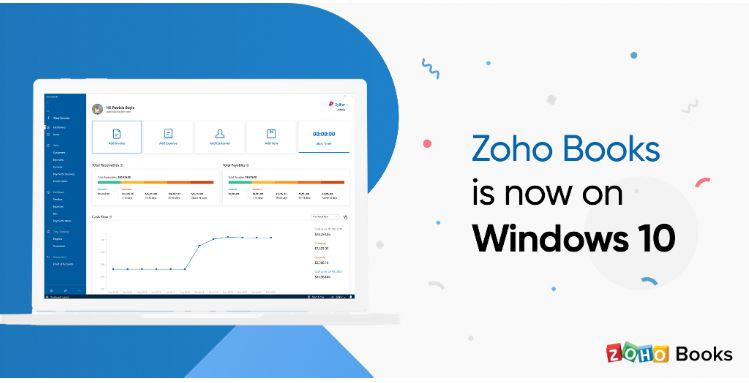
Zoho Books integrates accounting with other Zoho apps like CRM, Sales, and Inventory, making it ideal for startups needing a connected ecosystem. Its automation features streamline invoicing and expense tracking, while detailed reports offer deep financial insights for informed decision-making.
Part of the Odoo ERP suite, Odoo Accounting provides modular, scalable accounting solutions. Startups benefit from automated reconciliations, real-time dashboards, and integration with CRM, Sales, and Inventory modules, making it suitable for long-term growth.
Key Features:
Full-featured accounting and finance management
Real-time dashboards and automated reporting
Bank synchronization and automated reconciliations
ERP integration with Odoo modules
Pricing: Starts at $24/month per user
Best For: Startups planning for growth with ERP integration.
7. Sage Business Cloud Accounting
Sage Business Cloud Accounting delivers cloud-based accounting with a focus on compliance and simplicity. It supports automated invoices, expense tracking, and VAT/tax management, allowing small teams to manage finances reliably and stay compliant.
Key Features:
Automated invoices and recurring billing
Expense tracking and cash flow management
VAT and tax compliance support
Multi-device access
Pricing: Starts at $12/month (Sage Accounting Start)
Best For: Startups needing simple, reliable accounting with compliance features.
8. NetSuite ERP
NetSuite ERP offers enterprise-level accounting with advanced reporting and analytics. It supports multi-currency and multi-subsidiary management, making it ideal for high-growth startups anticipating rapid scaling. Its ERP integration provides a complete overview of financial, inventory, and operational data.
Key Features:
Comprehensive ERP and accounting integration
Advanced dashboards and reporting
Multi-currency and multi-subsidiary support
Budgeting, forecasting, and analytics
Pricing: Contact NetSuite (customized pricing)
Best For: High-growth startups seeking enterprise-grade scalability.
9. Kashoo
Kashoo is a simple, intuitive accounting software designed for small, bootstrapped startups. It minimizes setup time while offering automated bank feeds, invoicing, and cloud-based collaboration. Its clarity and ease of use make it ideal for founders without financial expertise.
Key Features:
Easy setup and minimal learning curve
Automatic bank feeds and reconciliation
Invoicing and expense tracking
Cloud-based collaboration
Pricing: $16.65/month
Best For: Founders seeking simplicity and affordability.
10. FreeAgent
FreeAgent combines accounting, project management, and tax management, making it ideal for freelancers and micro-startups. It automates time tracking, invoicing, and VAT/self-assessment compliance, while dashboards provide insights into cash flow and profitability.
Key Features:
Time tracking and invoicing
Tax management for self-assessment and VAT
Bank feed integration
Real-time reporting and dashboards
Pricing: $10/month
Best For: Freelancers, micro-startups, and UK-based startups needing tax support.
Comparison Table: Features & Pricing
Software
Starting Price
Best For
Key Strength
QuickBooks Online
$25/mo
Small teams, scalable
Comprehensive features & payroll
Xero
$12/mo
Global startups, SaaS
Multi-currency support
FreshBooks
$17/mo
Service-based startups
Invoicing & time tracking
Wave
Free
Bootstrapped startups
No-cost, reliable solution
Zoho Books
$20/mo
Startups using Zoho ecosystem
CRM & inventory integration
Odoo Accounting
$24/mo/user
Growth-focused startups
ERP modularity
Sage Accounting
$12/mo
Compliance-focused startups
VAT & tax support
NetSuite ERP
Custom
High-growth startups
Advanced analytics & scalability
Kashoo
$16.65/mo
Simple, affordable
Easy to use & cloud collaboration
FreeAgent
$10/mo
Freelancers & UK startups
Tax & project management
Conclusion
Choosing the right accounting software is mission-critical for any startup. The right tools do more than simplify bookkeeping—they deliver real-time financial insights, empower data-driven decisions, and fuel growth at every stage. Platforms like QuickBooks, Xero, FreshBooks, Wave, and Odoo Accounting give startups the edge they need to scale confidently.
Investing in the right software is about building an unshakable financial foundation, staying compliant, and driving sustainable growth. For startups ready to take control of their finances, Onext Digital provides expert guidance and tailored solutions to implement and optimize accounting systems that grow with your business.
Frequently Asked Questions (FAQs)
1. Why do startups need accounting software?
Yes. Accounting software automates bookkeeping, tracks expenses, ensures compliance, and provides real-time insights, helping startups make better financial decisions and focus on growth.
2. Can accounting software help with taxes?
Yes. Most modern tools calculate taxes automatically, generate reports, and help maintain compliance with local regulations, reducing the risk of penalties.
3. Is free accounting software reliable for startups?
Yes, with caveats. Free tools like Wave can manage basic bookkeeping and invoicing, but may lack advanced features, integrations, or scalability. For growing startups, investing in a paid solution is often beneficial.
4. Which accounting software is best for a small service-based startup?
FreshBooks and FreeAgent are ideal for service-oriented startups due to their simplicity, automated invoicing, time tracking, and client management features.
5. Can accounting software scale as my startup grows?
Yes. Tools like QuickBooks Online, Xero, Odoo Accounting, and NetSuite ERP are designed to scale, integrating with other business systems and supporting more complex financial operations as your startup expands.
6. Do I need an accountant if I use accounting software?
Not always. For small businesses with simple finances, accounting software can handle daily bookkeeping and basic reports. However, you still need an accountant for complex taxes, financial analysis, compliance, or strategic advice.
Need a Website or Mobile App From Experts?
We are ready to work and build on-demand solution for your business.

 Services
 Solutions
 Main platform
 Technology
 White Label
  Offshore
 Hire developers








 Kashoo is a simple, intuitive accounting software designed for small, bootstrapped startups. It minimizes setup time while offering automated bank feeds, invoicing, and cloud-based collaboration. Its clarity and ease of use make it ideal for founders without financial expertise.