
 Services
 Solutions
 Main platform
 Technology
 White Label
  Offshore
 Hire developers



How much should your business really be spending on managed IT services in 2026?
That’s the question many small and medium-sized business (SMB) owners are asking especially as IT systems grow more complex, and budgets feel tighter than ever. If you’re juggling cloud tools, cybersecurity, network issues, and user support, it’s easy to lose track of what you’re actually paying for or worse, overpaying without realizing it.
As someone who’s worked with dozens of SMBs over the past decade, I’ve seen firsthand how the right managed IT plan can save a company from tech chaos and how the wrong one can quietly drain thousands from the budget.
In this guide, we’ll break down:
- The real cost drivers behind managed IT services in 2026
- The most common pricing models and which one fits your business
- How costs compare across regions like the US, EU, and Vietnam
- And practical tips to help you optimize IT spending without cutting corners
Whether you’re reviewing your first IT contract or looking to renegotiate a long-standing provider, this article will help you understand what you’re paying for and why it matters. After all, isn’t it time your IT budget worked for your business, not against it?
What Are Managed IT Services and Why Do SMBs Need Them?
Managed IT services are outsourced technology solutions that help SMBs handle their IT needs efficiently, without the cost of a full in-house team.
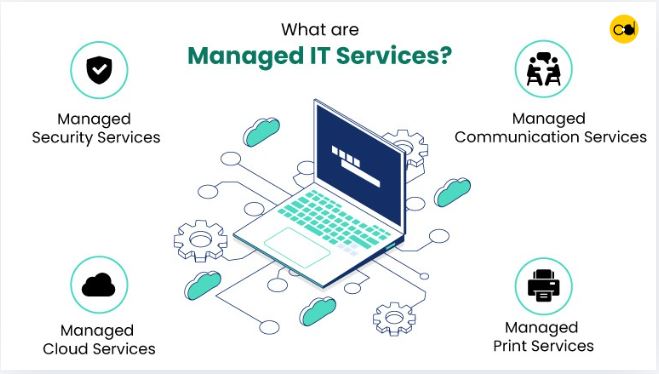
Managed IT services act like a dedicated IT department on demand. They cover everything from network monitoring and cloud management to cybersecurity and helpdesk support, all tailored to your company’s size and needs.
For small and medium businesses, the benefits go far beyond convenience. Outsourcing IT can save time, reduce risks, and make budgeting more predictable. Imagine not having to stress over unexpected server crashes or security breaches doesn’t that sound like a huge relief?
These services are highly flexible. Some SMBs might only need basic support and software updates, while others require comprehensive 24/7 monitoring and proactive security measures. Knowing exactly what’s included in each package helps you avoid hidden fees and ensures you get the best value for your investment.
What Factors Affect Managed IT Services Cost in 2026?
The cost of managed IT services in 2026 is influenced by your IT Services Cost 2026 company’s size, the complexity of your IT environment, the level of support you need, and the pricing model you choose.
Several key factors can make IT service costs vary widely for SMBs:
- Company Size and IT Complexity: Naturally, larger teams or more intricate networks require more monitoring and management, which increases costs. Think of it like having more moving parts in a machine more parts mean more maintenance.
- Type of Services Needed: Basic support is typically less expensive than comprehensive packages that include cloud solutions, cybersecurity, and proactive 24/7 monitoring. Which services do you truly need? Prioritizing your essential needs can save significant money.
- Level of Support: Round-the-clock support costs more than standard business-hours coverage. If you rarely face emergencies at night, a business-hour plan might be enough.
- Pricing Model: Providers may charge per-user, per-device, per-server, or offer flat-rate subscriptions. Each model affects cost predictability and flexibility differently.
- Hidden Fees and Extras: Watch for setup fees, backup services, or emergency support charges. Understanding the contract upfront prevents unwelcome surprises.
By analyzing these factors, SMBs can plan IT budgets more accurately, avoid unexpected spikes, and choose the service level that matches their needs. Have you reviewed your current IT plan recently to see if it aligns with these cost drivers?
Which Pricing Models Are Best for SMBs?
The best pricing model depends on your company’s size, IT complexity, and how predictable you want your costs to be. Common options include per-user, per-device, per-server, time & materials, and flat-rate subscriptions.

When choosing managed IT services, understanding pricing models is crucial because it directly impacts your budget predictability and flexibility. Here’s a breakdown of the most common models:
- Per-User Pricing: You pay a fixed fee for each employee using the IT service. Ideal for businesses that want predictable monthly costs and a clear link between team size and expenses.
- Per-Device Pricing: Charges are based on the number of devices, such as computers, laptops, or servers. Useful if your team size fluctuates but device count is stable.
- Per-Server or Per-Application: You pay for each server or application managed. This model suits businesses with critical infrastructure requiring specialized attention.
- Time & Materials: You pay for the hours worked and materials used. Offers flexibility for projects with unpredictable workloads but can lead to variable monthly costs.
- Flat-Rate Subscription: A fixed monthly fee covering all services in the package. Best for SMBs seeking simplicity and cost predictability, though it may include services you don’t fully use.
Choosing the right model depends on your IT needs, budget, and growth plans. Ask yourself: do you need full coverage 24/7, or just basic support? Are your IT demands predictable, or do they fluctuate with projects? Answering these questions helps ensure you select the model that provides the most value without overspending.
How Do Managed IT Services Costs Differ Between Vietnam and US/EU?
Managed IT services in Vietnam are generally more affordable, ranging around $15–$20 per hour, compared to $50–$100 per hour in the US and Europe, due to differences in labor costs, living expenses, and market standards.
Cost Comparison at a Glance (2026)
| Region | Average Hourly Rate | Estimated Monthly (25 Users) | Highlights |
|---|---|---|---|
| United States | $75–$120 | $3,000–$6,000 | Enterprise-grade support, fast SLAs |
| Europe | $60–$100 | $2,500–$5,000 | Similar to US; lower in Eastern Europe |
| Vietnam | $15–$35 | $800–$1,200 | Competitive pricing, growing service quality |
Cost variations across regions are significant and important for SMBs considering outsourcing or comparing providers. Here’s why:
- Labor and Operational Costs: Wages for IT professionals are lower in Vietnam than in the US or Europe, which naturally reduces service costs. However, this doesn’t always mean lower quality; many Vietnamese IT providers maintain international standards.
- Service Scope and Quality Expectations: Providers in the US/EU may include more comprehensive service packages, advanced security measures, and guaranteed response times, contributing to higher fees.
- Market Competition and Demand: In Vietnam, a growing number of IT service providers compete aggressively for SMB clients, often offering flexible packages and competitive rates. In contrast, US/EU markets have more established providers with premium pricing.
- Currency and Economic Factors: Exchange rates and local economic conditions can also affect pricing, especially for businesses paying international invoices.
For SMBs, this means outsourcing to Vietnam can be a cost-effective option, while still receiving high-quality managed IT support. But it’s crucial to compare services carefully: cheaper rates may come with fewer guarantees or slower response times. Have you considered comparing providers across regions to find the best value for your business?
How Can SMBs Optimize Their Managed IT Services Spending?
SMBs can reduce costs and maximize value by assessing their actual IT needs, comparing providers, choosing the right pricing model, and reviewing contracts for hidden fees.

Managing managed IT services cost for SMBs doesn’t have to be stressful in 2026. Here are practical strategies for SMBs to get the most from their managed IT services:
- Assess Your True Needs: Start by listing the IT services your business actually requires. Do you need 24/7 monitoring, or is standard business-hours support sufficient? Prioritizing essential services prevents overspending.
- Compare Multiple Providers: Don’t settle on the first provider. Compare packages, service quality, pricing models, and client reviews to find the best fit.
- Choose the Right Pricing Model: Align your selection with your business size, IT complexity, and budget predictability. A flat-rate subscription may offer simplicity, while per-user or per-device pricing can be more flexible for growing teams.
- Watch Out for Hidden Fees: Carefully review contracts for setup costs, emergency support charges, or backup fees. Being aware of potential extras helps avoid unexpected expenses.
- Plan for Scalability: As your business grows, your IT needs may change. Choose providers who offer scalable solutions so you can adjust services without breaking the bank.
By following these steps, SMBs can optimize IT spending without compromising service quality. Remember: a well-planned IT strategy is not just about saving money it’s about ensuring your technology supports growth and efficiency.
FAQs: Managed IT Services Cost in 2026
1. How much do managed IT services cost for small businesses in 2026?
Costs typically range from $100 to $250 per user/month in the US, and $15 to $50 per user/month in countries like Vietnam. Pricing depends on services included, support level, and your business size.
2. What is included in a typical managed IT services package?
Most packages include helpdesk support, network monitoring, patch management, cybersecurity, and backups. Advanced plans may cover cloud management, compliance, and 24/7 support.
3. Is flat-rate IT support better than per-user pricing?
Flat-rate is ideal for businesses needing predictable monthly costs and full coverage. Per-user pricing works better for growing teams or when usage is easier to track per employee.
4. Are there hidden fees with managed IT service providers?
Yes, some providers charge extra for setup, data recovery, after-hours support, or backup storage. Always ask for a full cost breakdown and review the contract carefully.
5. Can outsourcing IT to Vietnam or Asia reduce costs without compromising quality?
Absolutely. Many Vietnamese providers offer international-standard services at a lower cost due to reduced labor expenses. Just ensure they meet your SLA, security, and communication requirements.
6. How can I lower my managed IT services cost without affecting performance?
Audit your actual needs, remove unused services, choose the right pricing model, and compare 2–3 providers. Planning for scalability also prevents expensive upgrades later.
Conclusion:
Understanding managed IT services cost in 2026 is crucial for SMBs that want to balance technology needs with budget control. By considering factors like company size, service complexity, support level, and pricing models, businesses can make informed decisions and avoid unexpected expenses. Comparing providers, reviewing contracts carefully, and prioritizing essential services ensures you get the best value without overspending.
For SMBs looking to simplify this process, working with a trusted partner can make all the difference. Onext Digital offers tailored managed IT solutions that align with your company’s size, IT complexity, and budget. From network monitoring and cloud services to cybersecurity and 24/7 support, Onext helps businesses optimize IT spending while ensuring reliable, high-quality service.