
 Services
 Solutions
 Main platform
 Technology
 White Label
  Offshore
 Hire developers



The finance app development industry is growing rapidly as digital transformation reshapes the financial sector. According to forecasts, the global finance app market could reach $271.75 billion by 2029, with a strong annual growth rate of 13.13%.
In Vietnam, FinTech is rapidly replacing cash transactions, making payments faster, investments more accessible, and personal finance easier to manage. But what makes finance apps so popular?
If you’re looking to develop a successful finance app, this article will guide you through everything: app types, key features, development processes, and monetization strategies. Let’s dive in!
1. What is a Finance App?
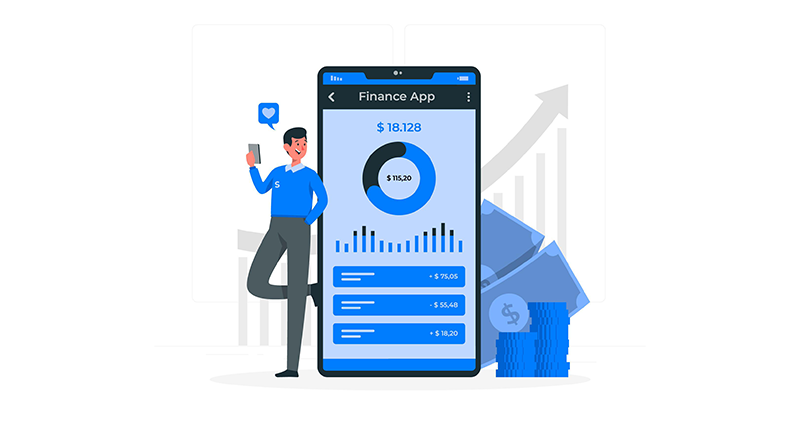
A finance app is a digital tool designed to help individuals and businesses manage their money efficiently. These apps simplify financial tasks such as budgeting, expense tracking, banking, investing, and digital payments. By integrating advanced technologies like artificial intelligence, blockchain, and automation, finance apps provide users with secure, real-time access to their financial information.
With the increasing demand for digital financial solutions, finance app development has become a key driver of innovation in the financial sector. Whether it’s managing personal expenses, conducting seamless transactions, or optimizing business finances, finance apps are transforming the way people interact with money.
2. Why Finance App Development is Crucial in 2025?

Finance apps are becoming more popular because they make managing money easier and more efficient. Whether it’s tracking expenses, setting up savings goals, or paying bills on time, these apps help users stay in control of their finances.
2.1 Track Spending with Ease
Instead of manually writing down expenses or checking bank statements, a finance app automatically tracks spending. Users get alerts about their purchases and can see where their money goes in real time. This helps them cut unnecessary costs and save more.
2.2 Get Clear Financial Reports
Finance apps organize expenses into categories like food, shopping, or rent. They also create simple charts and reports, so users can quickly understand their spending habits. With this information, they can adjust their budget and make better financial decisions.
2.3 Manage Multiple Bank Accounts in One Place
Many people have different bank accounts and cards. Instead of logging into different apps, a finance app links everything in one place. Users can check their balance, track transactions, and get instant notifications about their spending.
2.4 Save Money Smarter
Want to save for a big purchase or emergency fund? Finance apps help set savings goals and track progress. They also suggest smart budgeting tips to make saving easier.
2.5 Never Miss a Payment
Late payments can lead to extra fees and hurt credit scores. Finance apps send reminders for upcoming bills, ensuring users pay on time and avoid penalties.
3. Challenges in Developing a Financial Application
The rise of FinTech has created many opportunities, but it also comes with significant challenges for businesses and developers. Here are some key factors to consider when building a financial application:
3.1. Data Security and Compliance
Financial apps handle large amounts of sensitive user data, from personal details to transaction history. Ensuring data security and complying with regulations such as GDPR and PCI DSS is crucial. Businesses should:
- Encrypt data and use security protocols like TLS/SSL to prevent unauthorized access.
- Meet PCI DSS standards to protect customers’ payment information.
- Comply with regional data protection laws like GDPR in Europe or local financial security regulations.
Even a small security breach can lead to cyberattacks or loss of customer trust, which can severely impact a business.
3.2. High Competition in the FinTech Market
The FinTech market is highly competitive, with both innovative startups and established financial institutions fighting for users. To stand out, financial apps need:
- Great user experience: Simple, intuitive design with smooth navigation across devices.
- Cutting-edge technology: Using AI for financial advice or blockchain for secure transactions.
- Comprehensive financial services: Offering payments, investments, loans, or insurance in one platform.
Without continuous innovation, an app can quickly become outdated and lose its user base to better alternatives.
3.3. Development and Maintenance Costs
Building a financial app requires significant investment, not just during development but also for ongoing maintenance. Major costs include:
- Development costs: UI/UX design, coding, testing, and payment system integration.
- Maintenance costs: Security updates, bug fixes, and feature improvements.
- Compliance costs: Keeping up with changing financial regulations.
Companies must have a clear financial strategy to sustain long-term growth without exhausting their resources.
4. Popular Types of Finance Apps in 2025

Finance apps have transformed the way people manage money, save, invest, and make transactions. Whether you’re tracking expenses, investing in stocks, or sending money to a friend, there’s an app for that. Below are the most common types of finance apps in 2025 and how they benefit users.
4.1 Personal Finance Apps
Managing money can be overwhelming, but personal finance apps make it easier by tracking expenses, categorizing spending, and setting budgets. These apps give users a clear view of where their money goes, helping them cut unnecessary costs and save more.
Key Features:
- Automatic expense tracking
- Budget planning & financial goal setting
- Smart insights on spending habits
Examples: Mint, YNAB (You Need a Budget), PocketGuard
4.2 Mobile Banking Apps
Instead of visiting a bank branch, users can check balances, transfer money, and pay bills directly from their smartphones. Most banks now offer secure mobile apps that eliminate the need for physical visits.
Key Features:
- Instant fund transfers
- Bill payments & direct deposits
- Security features like fingerprint authentication
Examples: Chase Mobile, Bank of America, Revolut
4.3. Investment & Stock Trading Apps
Investing used to require financial advisors and complex platforms. Now, investment apps let users buy and sell stocks, ETFs, and cryptocurrencies with just a few taps. Some even offer automated investing based on personal preferences.
Key Features:
- Real-time stock market tracking
- Commission-free stock & ETF trading
- AI-driven investment suggestions
Examples: Robinhood, eToro, Webull
4.4 Payment & Money Transfer Apps
Gone are the days of withdrawing cash or writing checks. Money transfer apps allow users to send and receive money instantly, whether it’s splitting a bill at dinner or paying a freelancer. Some apps also support international transactions with low fees.
Key Features:
- Peer-to-peer (P2P) transfers
- QR code payments
- International money transfers
Examples: PayPal, Venmo, Cash App
4.5 Cryptocurrency & Blockchain Apps
With the rise of cryptocurrencies like Bitcoin and Ethereum, many users need apps to buy, sell, and store digital assets securely. Some apps also provide real-time price tracking and crypto investment portfolios.
Key Features:
- Secure digital wallets
- Crypto price alerts & market analysis
- NFT (Non-Fungible Token) management
Examples: Coinbase, Binance, Trust Wallet
4.6 Business Finance & Accounting Apps
Small businesses and freelancers rely on finance apps for invoicing, accounting, and expense tracking. These tools automate financial tasks and help businesses stay organized.
Key Features:
- Automated invoicing & billing
- Expense tracking & tax calculations
- Payroll management
Examples: QuickBooks, FreshBooks, Wave
4.7 Loan & Credit Score Apps
Managing credit is crucial for long-term financial stability. Loan and credit score apps help users track credit scores, apply for loans, and manage debts effectively.
Key Features:
- Free credit score monitoring
- Loan comparison & approval tracking
- Debt repayment reminders
Examples: Credit Karma, Experian, LendingTree
5. Essential Features of Finance App Development in 2025
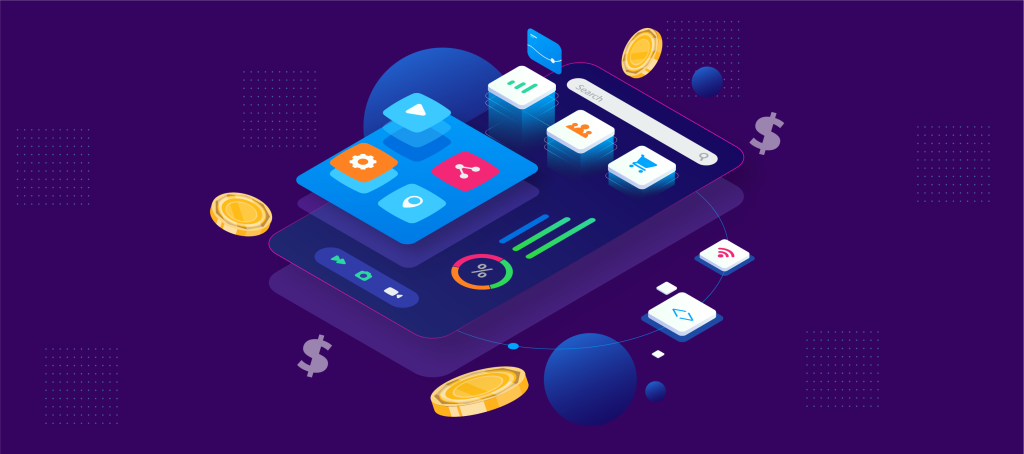
Financial apps have become an integral part of modern life, helping users manage expenses, track transactions, make quick payments, and even invest. To build a successful financial app in 2025, developers must ensure it includes the following essential features.
5.1 Secure Login and Data Protection
Security is the top priority for financial apps, as they deal with sensitive personal and financial information. A robust security system prevents data breaches and unauthorized access.
Key security features:
- Multi-factor authentication (MFA): Combines passwords, OTPs, and biometric verification to enhance security.
- Biometric login: Uses fingerprint or facial recognition for faster and more secure access.
- Advanced data encryption: Protects user information from cyber threats and hacking attempts.
5.2 Real-Time Transaction Management
Users expect to track their transactions instantly and gain full control over their finances. A financial app should provide real-time updates to keep users informed.
Key features:
- Instant transaction updates whenever money is sent, received, or spent.
- Automated bill payments to avoid late fees and missed deadlines.
- Detailed transaction history with smart filters for easy search and review.
5.3 Budgeting and Expense Management
A great financial app not only processes transactions but also helps users plan their finances wisely.
Key features:
- Expense categorization: Automatically sorts transactions into categories such as food, shopping, and travel.
- AI-driven spending insights: Provides personalized recommendations to improve financial habits.
- Recurring payment reminders: Alerts users about upcoming bills and scheduled payments.
5.4. Integration with Multiple Bank Accounts & Cards
Many users manage multiple bank accounts, credit cards, and digital wallets. A financial app should consolidate all financial information into one dashboard.
Key features:
- Multi-account integration for a unified financial overview.
- Automated financial data synchronization across all linked accounts.
- Transaction tracking from multiple sources without requiring separate logins.
5.5 Smart Bill Payment Reminders
Missing a bill payment can result in late fees or credit score impacts. A financial app should help users stay on top of their payments.
Key features:
- Timely payment reminders via push notifications.
- Auto-debit options for hassle-free bill payments.
- Debt and installment management tools to keep track of outstanding balances.
5.6 Fast Money Transfers & P2P Payments
Users expect seamless money transfers between bank accounts and individuals. The app should support multiple payment options for convenience.
Key features:
- Instant interbank transfers with minimal or no fees.
- QR code and phone number payments for easy transactions.
- Secure transaction authentication via OTP and PIN verification.
5.7 Investment & Cryptocurrency Management
Modern financial apps should extend beyond payments and budgeting, offering investment options for users interested in wealth growth.
Key features:
- Live stock and cryptocurrency price tracking.
- AI-powered portfolio recommendations.
- Built-in cryptocurrency wallet and trading capabilities.
5.8 AI Chatbot & Virtual Assistant
A smart financial app should include an AI-powered chatbot or virtual assistant to provide quick and automated support.
Key features:
- Instant responses to inquiries about account balances and transactions.
- In-app financial guidance and spending tips.
- 24/7 customer support without the need for live agents.
6. Finance App Development Process: A Step-by-step
Developing a financial application is more than just building software—it requires ensuring security, a seamless user experience, and compliance with strict financial regulations. Below are the essential steps in the financial app development process:
6.1 Research and Requirement Analysis
The first step is to identify the target users and the specific problem the app aims to solve. The app could be a digital banking platform, an expense tracker, an investment platform, or an e-wallet. Market research, competitor analysis, and user needs assessment help define core features such as:
- Personal account management
- Payments and transactions
- Financial planning
- Investment and stock trading
Clearly defining goals from the beginning helps set the right development direction.
6.2 UI/UX Design
A financial app must have a simple, clear design to ensure users can navigate smoothly, especially when handling money transactions. This phase includes:
- Wireframing – Sketching the app layout
- Prototyping – Simulating app interactions
- User experience optimization – Enhancing speed and usability
For example, an e-wallet app should have a “Quick Transfer” button on the home screen to allow users to make transactions effortlessly.
6.3 Choosing the Right Technology Stack
The technology stack significantly impacts app performance and security. Popular technologies include:
- Programming languages: Swift/Kotlin (native apps) or React Native/Flutter (cross-platform apps)
- Backend: Node.js, Python, or Java for data processing
- Database: PostgreSQL, MongoDB, or Firebase
- API integration: Connecting with banks, e-wallets, or payment systems like Stripe and PayPal
Selecting the right technology from the start ensures smooth operation and scalability.
6.4 Backend Development and API Integration
The backend serves as the app’s “brain” handling financial transactions, data processing, and security. Key functionalities include:
- Fast and secure transaction processing
- Data encryption to protect user information
- Integration with banking and payment APIs
For instance, if the app supports bank transfers, it must integrate with the bank’s API to verify transactions and enable real-time money transfers.
6.5 Security and Regulatory Compliance
Financial apps must meet strict security standards to protect user data from cyber threats. Essential security measures include:
- End-to-end encryption – Ensures financial data remains confidential during transmission
- Two-factor authentication (2FA) – Adds an extra layer of security for user accounts
- Regulatory compliance – Adhering to standards such as PCI DSS (payment security), GDPR (data privacy), and ISO 27001 (information security management)
For example, when a user logs in from an unfamiliar device, the app can request OTP verification via email or SMS to enhance security.
6.6 App Testing
Before launch, the app must undergo rigorous testing to ensure stability, security, and bug-free performance. Testing includes:
- Functional testing – Verifying that features work as expected
- Security testing – Simulating cyberattacks to identify vulnerabilities
- Performance testing – Ensuring smooth operation under high traffic loads
For example, if transactions slow down when too many users access the app simultaneously, developers need to optimize system performance.
6.7 Deployment and Launch
Once testing is complete, the app is deployed on platforms such as the App Store (iOS) and Google Play (Android). This process involves:
- Creating a developer account on App Store/Google Play
- Ensuring compliance with platform guidelines
- Preparing user guides and documentation
Monitoring app performance post-launch is crucial for detecting and fixing potential issues.
6.8 Maintenance and Updates
After launch, regular maintenance and updates are essential to keep the app running smoothly and enhance the user experience. Maintenance tasks include:
- Bug fixes – Resolving issues that arise during use
- Feature updates – Adding new functionalities based on user feedback
- Security enhancements – Updating security measures to counter emerging threats
For instance, if users report that transaction verification takes too long, developers can refine the process to improve efficiency.
By following these steps, financial app developers can create a secure, user-friendly, and regulatory-compliant application that meets market demands.
7. How Much Does It Cost to Develop a Fintech Mobile App?
The cost of developing a fintech mobile app depends on various factors, including its complexity, features, platform (iOS, Android, or web), development team location, and timeline.
On average, fintech app development costs range from $30,000 to $500,000+:
- Basic apps (e.g., budget trackers, simple expense managers): $30,000 – $80,000
- Moderate complexity apps (e.g., digital wallets, peer-to-peer payments, stock trading platforms): $80,000 – $150,000
- Advanced apps (e.g., banking apps, cryptocurrency exchanges, lending platforms): $150,000 – $500,000+
Beyond the initial development, businesses should also plan for ongoing maintenance, security updates, and third-party API integrations, which can add 15-20% of the annual development cost.
For an accurate estimate tailored to your specific fintech app vision, consulting an experienced app development agency is the best approach.
8. Why Choose ONEXT DIGITAL for Fintech App Development?
The fintech industry is growing rapidly, offering businesses new opportunities in digital payments, banking, investment, and financial management.
However, developing a successful fintech app requires a reliable technology partner with expertise in security, financial regulations, and user experience.
ONEXT DIGITAL is a trusted fintech app development company, delivering secure, flexible, and cost-effective solutions for businesses. Here’s why you should choose us to turn your fintech ideas into reality.
8.1 Extensive Experience in Fintech Development
We have years of experience building various fintech applications, including:
- E-wallets & digital payments (similar to MoMo, ZaloPay, VNPay)
- Payment gateways & transaction processing (integrating Stripe, PayPal, VietQR)
- Digital banking apps (money transfers, credit loans, savings)
- Stock trading & cryptocurrency platforms
- Personal & business financial management apps
We understand the specific needs of the fintech market in Vietnam and globally, ensuring your app is fully compliant with regulations and delivers a seamless user experience.
8.2 High-Level Security & Compliance
Security is the top priority for fintech applications. ONEXT DIGITAL integrates advanced security measures to protect user data and transactions:
- End-to-end encryption (AES-256, TLS 1.3) to prevent data breaches.
- Multi-factor authentication (MFA) using fingerprint, Face ID, and OTP.
- AI-powered fraud detection to identify suspicious activities.
- Compliance with PCI DSS, GDPR, and Vietnam’s payment regulations.
With these measures, your app remains safe from cyber threats and financial fraud.
8.3 Scalable & Flexible Fintech Solutions
Every business has unique needs, so we customize fintech apps with scalability in mind:
- Real-time transaction processing for faster payments.
- Cross-platform compatibility (mobile, web, API integration) to expand your reach.
- Integration of AI, blockchain, and big data for better performance.
Your fintech app won’t just meet today’s demands—it will also be ready for future growth.
8.4 Cost-Effective Development with Global Standards
With a development team based in Vietnam, ONEXT DIGITAL offers high-quality fintech solutions at a lower cost. Developing a fintech app in Vietnam is 40-60% cheaper than in the US or Europe while maintaining international security and performance standards.
We help you reduce costs without compromising quality, ensuring you get the best return on investment.
8.5 Seamless Integration with Payment & Banking Systems
A fintech app needs to connect smoothly with payment systems, banks, and financial services. We provide:
- Integration with top payment gateways (MoMo, ZaloPay, VietQR, Stripe, PayPal, Visa/MasterCard).
- Banking API integration for fund transfers, account management, and statements.
- KYC/AML verification to ensure regulatory compliance.
With these integrations, your app will offer a seamless experience for users and businesses.
8.6 Full Support from Development to Maintenance
ONEXT DIGITAL doesn’t just develop apps—we support you throughout the entire process:
- Consultation & UI/UX design for an intuitive user experience.
- Development & testing to ensure smooth performance.
- Deployment & performance optimization for stability.
- Maintenance & feature updates to keep your app competitive.
We are committed to long-term partnerships, helping businesses grow and sustain their fintech solutions.
9. Conclusion
Developing a finance app requires a blend of cutting-edge technology, seamless user experience, and strict security compliance. Choosing the right financial app features will help your application stand out and meet user demands. If you’re looking for fintech app development solutions, ensure you have a well-structured plan and the right development partner.
We hope this guide has given you valuable insights into how to build a finance app, helping you kickstart your journey toward a successful financial application!