
 Services
 Solutions
 Main platform
 Technology
 White Label
  Offshore
 Hire developers




Ecommerce Web Design Brisbane is becoming increasingly important as the city rapidly grows into one of Australia’s most promising ecommerce markets. Driven by strong population growth, a younger digital-first demographic, and expanding local business activity, Brisbane offers significant opportunities for brands that can deliver fast, mobile-friendly online shopping experiences.
Greater Brisbane’s population reached approximately 2.83 million in 2025, while South East Queensland now exceeds 4 million residents and continues growing faster than the national average. The region’s economy generates around $225 billion annually and supports more than 146,000 registered businesses, creating a highly competitive yet high-potential environment for ecommerce web design Brisbane businesses to scale effectively.
At the same time, Brisbane consumers are becoming more selective. Queensland shoppers increasingly expect seamless mobile experiences, fast-loading websites, flexible payment options, and strong local brand credibility. With 82% of Australian households shopping online and younger consumers leading weekly ecommerce spending, businesses that fail to invest in high-quality ecommerce web design in Brisbane risk losing customers to more optimized competitors.
Brisbane’s outdoor lifestyle and strong community culture also shape purchasing behavior. Products related to sport, leisure, lifestyle, and home living perform particularly well when supported by localized branding, authentic social proof, and visually engaging ecommerce web design. In short, Brisbane shoppers are mobile-first, convenience-driven, and highly responsive to brands that combine strong UX with local relevance.
Competitive Landscape for Ecommerce Businesses in Brisbane
Brisbane retailers face competition from national giants (Amazon, eBay, national chains) and other state capitals’ online markets.
However, local businesses enjoy advantages: Brisbane’s lower operating costs (vs. Sydney/Melbourne) often allow competitive pricing and healthy margins. Advertising costs in Brisbane tend to be lower due to less market saturation, improving ROI for targeted campaigns. Moreover, Brisbane’s strong community ethos means local shoppers want to buy from local stores if they can find them online.
A well-designed ecommerce site that emphasizes “Brisbane-made” or “Supporting QLD” can tap into this loyalty.
- Regional Advantages: South East Queensland’s rapid growth, with a projected population of around 4.5 million by 2032, is being driven by strong interstate migration and major infrastructure investment such as the Cross River Rail project ahead of the Brisbane 2032 Olympics. This continued expansion is significantly broadening the consumer base and increasing long-term demand across the region.
- Challenges: Competing with well-funded national retailers means Brisbane ecommerce businesses must prioritize user experience to stay competitive. Websites that rely on generic templates or suffer from slow performance often lose customers to competitors offering faster, more seamless shopping experiences.
Conversion-Focused Ecommerce Web Design in Brisbane
Successful Brisbane ecommerce websites start with a strong UX strategy. Design choices must be data-driven and user-centric, balancing local flavor with proven conversion tactics. Key elements include:
1. Audience Research & Navigation:
Understand Brisbane shoppers’ motivations and behaviors. Structure clear category hierarchies and intuitive navigation (faceted filters, smart search, curated collections) so visitors can find products easily. Use concise, descriptive menus and breadcrumbs.
2. Clear Visual Hierarchy & CTAs:
Every page should have one primary goal. Emphasize a single call-to-action (e.g. “Add to Cart,” “Get Quote”) in bold, contrasting colors. As Americaneagle advises, strategic CTAs and social proof (testimonials, star ratings, trust badges) guide attention and build confidence. For example, place prominent customer reviews and security icons near the CTA to reassure Brisbane buyers.
3. Trust Signals:
Incorporate authentic reviews, local badges (e.g. “Proudly Queensland Owned”), and secure payment icons. Research shows 9 of 10 customers read reviews before purchasing, so highlight local customer feedback prominently.
4. Localized Content:
Use images and copy that reflect Brisbane life – outdoor scenes, city landmarks, warm colour palettes – to connect emotionally. For instance, lifestyle photos of products used along the Brisbane River or at a suburb market can resonate with local shoppers.
5. Mobile-First Philosophy:
Brisbane’s high smartphone adoption and commuters mean mobile shopping is paramount. Designs must be mobile-first: optimize layouts for touch, simplify menus, and ensure quick load times on variable networks.
As conversion experts note, responsive sites and streamlined mobile navigation cut bounce rates. Use technologies like accelerated image formats (WebP), lazy loading, and progressive rendering to keep pages snappy. Integrate mobile-specific features: sticky “Add to Cart” buttons, click-to-call for inquiries, and support for digital wallets (Apple Pay, Google Pay, Afterpay) that local shoppers expect.
- Performance: Compress and properly size images, minify scripts, and leverage Content Delivery Networks so Brisbane customers (both inner-city and regional) experience fast page loads. Studies show 53% of mobile users abandon sites that load slower than 3 seconds.
- Responsive Interaction: Ensure product galleries, videos, and forms work flawlessly on all devices. Test across iOS/Android devices popular in Australia.
6. Product Page Optimization
Product pages are critical conversion points. Each should sell the product through rich details and trust:
- High-Quality Imagery: Include multiple high-res angles and lifestyle images showing products in use (e.g. a Queensland family grilling, a cyclist on a coastal path). This helps Brisbane shoppers visualize the item in their environment. Implement zoom and 360° views for detail.
- Detailed Descriptions: Use clear, benefit-driven copy addressing local concerns (e.g. durability in humid climate, sizing for active wear). List specs and shipping info to avoid surprises. For example, clearly note “Fast Brisbane Metro delivery” or “Free shipping in QLD” to reduce last-minute cart abandonment.
- Social Proof & Urgency: Show customer reviews and rating summaries near the product title. Make stock levels or limited-time offers visible (e.g. “Only 2 left in stock”) to create urgency. Research indicates 9 in 10 buyers read reviews, so feature them where they influence decisions.
- Prominent CTA: Place the “Add to Cart/Buy Now” button above the fold and again as a sticky footer on mobile. Use a color that stands out. Label it with actionable, urgent copy (“Add to Cart”, “Buy Now – Low Stock!”) as suggested by conversion guidelines.
Ecommerce Platform Selection for Brisbane Businesses
Choosing the right ecommerce platform is a key decision that affects how your store performs, scales, and is managed over time. The two most common options are Shopify and WooCommerce (WordPress), each suited to different business needs and levels of technical flexibility.
1. Shopify:
A hosted solution offering reliability and ease of use. Shopify powers millions of stores worldwide and holds ~10.3% of the global ecommerce platform market (making it the 4th-largest platform) and around 56.6% of Australia’s small-business ecommerce sites.
For Brisbane retailers, Shopify’s advantages include ultra-reliable hosting (fast Sydney/Australian servers), built-in PCI compliance, and seamless integration with Australian payment providers and Australia Post. Its app ecosystem covers bookkeeping (Xero), email marketing, and advanced checkout features. With Shopify, Brisbane merchants get a strong out-of-the-box foundation and can scale without managing technical infrastructure.
Read more: Shopify Australia Review: A Practical Look from the User’s Perspective
2. WooCommerce:
A free WordPress plugin offering complete flexibility. It suits Brisbane businesses already on WordPress or those needing deep customization (complex catalogs, unusual checkout flows, or heavy content marketing). WooCommerce accounts for ~20% of global ecommerce platform share, reflecting its popularity.
However, it requires more hands-on management (separate hosting, security patches, backups). It’s best for businesses with technical resources or those partnering with an agency for ongoing support.
3. Strategic Choice:
The decision depends on your needs. Shopify is ideal for businesses prioritizing ease-of-use and predictable costs. WooCommerce fits those who must integrate ecommerce tightly with content or need non-standard functionality. Consider factors like budget, growth projections, technical expertise, and integration needs (e.g. ERP or local payment gateways). Align platform choice with your long-term goals to avoid future migration costs.
Step-by-Step Ecommerce Website Design Process
A structured process is key to delivering consistent and effective results throughout the project.
1. Discovery & Planning:
Begin by researching your Brisbane market, competitors, and target audience. Conduct stakeholder interviews and set measurable goals (conversion rate targets, average order value, etc.). Use these insights to draft site architecture, feature lists, and project timelines. Early planning prevents costly changes later.
2. Visual Design:
With a strategy in place, create high-fidelity designs for key pages (homepage, category pages, product pages, checkout). Ensure designs incorporate Brisbane-relevant branding (colour palettes evoking sunshine and riverbank scenes) and a responsive grid. Review designs with local stakeholders or focus groups if possible. Approve the visual identity before moving to development.
3. Development & Launch:
Develop a custom theme or heavily customize a premium one – avoid generic templates when possible. Code with clean, maintainable standards. Implement conversion features: A/B testing tools, cart recovery emails, product recommendation widgets, and social proof elements. Integrate all necessary services (payment gateways like Stripe/Afterpay, shipping calculators for Aus Post, analytics tracking).
Before launch, rigorously test across browsers/devices, ensure GDPR/Australian privacy compliance, and set up SEO basics (meta tags, redirects). Finally, deploy and monitor the site in its new environment.
Ecommerce Technical Excellence: Performance, SEO & Security
1. Performance Optimization
Speed and reliability directly impact sales. Optimize every aspect of the site: compress images, leverage browser caching, minify CSS/JS, and use lazy loading to defer offscreen content. Employ a CDN to serve assets quickly across Australia and internationally.
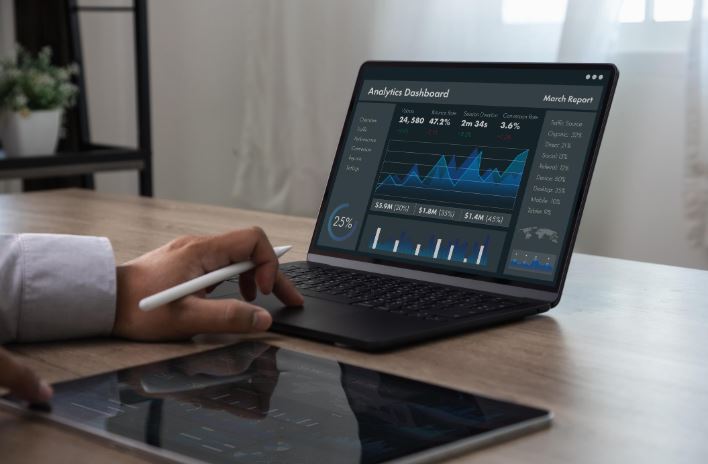
For example, use WebP images and a tool like TinyPNG – even Google reports that 53% of mobile users abandon pages taking longer than 3 seconds. Fast loading times improve Google rankings and keep Brisbane customers engaged.
2. SEO Foundations
Building SEO into the site from day one ensures long-term visibility. Use clean, descriptive URLs (e.g. /products/custom-shirt-brisbane), proper heading structure (<h1> for titles, <h2> for sections), and rich schema markup for products, reviews, and breadcrumbs. This lets Google display enhanced listings (star ratings, price) in search results. Ensure the site is fully mobile-responsive (Google favors mobile-friendly sites) and secured with HTTPS – not only encrypting user data but also giving a slight ranking boost.
Enable a blog or resources section so you can publish Brisbane-relevant content (e.g. guides to local shipping options or industry trends), which further drives organic traffic.
3. Security & Data Protection
Protect customer trust with best-practice security. Install an SSL certificate to encrypt all data, especially during checkout. Use strong passwords, two-factor authentication for admin access, and keep all platform/plugins up to date.
Platforms like Shopify handle PCI compliance and often include built-in fraud analysis for payments. Brisbane stores should also display clear privacy policies and cookie notices in line with Australian regulations. Regularly back up data and monitor for malware or unusual activity.
How to Improve Ecommerce Conversion Rates After Launch
Launching the site is only the starting point. Continuous optimization is what drives long-term growth.
1. Conversion Rate Optimization (CRO):
Regularly analyze user behavior with tools like Google Analytics, heatmaps, and session recordings. Identify drop-off points (e.g. a confusing product page or cart step). Perform A/B tests on headlines, button colors, form fields, or checkout steps to see what boosts conversions.
For example, test alternative product page layouts or different promotional banners aimed at Brisbane customers (like “Free Brisbane delivery today” vs. “10% off for local shoppers”) and iterate based on data. Continuously refining the site based on real user data will compound gains over time.
2. Performance Monitoring:
Keep an eye on site speed and uptime. Use Google PageSpeed Insights, GTmetrix or Pingdom to check load times, and address any regressions. Monitor server health and error logs to catch issues early.
Track SEO rankings for key Queensland-centric keywords (e.g. “Brisbane [your product] online”) and adjust content as needed. Stay aware of competitors: if a rival launches a new feature (like a new payment option or chat service), consider whether you should too.
3. Customer Feedback:
Engage with Brisbane customers post-purchase. Solicit reviews, watch for support questions, and use that feedback to improve UI/UX. Loyal local customers can provide insights into design tweaks or new features that resonate (for instance, adding a loyalty program or instalment payment option common in Australia).
Common Ecommerce Web Design Mistakes Brisbane Businesses Make
1. Generic Templates:
Launching with an out-of-the-box theme often means your site looks like many others. This undermines brand trust. Templates also come with unused code that slows down the site. Instead, invest in a custom design or deeply customize a theme so your store stands out in the Brisbane market.
2. Neglecting Mobile:
Do not assume desktop-first design is enough. Many Brisbane shoppers use phones – for example, browsing on the city train or at a café. A non-responsive site with tiny text or hard-to-click buttons will drive mobile users away. Similarly, unoptimized mobile images and scripts kill speed (remember, 53% bounce over 3s). Always test on multiple devices and network speeds.
3. Complex Checkout:
Every extra step or confusing field costs sales. For Brisbane’s convenience-driven shoppers, require only essential information at checkout. Avoid forcing account creation – allow guest checkout or social logins. Show total costs (including shipping) early. Offer popular local payment methods (Afterpay, POLi, etc.) to reduce friction. Secure badges and clear progress indicators are a must so customers feel safe completing the purchase. Given that about 70% of carts are abandoned, streamlining checkout is the most direct way to improve revenue from existing traffic.
How to Choose the Right Ecommerce Web Design Partner in Brisbane
Selecting a capable ecommerce web design Brisbane partner is just as important as the design itself. The right agency or designer directly impacts your store’s performance, conversion rate, and long-term scalability. When evaluating potential partners, consider the following key factors:
- Ecommerce Expertise: Specialists over general web designers. They’ll understand conversion tactics, UX research, and the nuances of shopping behavior.
- Platform Proficiency: Ensure they have proven experience with your chosen platform (Shopify or WooCommerce). Ask for case studies of Brisbane or Queensland clients, and examine their live sites for creativity and performance.
- Local Insight: A partner who knows the Brisbane market can suggest on-target features (e.g. integration with local delivery services, QLD-style design elements). Check for testimonials from other local businesses.
- Credentials & Process: While certifications (e.g. CIW, Google) can indicate technical knowledge, equally important is a structured process (research, prototyping, testing). Transparency on timelines and costs is key.
Ecommerce Web Design Costs and Investment in Brisbane
Professional ecommerce design should be viewed as a long-term investment rather than a one-off cost. For most businesses, a basic Shopify store built from a premium theme with light customization typically starts from around $6,000 to $10,000, which is suitable for small product ranges.
More advanced builds with custom functionality such as complex product filtering, third-party integrations, or tailored user experiences generally range between $15,000 to $30,000. Larger, enterprise-level projects can exceed $40,000 depending on scope and requirements.
It’s also important to account for ongoing costs, including platform subscriptions, hosting, premium apps, and regular maintenance. While lower-cost template solutions under $5,000 may seem attractive initially, they often limit scalability and performance. In many cases, investing more upfront leads to stronger user experience, higher conversion rates, and better long-term ROI.
Final Thoughts
Brisbane’s booming economy and digitally engaged population make it an exciting market for ecommerce. However, success requires more than generic templates. High-converting Brisbane online stores blend strategic UX, mobile-first design, and technical excellence with a clear local focus. From fast-loading pages and seamless checkout to Queensland-friendly branding and trust signals, every detail counts.
By choosing the right platform (Shopify or WooCommerce) and working with experienced designers who understand Brisbane’s unique consumer base, your online store can turn the city’s energy into measurable revenue. For Queensland businesses ready to capitalize on this opportunity, professional ecommerce web design is the catalyst to lasting growth.
Ready to build a high-converting ecommerce store that captures Brisbane’s market? Book a consultation today to start transforming your online presence into a revenue-driving machine.
FAQs
Is Brisbane a good market for ecommerce businesses?
Yes. Brisbane is a strong and growing ecommerce market driven by population growth, a younger digital-savvy audience, and increasing online shopping habits. Competition is lower than in Sydney or Melbourne, which creates more opportunities for new and growing brands.
What do Brisbane online shoppers care about most?
They mainly care about three things:
- Fast, easy-to-use mobile websites
- Convenient payment options (Afterpay, Apple Pay, etc.)
- Trust signals like reviews and reliable local brands
If these are missing, customers are likely to leave.
What products sell well in Brisbane?
Products that fit an outdoor and active lifestyle perform best, such as:
- Fitness and sports products
- Beach and outdoor lifestyle items
- Casual fashion
- Home, BBQ, and lifestyle goods
This is strongly influenced by Queensland’s climate and culture.
Why is mobile-first design so important in Brisbane ecommerce?
Because most shoppers use smartphones to browse and buy. If a website is slow or hard to use on mobile, users will leave quickly. Even small issues in speed or checkout can directly reduce sales.
Should I choose Shopify or WooCommerce for a Brisbane ecommerce store?
- Shopify: easier to use, faster to launch, and more stable for most businesses
- WooCommerce: more flexible, but requires more technical setup and maintenance
For most small to mid-sized businesses, Shopify is usually the better choice.
What are the biggest mistakes Brisbane ecommerce businesses make?
The most common mistakes are:
- Using generic website templates that don’t stand out
- Poor mobile optimization
- Complicated checkout processes
These issues often lead to lost sales and high cart abandonment rates.