
 Services
 Solutions
 Main platform
 Technology
 White Label
  Offshore
 Hire developers



Have you ever wondered what makes software development teams successful and efficient?
What are the key software development roles that contribute to the smooth execution of a project, ensuring it’s completed on time and meets the highest standards of quality?
Can one developer handle all tasks, or is collaboration between different software development roles crucial?
In this article, we’ll dive into the 11 most important software development roles, from software engineers and testers to UX/UI designers and project managers. Each role plays a vital part in driving the success of the team, and together they form a cohesive unit that delivers exceptional results. Let’s explore how these software development roles work together to ensure the success of every project.
What Is a Software Development Team?
A software development team is a group of skilled professionals who work together to design, develop, and maintain software applications. This team is made up of individuals with diverse talents and expertise, including programmers, designers, analysts, and testers. Each team member brings their unique skills to the table, and through collaboration, they contribute to every stage of the software development process.

The team’s primary goal is to create high-quality software that meets the needs of users and stakeholders. To achieve this, they must work in unison, combining their knowledge and experience to solve complex problems, ensure the software functions as intended, and continuously improve its performance and security. Successful software development teams rely on effective communication, coordination, and a shared commitment to delivering exceptional products.
Why Are Effective Software Development Roles Important for Teams?
Effective software development teams are crucial for several reasons, as they directly impact the success of a project, the quality of the software produced, and the overall efficiency of the development process. Here are some key reasons why effective teams are essential:
1. Quality of the Product

A well-coordinated and skilled development team ensures that the software meets high standards of quality. From the initial design phase to deployment, each member brings their expertise to ensure that the software is functional, user-friendly, and free of bugs. An effective team can spot issues early and address them, reducing the risk of defects that could affect the end user’s experience.
2. Faster Time-to-Market
When a software development team works efficiently together, tasks are completed more quickly, leading to faster development cycles. This is critical in today’s competitive market, where getting products to market faster can provide a significant advantage. An effective team can prioritize tasks, streamline processes, and collaborate efficiently to speed up development without compromising quality.
3. Problem Solving and Innovation

Complex software development projects often face unique challenges. An effective team brings together diverse perspectives and problem-solving approaches, enabling them to tackle issues creatively and find innovative solutions. Collaboration within the team fosters new ideas and ways to overcome obstacles, which can lead to better and more efficient software solutions.
4. Adaptability to Change
Software development is rarely a linear process, and requirements can change throughout the project. An effective team is flexible and responsive to these changes, adapting their strategies and workflow to accommodate new needs or unexpected challenges. This adaptability is key to staying on track and ensuring that the project remains aligned with user needs and business goals.
5. Collaboration and Communication
Strong communication is at the heart of any successful team. Effective software development teams foster a culture of open communication, ensuring that all members are aligned with the project goals, timelines, and expectations. Good communication helps prevent misunderstandings, reduces errors, and ensures that everyone is on the same page, which leads to smoother workflows and more successful outcomes.
6. Continuous Improvement
A high-performing software development team consistently evaluates its processes and looks for ways to improve. Through regular feedback, retrospectives, and iterative development practices, effective teams can refine their methods, learn from past experiences, and continually enhance their performance. This commitment to improvement leads to better software over time.
7. Risk Mitigation
With an experienced and effective team, the likelihood of encountering major project risks—such as delays, budget overruns, or security vulnerabilities—is reduced. By identifying potential risks early, effective teams can develop mitigation strategies and make adjustments before problems escalate, ensuring smoother project execution and more successful outcomes.
8. Customer Satisfaction

Ultimately, the success of any software project is measured by how well it meets the needs and expectations of the users. An effective development team understands the importance of user feedback and works collaboratively to deliver software that satisfies customer requirements. The ability to produce reliable, functional, and user-friendly software directly contributes to customer satisfaction and loyalty.
Key Software Development Roles That Drive Team Success
1. Product Manager (PM)
The Product Manager (PM) is the leader in the product development process, overseeing everything from the initial idea to the product’s official launch. The PM is responsible for creating the product strategy, tracking key performance indicators (KPIs), and ensuring the product aligns with the company’s business goals.
The PM needs to understand the market and competitors to make informed decisions on features, pricing, and product strategies. Their role involves not only managing the development process but also connecting different departments such as development, marketing, sales, and stakeholders to ensure smooth coordination.
Example:
- A PM at a tech company might decide to add a “dark mode” feature to an app after researching competitors who have this feature and learning that users love it. The PM will work with the development team to implement this feature and coordinate with the marketing team to promote the update, attracting more users.
2. Product Owner
The Product Owner is responsible for ensuring the product delivers the most value to its users. They need to have a deep understanding of customer needs and create a clear vision for the product. The Product Owner works on developing the product roadmap, managing the product backlog, and communicating with stakeholders to ensure the product meets user expectations.
Their role is to prioritize features and decisions based on what will bring the most value to the end users. They play a key role in making sure the product delivers the right features at the right time.
Example:
- A Product Owner working on a mobile app might decide to prioritize adding a new payment feature that users have requested. After gathering feedback and understanding user needs, they will work with the development team to make it happen while ensuring it aligns with the product’s overall vision and goals.
3. Business Analyst (BA)
The Business Analyst acts as a bridge between the development team and the market, helping ensure that the product meets user needs and business goals. They gather and analyze user requirements, assess market trends, and provide recommendations to improve the product.
The BA’s job is to evaluate whether the product is solving the right problems for users and whether it fits market demands. They use their analytical skills to provide strategic solutions that guide the product in the right direction, ensuring it delivers the best results.
Example:
- A Business Analyst working on a web-based tool might gather feedback from users about how they are using the platform. After analyzing the data, they may suggest adding a new feature to improve user experience or simplifying the interface to better meet customer needs. They work with the development team to ensure the changes align with user feedback and business objectives.
4. Engineering Manager
The Engineering Manager leads the technical team, ensuring the development process runs smoothly and the product is built to meet high-quality standards. They are responsible for creating an efficient and reliable working environment, helping team members grow professionally, and ensuring the project stays on track.
The Engineering Manager also plays a key role in selecting the best technical solutions, troubleshooting any issues that arise, and ensuring the product is developed according to the planned timeline and requirements.
Example:
- An Engineering Manager working on a mobile app project might oversee the development process, ensuring that all features are built using the latest technologies. They also guide the team in solving complex coding issues, help resolve conflicts, and ensure that developers have the resources they need to meet deadlines.
5. Software Architect
The Software Architect is responsible for designing the overall structure of the software system, ensuring it meets both product requirements and technical standards. They make key decisions about the technologies, tools, and development methods used in the project.
Beyond just designing the system, the Software Architect also focuses on its long-term performance and scalability, ensuring that the product can grow smoothly and adapt to future needs.
Example:
- In a web application project, a Software Architect would decide on the programming languages, frameworks, and cloud infrastructure to be used. They also ensure the system is scalable, meaning it can handle more users or data as the product grows.
6. Software Developers
Software Developers are responsible for writing the code that turns ideas into working features of the software. They use programming languages and development tools to create functional products that meet the project’s specifications.
Developers can be at different experience levels, ranging from Junior (entry-level) to Senior (highly experienced). Regardless of their level, they must work closely with other team members, such as designers and product managers, to ensure the product is developed in a smooth, consistent, and technically sound way.
Example:
- In a mobile app development project, a Junior Developer might focus on coding basic app features, while a Senior Developer would be responsible for solving complex technical issues and ensuring the app performs well across all devices.
7. UX/UI Designers
UX/UI Designers play a crucial role in ensuring the product is user-friendly and visually appealing. They focus on different aspects of the user interface to create an optimal experience.
- UX Designers focus on the overall user experience, ensuring the product is easy to navigate, intuitive, and provides a seamless interaction for the users.
- UI Designers focus on the visual design of the product, including choosing the right colors, fonts, images, and layout to make the interface not only attractive but also functional.
Both roles require a mix of creativity and technical knowledge to create a product that is visually appealing and easy to use.
Example:
- In a website redesign, the UX Designer would ensure the site is easy to navigate, while the UI Designer would choose the color scheme and design elements that align with the brand. Together, they create a cohesive and satisfying experience for users.
8. QA Engineer
The QA Engineer (Quality Assurance Engineer) is responsible for testing the software to ensure it functions as intended and is free of bugs. They identify and document issues, conduct tests, and ensure that the product meets quality standards before release.
- Manual Testing: QA Engineers often perform manual testing, interacting with the software to find defects.
- Automation Testing: They may also use automation tools to run tests quickly and consistently across different parts of the software.
Their role is essential in detecting and addressing problems early, ensuring a high-quality product is delivered to users.
Example:
- Before launching a mobile app, the QA Engineer tests all features, from login functionality to in-app purchases, ensuring everything works properly and bug-free. If any issues are found, they are documented and fixed before the final release.
9. Scrum Master
The Scrum Master helps manage the development process using the Agile methodology, ensuring the team follows Scrum principles. They organize daily stand-ups, plan sprints, and assist in removing any obstacles that slow down progress. The Scrum Master is not just a process manager but also a team motivator, fostering better communication and collaboration to meet project goals.
- Daily Stand-ups: The Scrum Master facilitates quick daily meetings where team members discuss progress and challenges.
- Sprint Planning: They help organize and guide sprint planning sessions, ensuring the team understands what needs to be achieved.
- Removing Obstacles: The Scrum Master identifies and helps resolve any issues that could impede the team’s work.
Example:
- During a sprint, the Scrum Master notices a developer is blocked by a technical issue. They work with the team to resolve it quickly, ensuring the team stays on track to meet their sprint goals.
10. Tester
Testers ensure that the software works as intended and is free of defects. They conduct manual or automated tests to find and fix bugs. Testers may also assist in creating test plans, evaluating product features, and providing feedback on product quality. Their role is essential in making sure that the final product functions properly and meets user needs.
- Manual Testing: Testers manually interact with the software to identify any issues that affect usability or functionality.
- Automated Testing: They use automated tools to speed up repetitive testing tasks and increase efficiency.
- Test Plans: Testers collaborate with the development team to create comprehensive test plans that cover all aspects of the software.
Example:
- A tester runs an automated test to verify that all login features work across different browsers. If any issues are found, they report them to the development team for quick resolution before the product is released.
11. Team Lead / Tech Lead
A Team Lead or Tech Lead is responsible for leading the technical aspects of a project and guiding the team in solving complex problems. While both roles involve leadership, they focus on different areas.
- Tech Lead: Focuses on the technical side, ensuring high-quality code, mentoring team members, and resolving technical challenges. The Tech Lead ensures that the team adheres to best practices and makes strategic decisions on technology and development tools.
- Team Lead: Manages the overall project workflow, coordinates with other teams, and keeps the team motivated and focused on achieving goals. The Team Lead often handles task assignments and communication between departments.
Both roles are crucial for the success of a project, combining technical expertise with leadership and coordination skills to ensure smooth project execution.
Example:
- A Tech Lead might review code written by team members to ensure it meets quality standards, while the Team Lead ensures the team stays on schedule and collaborates effectively with other departments to meet project deadlines.
How to Build a High-Performing Software Development Team
Creating a high-performing software development team is essential for the success of any technology-based company. It involves more than just hiring skilled developers; it’s about forming a collaborative, efficient, and motivated team that works together to achieve shared goals. Below are key steps to help you build a high-performing software development team:
1. Define Clear Roles and Responsibilities
It’s important to have well-defined roles within your team. Each member should clearly understand their responsibilities and how their work contributes to the overall project. Common roles include:
- Product Manager
- Software Developers (Front-end, Back-end, Full-stack)
- UX/UI Designers
- Quality Assurance Engineers
- Scrum Master
Clear roles reduce confusion, ensure accountability, and help the team function efficiently.
2. Promote Collaboration and Communication
Strong communication is essential for a successful team. Encourage open dialogue among team members and foster an environment where feedback is shared constructively. Use collaboration tools like Slack, Jira, and Trello to streamline communication and ensure everyone is on the same page.
3. Hire the Right Talent

The success of your team depends on hiring the right people. Look for developers who are not only technically skilled but also team-oriented and good communicators. The best candidates will be adaptable, have problem-solving abilities, and align with your company’s culture and values.
4. Encourage Continuous Learning
The technology landscape is always evolving. To stay competitive, your team should continuously improve their skills. Provide opportunities for learning, such as access to training courses, workshops, and industry conferences. A well-informed team can adapt quickly to new challenges and technologies.
5. Foster a Positive Team Culture
Building a positive, inclusive team culture is crucial for long-term success. Celebrate achievements, encourage teamwork, and ensure that everyone feels valued. A positive atmosphere boosts morale and keeps the team motivated, which leads to better performance.
6. Adopt Agile Methodologies
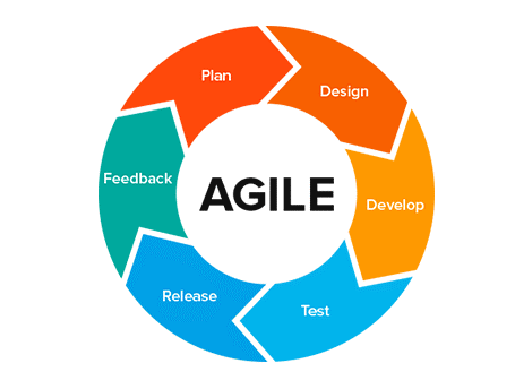
Implementing Agile methodologies, such as Scrum or Kanban, helps the team work in an iterative, flexible manner. Agile promotes constant feedback and adaptability, ensuring the team can respond quickly to changes in project requirements or client needs.
7. Provide the Right Tools and Resources
Equipping your team with the right tools is vital for productivity. Make sure they have access to:
- Version control systems (e.g., Git)
- Project management software (e.g., Jira, Trello)
- Testing tools (e.g., Selenium, Jenkins)
Using the best tools ensures smoother workflows and helps avoid common mistakes, ultimately improving the quality of your product.
8. Set Clear Goals and Expectations
To keep the team focused, establish clear, measurable goals for each project. Everyone should know what is expected of them and the deadlines they need to meet. Clear goals align the team and keep them motivated to achieve success.
9. Encourage Work-Life Balance
A high-performing team is one that is well-rested and avoids burnout. Encourage a healthy work-life balance, allowing your team to take breaks, work flexible hours, and recharge. A balanced team is more productive in the long run.
10. Promote Leadership Within the Team
While it’s essential to have a strong team leader, it’s also important to foster leadership within the team. Encourage team members to take ownership of their work, contribute ideas, and mentor others. This sense of responsibility and empowerment leads to higher motivation and success.
Conclusion
Building a successful software development team requires more than just technical know-how. It’s about assembling the right mix of roles, encouraging collaboration, and aligning your team towards a common goal. By understanding the 11 key roles we’ve discussed, you can better manage your projects and develop exceptional software.
At ONEXT DIGITAL, we specialize in providing dedicated development teams tailored to your project needs. Whether you’re building from scratch or scaling an existing product, our experts are ready to turn your vision into reality. Start creating impactful solutions today with ONEXT DIGITAL!