
 Services
 Solutions
 Main platform
 Technology
 White Label
  Offshore
 Hire developers



Looking to dive into Malaysia’s booming ecommerce scene? Whether you’re a seller hoping to grow your online business or a shopper hunting for the best deals, understanding the top platforms is key.
In this article, we’ll walk you through the 10 best ecommerce websites in Malaysia in 2026, ranked by popularity, features, and user reviews. Along the way, we’ll share practical tips to help you pick the platform that truly fits your needs and makes your online experience smoother and more rewarding. Ever wondered why some sites just make shopping feel effortless while others leave you frustrated?
Ecommerce in Malaysia: Growth and Trends
Malaysia’s ecommerce sector is experiencing remarkable growth and resilience. Official figures show that e‑commerce transaction revenue reached RM1,184.1 billion (~$250 billion) in 2023, with online consumer spending rising to RM571.4 billion, reflecting widespread adoption among both businesses and consumers. In the first nine months of 2025, Malaysia’s ecommerce revenue totaled MYR937.5 billion (~$226.8 billion), highlighting the sector’s continued expansion and its crucial role in the national economy.
This growth is fueled by rising internet and smartphone penetration, improved digital payment infrastructure, and evolving consumer behavior. Today, millions of Malaysians shop online regularly, making the country one of Southeast Asia’s most dynamic ecommerce markets. For both online sellers and buyers, this environment presents significant opportunities and challenges throughout 2026 and beyond.
Top 10 Ecommerce Websites in Malaysia in 2026
Malaysia’s ecommerce industry is one of the fastest-growing in Southeast Asia. In 2025, the sector expanded by 19%, with the total digital economy surpassing $39 billion USD. Online shopping has become an integral part of daily life, with millions of Malaysians visiting ecommerce platforms every month.
Below, we present a detailed look at the top 10 ecommerce websites in Malaysia in 2026, including their key features, growth metrics, and emerging trends. This guide will help you understand the market landscape and make informed decisions for your business or shopping experience.
1. Lazada Malaysia
Lazada continues to dominate the Malaysian ecommerce landscape with over 12 million monthly active users. The platform operates more than 500,000 sellers and offers an extensive catalog spanning electronics, fashion, home & living, and beauty products.
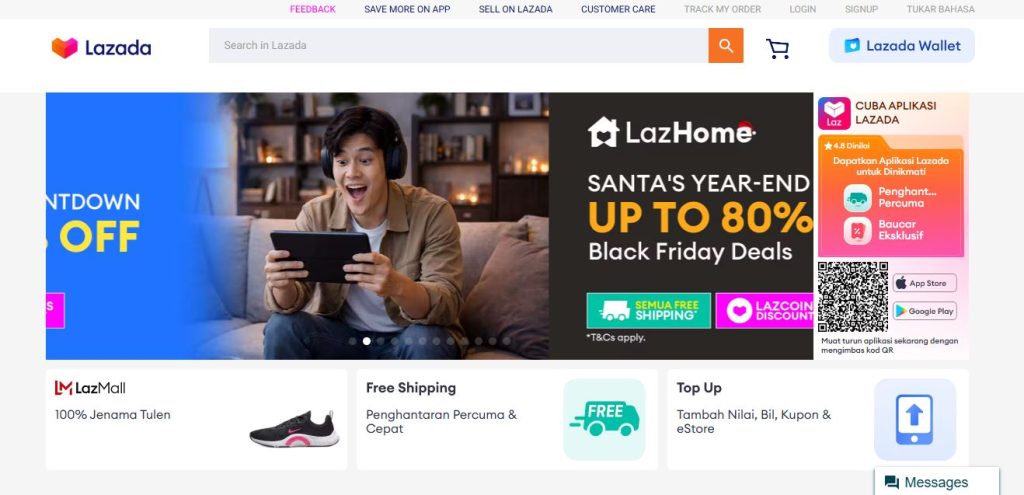
Key Features: Same-day delivery in major cities, LazadaPay digital wallet, weekly flash sales, and seller verification program. Their AI-powered recommendation engine has improved customer satisfaction scores by 25% in 2025.
Growth Metric: 31% year-on-year growth with total GMV reaching RM 4.2 billion in 2025.
2. Shopee Malaysia
Shopee holds the second position with 10.8 million monthly active users and a merchant base of 480,000 sellers. The platform specializes in competitive pricing and social commerce integration.
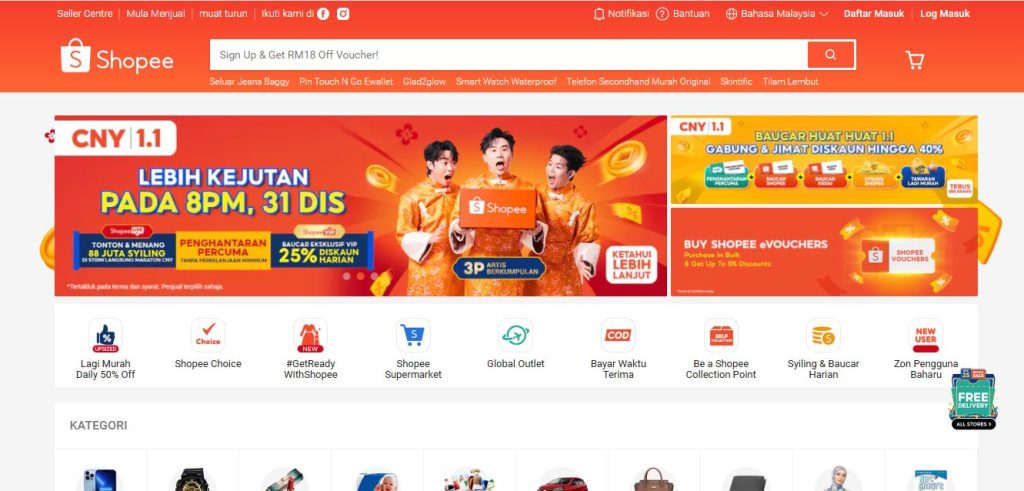
Key Features: Live shopping events, ShopeePay integration, buyer protection guarantee, and free shipping programs. Their gamified shopping experience with mini-games and daily rewards drives consistent engagement.
Growth Metric: 24% year-on-year growth, with mobile transactions accounting for 92% of total sales.
3. Matahari Mall
Matahari Mall has positioned itself as Malaysia’s premium online department store, catering to mid to upper-income consumers. Monthly active users reached 4.2 million in 2025.
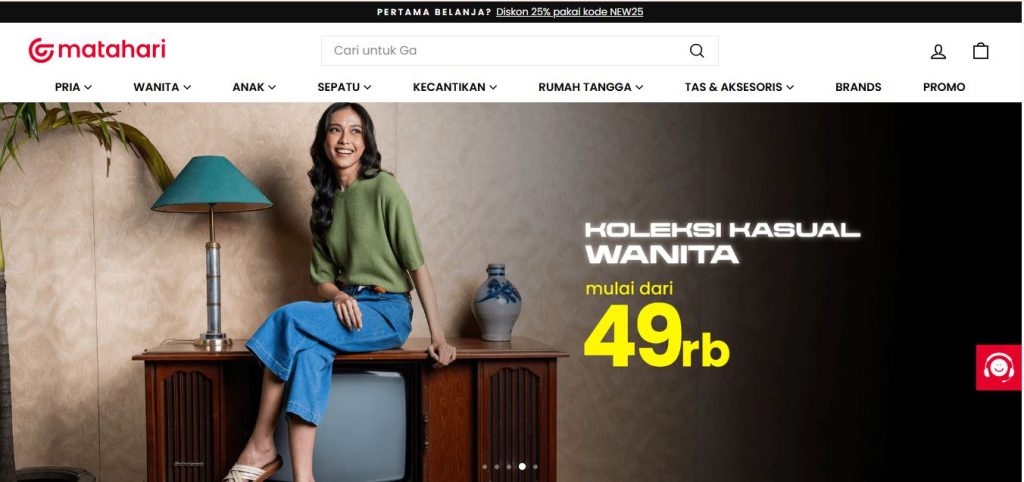
Key Features: Curated product selection, exclusive brand partnerships, personal styling services, and membership loyalty program. Their focus on quality over quantity differentiates them from competitors.
Growth Metric: 18% growth with emphasis on fashion (45% of sales) and home décor segments.
4. PGMall (Pavilion Gallery)
PGMall integrates luxury retail with online shopping, targeting affluent Malaysian consumers. Monthly traffic exceeds 3.8 million visitors.
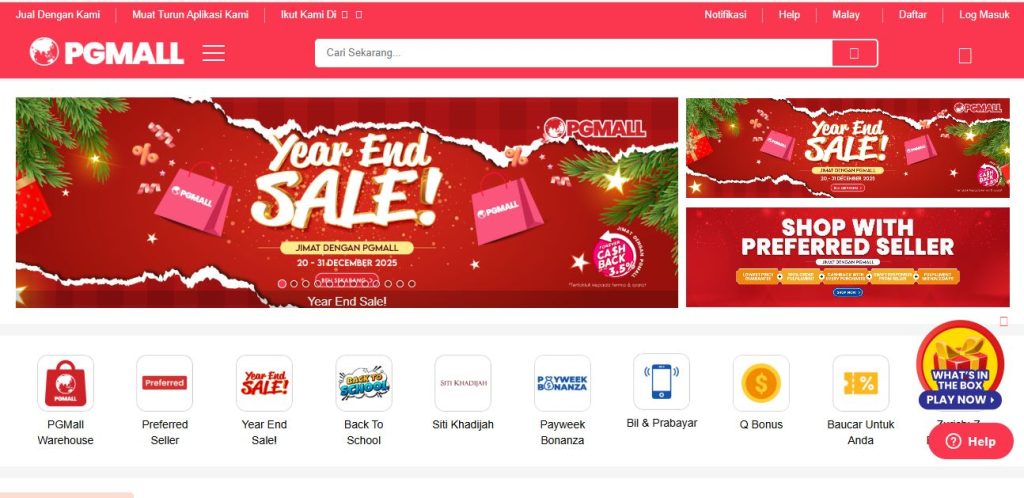
Key Features: Exclusive designer brands, virtual try-on technology, concierge services, and premium packaging. Strategic partnerships with luxury brands like LVMH and Kering enhance their market position.
Growth Metric: 22% growth driven by luxury fashion and accessories categories.
5. Zalora Malaysia
Zalora specializes in fashion and footwear, maintaining 3.5 million monthly active users. The platform offers one of Malaysia’s most extensive fashion catalogs with over 250,000 SKUs.
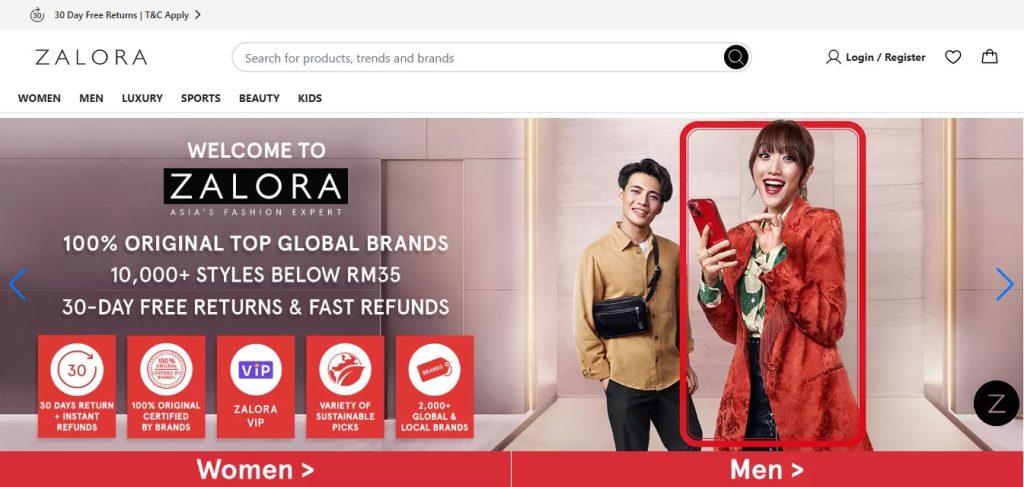
Key Features: Free returns within 30 days, express delivery, style inspiration tools, and seasonal sales events. Their mobile app accounts for 88% of transactions.
Growth Metric: 20% year-on-year growth with fashion representing 94% of total sales.
6. Carousell
Carousell has evolved into a major C2C (Consumer-to-Consumer) marketplace with 5.2 million monthly active users. The platform generates approximately RM 600 million in annual transaction value.
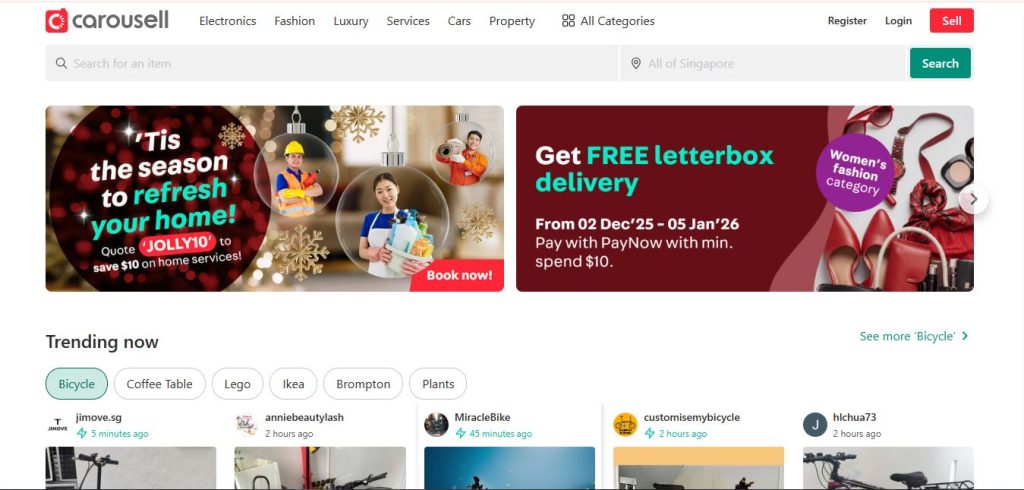
Key Features: User-friendly listing interface, in-app messaging, secure payment options, and community-driven approach. Their focus on pre-owned and new items appeals to budget-conscious shoppers.
Growth Metric: 28% growth in 2025, with pre-owned fashion and electronics being top categories.
7. Qoo10 Malaysia
Qoo10 maintains a strong presence with 2.8 million monthly active users, offering competitive pricing and flash deals. The platform hosts approximately 150,000 active sellers.
Key Features: GrouponDeal system for bulk discounts, QooCash digital wallet, free shipping promotions, and seller rating system. Their flash sale strategy drives significant daily traffic spikes.
Growth Metric: 16% growth with strong performance in electronics and home appliances.
8. Mudah.my
Mudah.my dominates the classifieds and marketplace segment with 4.1 million monthly visitors. The platform has expanded beyond classifieds into structured ecommerce.
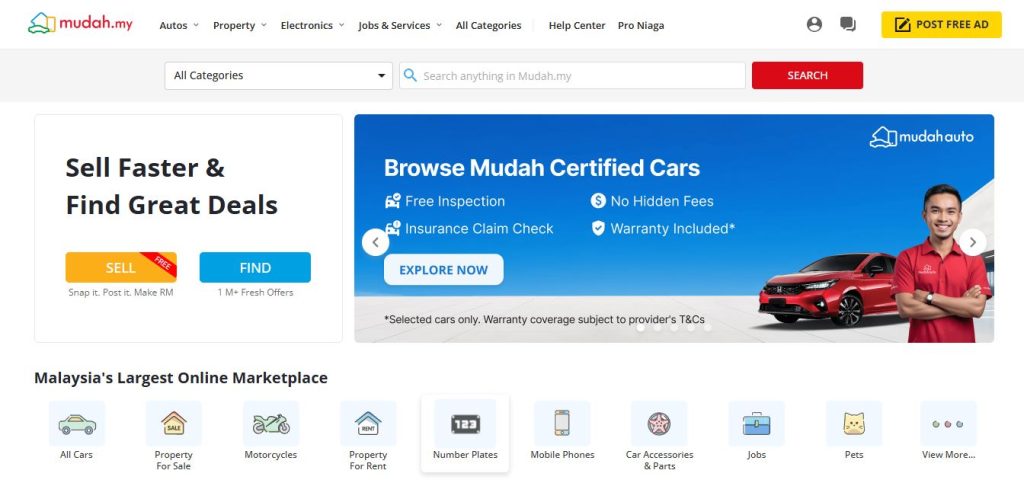
Key Features: Categorized listings, verified seller badges, free classified postings, and buyer-seller messaging. Their expansion into automotive accessories and electronics has strengthened market position.
Growth Metric: 15% growth with automotive category generating 35% of platform activity.
9. Taobao/1688 (via Local Agents)
While technically Chinese platforms, Taobao and 1688 significantly influence Malaysian online shopping through local buying agents and logistics partners. An estimated 2.5 million Malaysians use these channels monthly.
Key Features: Extremely competitive pricing, vast product selection, and direct factory sourcing. Local fulfillment centers have reduced delivery times from 2-3 weeks to 5-7 days.
Growth Metric: Estimated 32% growth in usage, driven by price-conscious consumers seeking bulk purchases and unique products.
10. Lazada Affiliate Network & Small Niche Platforms
The tenth position includes emerging platforms and niche marketplaces such as Foodpanda Shop, Grab Mart, and specialized platforms like StyleCake (beauty) and Gintell Online (wellness products).
Key Features: Vertical specialization, same-day delivery, subscription models, and personalized recommendations. These platforms collectively serve 3.2 million monthly users.
Growth Metric: 35% average growth across emerging players, indicating market diversification.
What’s Shaping the Future of Ecommerce in Malaysia This Year?
The Malaysian ecommerce market continues to evolve rapidly, and several trends are shaping the way consumers shop online and how businesses need to respond.
1. Social Commerce is Leading the Way
Platforms that integrate live streaming, short-form videos, and community features are seeing up to 40% higher engagement than traditional ecommerce sites. Shoppers enjoy interactive experiences, while businesses can showcase products in real time, answer questions instantly, and build stronger customer loyalty. Social features are no longer optional they are driving engagement and repeat visits.
2. Same-Day and Next-Day Delivery Expectations
With 78% of urban consumers expecting fast delivery, logistics has become a decisive factor. Efficient inventory management, smart warehouse placement, and streamlined delivery processes are critical for meeting these expectations. Fast and reliable delivery is now as important as the products themselves.
3. Digital Payments Dominate
Digital wallets, Buy-Now-Pay-Later (BNPL), and other cashless payment options now account for over half of online transactions. Consumers increasingly expect secure, frictionless payment methods. Ecommerce platforms that integrate popular local payment solutions tend to see higher conversion rates and lower cart abandonment.
4. Mobile-First Shopping Rules
With 94% of ecommerce transactions occurring on mobile devices, responsive design and mobile-optimized checkout experiences are essential. Even small UX improvements like sticky “Add to Cart” buttons or simplified forms can significantly improve conversion rates and customer satisfaction.
5. Sustainability Influences Buying Decisions
Around 23% of Malaysian consumers consider eco-friendly packaging or carbon-neutral delivery when shopping online. Highlighting sustainable practices or offering greener delivery options can influence purchase decisions and help platforms stand out.
6. Cross-Border Ecommerce is Growing
Regional marketplaces across Southeast Asia are gaining popularity, with 19% of purchases involving cross-border transactions. Shoppers are increasingly looking for products from neighboring countries, creating opportunities for businesses to expand their reach. Features like multi-currency support, international shipping, and multilingual interfaces are becoming more important.
Onext Digital’s Hands-On Ecommerce Experience in Malaysia
Over the years, Onext Digital has helped businesses across Southeast Asia build ecommerce websites, including projects tailored for the Malaysian market. One type of project we worked on involved an online store in the fast-moving consumer goods sector, offering a wide range of products from household essentials to personal care items.
In this project, our team focused on addressing several key challenges:
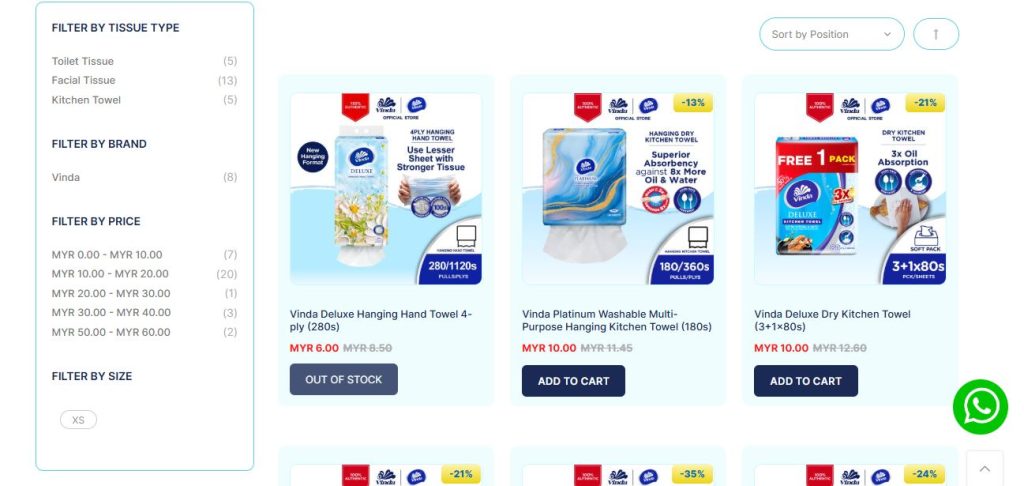
- Managing a Complex Product Range: With hundreds of SKUs across multiple categories, we created an intuitive navigation system and clear product pages, helping shoppers quickly find what they needed without feeling overwhelmed.
- Mobile-First Experience: Knowing that many customers browse on smartphones, we implemented a fully responsive design, ensuring smooth browsing, product selection, and checkout across all devices.
- Optimized Checkout & Payment: To reduce cart abandonment, we streamlined the checkout process and integrated local payment options widely used in Malaysia, making transactions fast and hassle-free.
- Performance During Peak Traffic: High-traffic periods like promotions or flash sales can slow down a site. We applied performance optimizations to keep page loads fast and the shopping experience seamless, even under heavy demand.
The outcome? Customers enjoyed smoother navigation, easier product discovery, and a more reliable shopping experience, even during busy periods. Working on projects like this has given Onext real insight into what Malaysian online shoppers value most: convenience, speed, and a natural, intuitive shopping journey from browsing to checkout.
It’s fascinating how thoughtful design choices and small functional tweaks can make such a big difference in customer satisfaction and conversion have you noticed that when shopping online yourself?
Conclusion
Ecommerce in Malaysia continues to grow at an impressive pace, creating both exciting opportunities and challenges for online sellers and buyers alike. In this article, we’ve highlighted the top 10 ecommerce websites in Malaysia in 2026, based on their popularity, features, and user reviews, along with practical tips to help you choose the platform that best suits your needs and business goals.
If you’re looking to launch, improve, or scale your online store, Onext Digital is here to help. As a trusted digital partner, we provide professional web development, mobile app development, UX/UI design, and white label software solutions tailored to your business. Our team can help you optimize your ecommerce platform, enhance user experience, and implement effective strategies to boost sales. Contact Onext Digital today for a free consultation or quote and take the next step toward growing your online business successfully.
Frequently Asked Questions (FAQs)
1. Which is the most popular ecommerce website in Malaysia?
Shopee remains the most visited ecommerce platform in Malaysia in 2026, thanks to its wide product range, mobile-friendly interface, and features like Shopee Live, Shopee Mall, and big sale events such as 9.9, 11.11, and 12.12.
2. Is Lazada better than Shopee?
Both platforms are highly popular. Shopee is known for its strong mobile app and frequent flash sales, while Lazada offers strong logistics support, LazMall for authentic products, and seamless online payments. Your choice depends on the products you sell or buy and your preferred shopping experience.
3. Can small businesses sell on these platforms?
Yes! Platforms like Shopee, Lazada, and PG Mall allow small and medium businesses to create online stores, manage inventory, advertise products, and participate in promotional campaigns. These platforms are ideal for startups or sellers looking to expand their reach.
4. Are these ecommerce websites safe to buy from?
Most top platforms like Shopee, Lazada, and Zalora have secure payment systems, buyer protection policies, and return/exchange programs. Always check seller ratings and reviews before purchasing.
5. How do I choose the best ecommerce platform for my needs?
Consider your target audience, product type, budget for fees or advertising, and the platform’s features. For example, if you sell fashion items, Zalora or Shopee may be suitable. For groceries, Tesco Online or Lotus’s is ideal.
6. What ecommerce trends should I watch in Malaysia in 2026?
In 2026, expect more social commerce integration, AI-powered personalized shopping experiences, and same-day delivery services. Mobile-first shopping and cross-border ecommerce will continue to grow strongly.
7. Will new platforms challenge the top ecommerce sites in Malaysia?
Emerging niche platforms and marketplaces focusing on verticals like wellness, fashion rental, or sustainable products are gaining traction and could become significant players in the next few years.