
 Services
 Solutions
 Main platform
 Technology
 White Label
  Offshore
 Hire developers



Are you looking to develop a high-quality mobile app for your business but don’t know where to start? The success of your Flutter app largely depends on choosing the right development partner. But with so many options out there, how do you make sure you’re partnering with the best?
Opting for a nearshore Flutter app development partner can be a smart solution, offering a perfect balance of cost-effectiveness, time zone convenience, and quality. In this article, we’ll guide you through the key factors to consider when selecting the ideal nearshore partner to bring your app vision to life—efficiently and affordably.
What is Nearshore Flutter App Development?
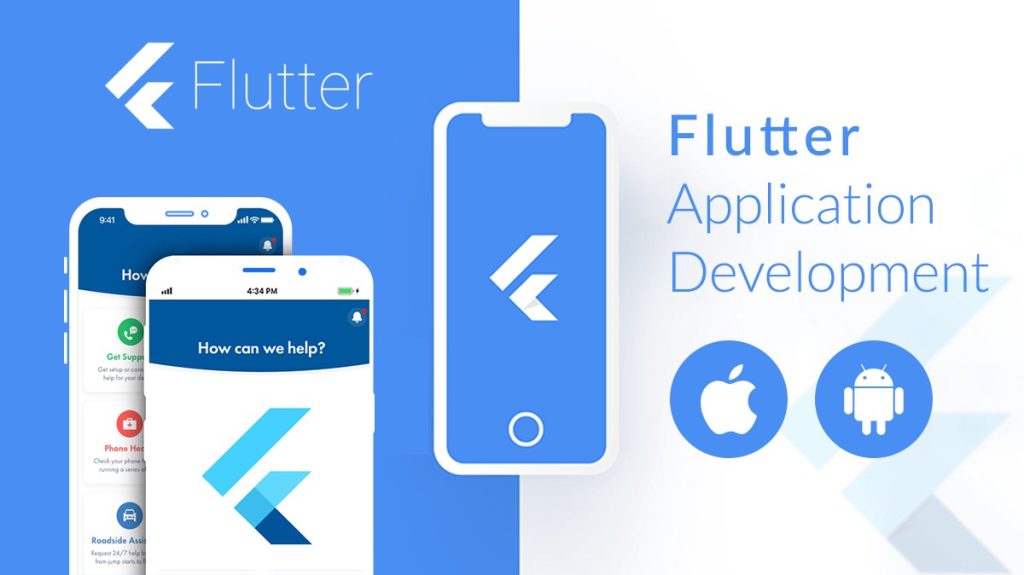
Nearshore Flutter app development refers to outsourcing the development of mobile applications using the Flutter framework to teams located in nearby or neighboring countries. This approach is often used by businesses to reduce costs while maintaining a high level of communication and collaboration due to the proximity of the development teams.
For example, companies in Japan or South Korea may collaborate with developers in Southeast Asia, such as Vietnam or Indonesia. This approach allows businesses to reduce labor costs while minimizing the challenges associated with offshore development in distant time zones.
Nearshore Flutter developers offer a variety of services, including:
- Custom Flutter App Development: Designing and developing personalized mobile applications for both iOS and Android platforms.
- UI/UX Design: Crafting visually engaging and intuitive interfaces using Flutter’s extensive widgets.
- Integration Services: Integrating third-party services and APIs to enhance the app’s functionality.
- Maintenance and Support: Offering continuous maintenance, updates, and support to ensure the app remains optimized and functional.
- Cross-Platform Optimization: Utilizing Flutter’s single codebase to ensure the app performs efficiently on multiple devices and operating systems.
Why Choose a Nearshore Flutter App Development Partner?
Before diving into the process of choosing the right Flutter app development partner, it’s important to fully grasp the distinct advantages that nearshore outsourcing can offer. Working with a nearshore partner provides several benefits that can significantly impact the success of your mobile app project:
1. Cost-effectiveness
One of the main reasons businesses opt for a nearshore partner is the significant cost savings. Nearshore developers typically offer competitive pricing that is more affordable compared to onshore teams, especially in regions with high labor costs. However, the real advantage lies in the fact that nearshore teams provide the same level of quality as onshore developers, but at a much lower cost. This allows businesses to access skilled developers without stretching their budgets.
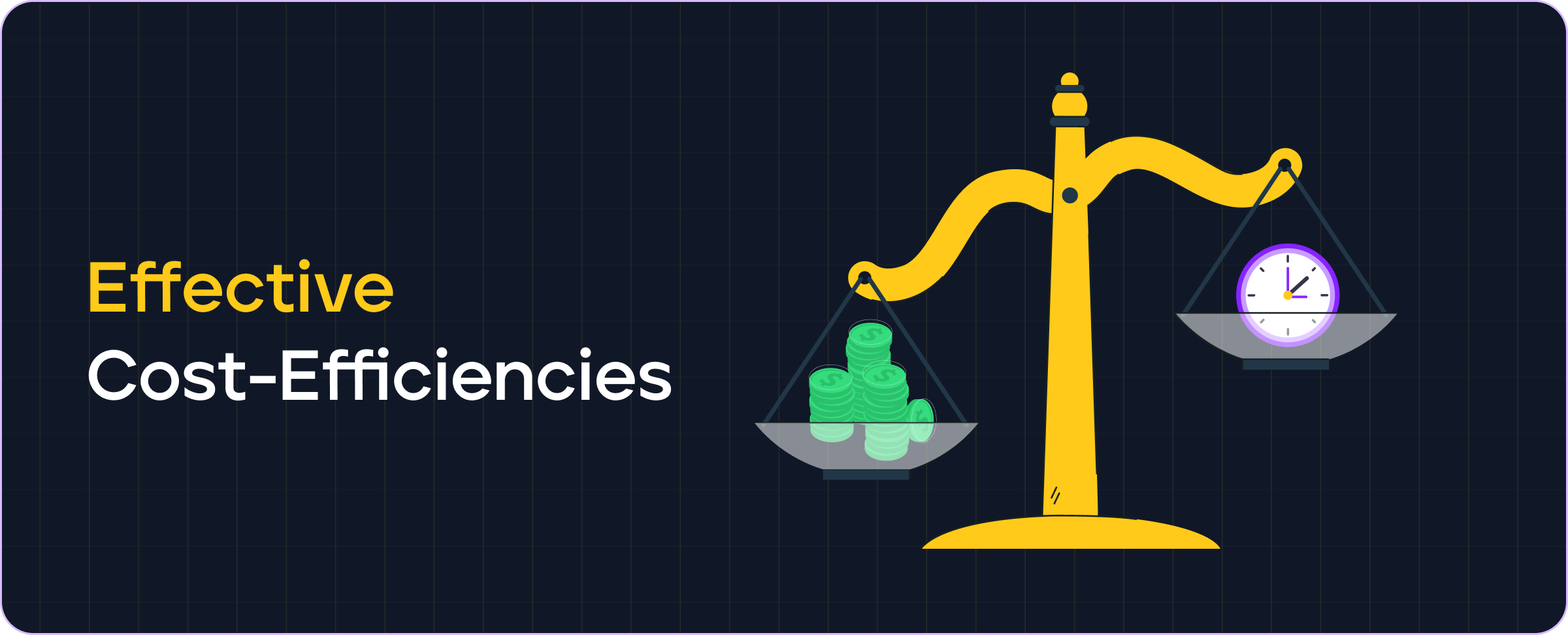
In fact, many companies that have partnered with nearshore teams report up to a 30% reduction in overall development costs, without compromising on the quality of their Flutter apps. For businesses looking to maximize the value of their investments, nearshore outsourcing is a smart choice, offering cost-effective solutions and the technical expertise needed for high-quality app development.
2. Time Zone Alignment
A key advantage of nearshore outsourcing is the alignment of time zones. Nearshore teams often operate within a similar time zone or have overlapping working hours, significantly reducing communication delays that can arise when working with offshore teams. This time zone proximity makes it easier to schedule real-time meetings, hold daily or weekly check-ins, and resolve issues promptly.
For example, businesses that work with nearshore teams report a 40% improvement in communication efficiency due to the shorter time gaps between meetings and feedback sessions. This faster response time improves the overall development process, allowing businesses to make adjustments in real time and keep the project on track.
3. Cultural Similarities
Cultural compatibility is another compelling reason to choose a nearshore partner. Nearshore teams often come from regions that share similar work ethics, communication styles, and business practices, making collaboration smoother. For instance, teams from nearby or culturally similar regions can more intuitively understand a business’s goals, market trends, and communication preferences. This cultural alignment often results in fewer misunderstandings and faster decision-making processes.
According to industry reports, businesses working with nearshore teams experience 25% fewer communication breakdowns and faster problem-solving, allowing them to stay focused on the project’s objectives.
4. Proximity for In-Person Meetings
Unlike offshore teams, which are often located on distant continents, nearshore teams are geographically closer, making it easier and more cost-effective to arrange in-person meetings when needed. These face-to-face interactions play a critical role in building strong working relationships, resolving complex issues, and discussing major milestones or project changes.

In fact, businesses report a 20% improvement in project efficiency when they have the option of in-person meetings, compared to working with offshore teams. Whether it’s a kick-off meeting or a mid-project review, being able to meet with your nearshore team face-to-face fosters trust, enhances communication, and ensures better alignment of project expectations.
Key Considerations for Choosing the Best Nearshore Flutter App Development Partner
Selecting the best nearshore Flutter app development partner is a crucial decision for the success of your project. To ensure that you make the right choice, it’s important to carefully evaluate the following key factors:
1. Expertise in Flutter Development
The first and foremost consideration when choosing a nearshore Flutter app development partner is their expertise in Flutter itself. Flutter is a powerful framework, and not all developers are proficient in its unique capabilities. Look for a partner who has a proven track record of delivering high-quality, performance-driven mobile applications built with Flutter.
Examine their portfolio to see real examples of Flutter apps they have developed, paying attention to app performance, user experience, and overall quality. A good Flutter development partner should also be actively involved in the Flutter community, participating in events, contributing to open-source projects, and staying up-to-date with the latest trends, updates, and best practices in Flutter development. This shows their commitment to mastering the framework and delivering cutting-edge solutions.
2. Technical Skillset
In addition to expertise in Flutter, your development partner should have a strong technical skill set across other relevant technologies to ensure your app performs seamlessly. Some of the key technical areas include:
- Backend Technologies:
Your partner should be proficient in backend technologies like js, Firebase, or other cloud-based solutions. These are essential for managing data storage, authentication, and server-side functionality that supports your Flutter app.
- UI/UX Design:
A great Flutter app isn’t just about functionality; it’s also about user experience. Ensure that the development team has expertise in UI/UX design to create intuitive, visually appealing interfaces. The design should enhance the app’s usability, ensuring a smooth and enjoyable experience for users.
- Cross-Platform Development:
Flutter’s key selling point is its ability to build apps for both iOS and Android with a single codebase. Make sure your nearshore partner has experience in developing cross-platform apps to guarantee that your Flutter app will function seamlessly on both platforms without performance issues or inconsistencies.
3. Strong Communication and Collaboration Skills
Effective communication is the cornerstone of a successful development partnership. The ideal nearshore partner should be responsive, proactive, and capable of simplifying complex technical concepts for your understanding. Clear, transparent communication is essential for minimizing misunderstandings and ensuring that the project stays on track.

Look for a partner who is open to frequent updates, asks clarifying questions, and offers valuable suggestions throughout the development process. A team with strong collaboration skills will work seamlessly with your internal team, keeping everyone aligned on project goals and timelines.
4. Proven Project Management Practices
The development process can be complex, so it’s essential to choose a partner who follows proven project management methodologies. A reliable nearshore partner will use frameworks such as Agile or Scrum to ensure iterative progress, adaptability, and continuous improvement.
They should provide you with regular progress updates, show flexibility in adapting to changes, and manage deadlines effectively. Look for a partner who can balance quality assurance with timely delivery, ensuring that the app meets your expectations while being completed on schedule.
5. Cultural Fit and Time Zone Compatibility
Cultural alignment and time zone compatibility are crucial for smooth collaboration. Ensure that the nearshore partner’s working hours overlap with yours, enabling real-time communication and rapid response to any issues that arise during development.
Cultural fit also plays an important role in building a strong, trusting relationship. When teams understand each other’s work culture, expectations, and communication preferences, it fosters better collaboration and minimizes friction. Look for a partner who shares a similar approach to problem-solving, decision-making, and project management, as this leads to a more harmonious working relationship.
6. Client Testimonials and References
Before making a final decision, always ask for references or testimonials from previous clients. Speaking with clients who have worked with the development partner will provide you with invaluable insights into their reliability, professionalism, and ability to deliver on time and within budget.
Inquire about the partner’s strengths and weaknesses, the overall experience of working with them, and whether they met the client’s expectations. This firsthand feedback will help you assess whether the partner is a good fit for your needs.
7. Post-launch Support and Maintenance
The work doesn’t end once your Flutter app is launched. Post-launch support and maintenance are essential to ensure that the app continues to function smoothly and adapts to any changes or issues that arise after release.

Check if your partner offers comprehensive post-launch services, including bug fixes, app updates, and ongoing technical support. A reliable partner will provide long-term support to help you improve your app over time, fix any bugs, and stay ahead of evolving platform requirements.
8. Cost and Budget Alignment
While cost shouldn’t be the sole factor in your decision-making, it’s important that the partner’s services align with your budget. Be transparent about your budget and request a detailed, clear pricing structure from the partner. This should include not only the development cost but also any potential additional costs for maintenance, updates, or ongoing support.
A trustworthy nearshore partner will offer clear contract terms, avoid hidden fees, and provide a transparent billing structure that ensures you know exactly what to expect financially throughout the project. Make sure that the partner’s pricing reflects their expertise and the quality of their work, rather than just being the lowest offer available.
How to Evaluate and Compare Nearshore Flutter App Development Partners
To make the best decision when choosing a nearshore Flutter app development partner, it’s crucial to conduct a thorough evaluation. Here are some key steps to guide you through this process:
1. Conduct Interviews
One of the most effective ways to evaluate potential partners is by conducting interviews. This allows you to gauge their communication skills, technical knowledge, and cultural fit with your team. During the interview, ask about:
- Their experience with Flutter app development, including specific projects similar to yours.
- How they handle challenges in the development process and ensure high-quality delivery.
- Their approach to communication and collaboration, particularly with remote teams.
- Their understanding of your goals and how they would help you achieve them.
Make sure to assess how responsive and proactive they are during the conversation, as these qualities are essential for smooth collaboration. This will help you determine if the partner is someone you can easily communicate and work with throughout the project.
2. Request a Portfolio
A strong portfolio is a tangible way to evaluate a nearshore partner’s expertise and experience. Ask for a portfolio of their past projects, focusing on apps that are similar to what you want to build. Here’s what to look for:
- Relevant experience: Look for apps that align with your industry or app type (e.g., e-commerce, social media, enterprise tools).
- App performance and design: Review how well the apps function across platforms and their UI/UX design. High-performance apps with intuitive interfaces are signs of a skilled development team.
- Innovation and problem-solving: Pay attention to how the partner handled challenges during previous projects. A great partner will demonstrate creativity in overcoming obstacles and delivering tailored solutions.
A comprehensive portfolio can give you a good sense of their technical capability and whether they can meet the specific needs of your app development.
3. Get a Proposal
Request a detailed proposal from each potential partner. This proposal should provide you with a clear understanding of the scope, timeline, and cost of the project. Here’s what to expect in a well-rounded proposal:
- Project timeline: A clear schedule with major milestones and deadlines for each phase of development. This will help you understand their ability to manage timelines and resources.
- Cost estimate: A breakdown of the costs involved, including development, testing, deployment, and any post-launch support. This should be transparent with no hidden fees.
- Development process: A description of the partner’s approach to app development, including the tools and technologies they’ll use (e.g., Flutter, backend frameworks), and their project management methodology (e.g., Agile, Scrum). This will give you insight into how they plan to execute the project efficiently and handle any potential changes.
A well-prepared proposal should also outline their process for quality assurance, testing, and post-launch support. This will ensure that your app is delivered to the highest standard and supported after it’s launched.
4. Check References and Client Testimonials
In addition to the proposal, always request client references and read testimonials from previous clients. Speaking directly with former clients allows you to assess:
- Reliability and professionalism: Find out if the partner met deadlines, communicated effectively, and delivered the app within the agreed budget.
- Post-launch support: Ask how the partner handled post-launch issues, updates, and maintenance. It’s important to know if they continue to support their clients even after the project is completed.
- Long-term collaboration potential: You want a partner who can build a lasting relationship. Ask if the client would work with them again and if they have done so for future projects.
These insights will provide valuable context on how the partner performs in real-world scenarios and whether they’re a good match for your needs.
5. Evaluate Cultural and Time Zone Compatibility
As discussed earlier, cultural fit and time zone compatibility are critical to successful collaboration. During your interviews and discussions:
- Assess their communication style to ensure it aligns with yours. A partner who shares similar work ethics and values can enhance collaboration and reduce potential conflicts.
- Confirm their time zone overlap: A good nearshore partner should have overlapping working hours with your team, making it easier to schedule meetings and respond to urgent requests promptly.
Cultural and time zone compatibility fosters a smoother workflow and makes real-time collaboration much easier.
6. Look for a Partner Who Prioritizes Transparency and Trust
Trust is a cornerstone of any successful partnership. Ensure that the nearshore partner:
- Is transparent about their development process, timelines, and any potential risks that may affect the project.
- Addresses concerns openly and works to resolve any issues promptly, demonstrating their commitment to delivering a high-quality product.
- Offers a well-defined contract with clear terms on project scope, pricing, and deliverables, so you’re both on the same page from the beginning.
Conclusion
Nearshore Flutter app development offers a compelling combination of cost savings, time zone alignment, cultural compatibility, and proximity for in-person meetings, making it an excellent choice for businesses seeking efficient and high-quality app development. By leveraging these advantages, companies can streamline their processes, reduce delays, and achieve their goals without compromising on quality. Whether you are looking to develop a cutting-edge Flutter app or improve collaboration efficiency, nearshore outsourcing is a strategic solution that aligns with both your technical and business needs.
If you’re planning to build a Flutter app and need a reliable nearshore partner, ONEXT Digital can help. Our skilled team is ready to bring your vision to life with a focus on quality and collaboration. Contact us today to get started!