
 Services
 Solutions
 Main platform
 Technology
 White Label
  Offshore
 Hire developers



In today’s rapidly evolving automotive landscape, software has become the driving force behind innovation, efficiency, and safety. Modern vehicles are no longer just mechanical machines; they are intelligent systems powered by advanced software solutions. From real-time navigation and predictive maintenance to autonomous driving and electric vehicle management, automotive software development services are shaping the future of transportation.
As car manufacturers, suppliers, and technology companies race to meet new consumer expectations, the demand for custom automotive software is accelerating. These solutions enable seamless integration of digital technologies, enhance vehicle performance, and support data-driven decision-making.
In this blog, we’ll explore how automotive software development services are transforming the modern vehicle industry, the key areas of innovation, and why partnering with a skilled development team is essential for companies aiming to stay ahead in this dynamic market.
What Is Automotive Software Development?
Automotive software development refers to the process of designing, building, testing, and maintaining software systems that operate within vehicles or connect them to external digital ecosystems. Unlike traditional automotive engineering, which focused primarily on mechanical components, this modern discipline blends embedded systems, data analytics, AI, and IoT technologies to create vehicles that are safer, smarter, and more efficient.
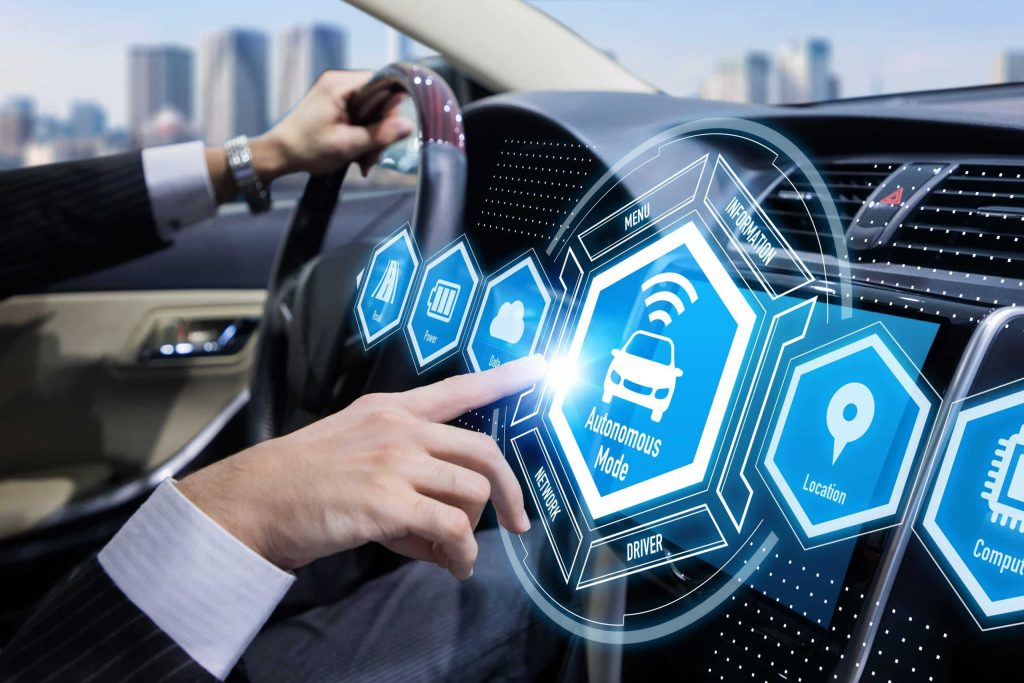
At its core, automotive software governs nearly every function of a modern vehicle from engine control and braking systems to infotainment, navigation, and real-time diagnostics. This software not only enhances driving performance but also ensures that vehicles can communicate seamlessly with drivers, manufacturers, and surrounding infrastructure.
The scope of automotive software development services is broad, encompassing multiple domains such as:
- Embedded systems and ECU software that control essential vehicle operations.
- ADAS (Advanced Driver Assistance Systems) and autonomous driving software that use AI and sensors to improve safety.
- Infotainment and connectivity platforms offering real-time navigation, entertainment, and smartphone integration.
- Telematics and fleet management solutions that monitor and optimize vehicle performance remotely.
In short, automotive software development is the foundation of the modern mobility revolution. It bridges hardware innovation with digital intelligence turning cars into connected, adaptive machines capable of learning, predicting, and evolving alongside their drivers.
Types of Automotive Software Solutions
The rise of automotive software development services has transformed how vehicles operate, communicate, and deliver value. Today’s vehicles rely on a complex network of software systems that control everything from safety and connectivity to entertainment and energy efficiency.
Below are the key types of automotive software solutions shaping the modern vehicle industry:
1. Infotainment and In Vehicle Experience Systems
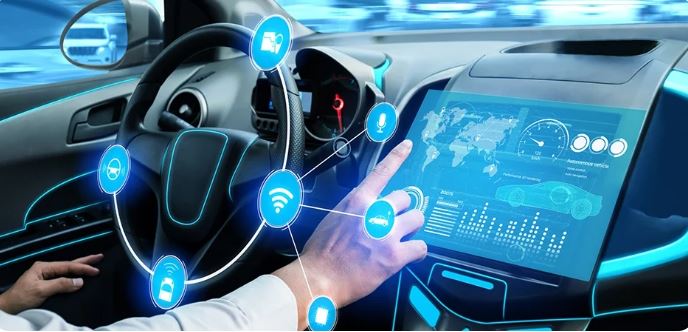
Infotainment systems are the core of a vehicle’s digital experience. They combine navigation, entertainment, and communication features into one interactive platform. With smartphone integration through Apple CarPlay or Android Auto, drivers can access maps, music, and apps seamlessly. These software solutions enhance convenience and safety by offering voice control and intuitive interfaces, keeping the driver focused on the road.
2. Advanced Driver Assistance Systems (ADAS) and Autonomous Driving
ADAS and autonomous driving software are the driving forces behind safer and smarter mobility. Powered by AI, cameras, radar, and sensors, these systems assist with critical tasks such as adaptive cruise control, lane keeping, and automatic emergency braking. In advanced stages, autonomous software processes millions of data points per second to make real time decisions, paving the way for self driving vehicles.
3. Telematics and Vehicle Connectivity Solutions
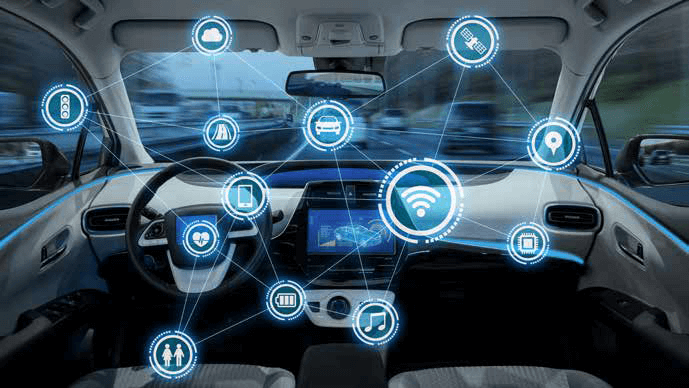
Connectivity is at the heart of today’s automotive innovation. Telematics software enables vehicles to communicate with external systems, cloud platforms, and even other cars. It supports features like remote diagnostics, GPS tracking, route optimization, and over the air (OTA) updates, allowing automakers to monitor performance, deliver new features, and improve user experience without physical intervention.
4. Management Systems for Electric Vehicles
For electric and hybrid vehicles, software plays a critical role in optimizing energy use and performance. Powertrain software manages torque and energy distribution, while battery management systems (BMS) monitor charging cycles, temperature, and overall health. These systems ensure long term reliability, energy efficiency, and safety, which are key factors in the EV revolution.
5. Predictive Maintenance and Data Analytics Platforms
Data driven software solutions are redefining vehicle maintenance. Predictive maintenance platforms use AI and machine learning to analyze sensor data, detect anomalies, and forecast potential failures before they happen. This proactive approach helps automakers and fleet operators minimize downtime, reduce repair costs, and improve overall operational efficiency.
6. Automotive Cybersecurity Solutions

As vehicles become more connected, protecting them from cyber threats is a top priority. Automotive cybersecurity software secures vehicle networks, encrypts communication, and ensures safe OTA updates. These solutions safeguard critical systems and user data, maintaining trust in the connected mobility ecosystem.
In essence, automotive software solutions are the digital backbone of the modern vehicle industry. They empower manufacturers to deliver safer, more connected, and more personalized driving experiences while laying the groundwork for the next generation of intelligent, software defined vehicles.
Key Technologies Powering Automotive Software Development
Behind every smart and connected vehicle lies a powerful combination of advanced technologies. These innovations are the driving force that enables automotive software development services to create intelligent, efficient, and future ready mobility solutions. Let’s explore the key technologies shaping this transformation.
1. Artificial Intelligence and Machine Learning
AI and machine learning are at the heart of modern automotive software. They allow vehicles to analyze complex data from sensors, cameras, and radars to make intelligent driving decisions. From recognizing pedestrians and traffic signs to enabling self parking and collision avoidance, AI transforms raw data into real time insights that enhance both safety and performance. Machine learning also supports predictive maintenance by identifying patterns and preventing potential issues before they occur.
2. Internet of Things (IoT)
The Internet of Things connects vehicles to everything around them other cars, infrastructure, mobile devices, and cloud platforms. IoT technology enables remote monitoring, data sharing, and over the air updates, allowing manufacturers to improve vehicle performance and add new features long after the car leaves the factory. This connectivity forms the backbone of smart mobility and fleet management solutions.
3. Cloud Computing
Cloud computing gives vehicles access to powerful data processing and storage capabilities. It supports continuous software delivery, advanced analytics, and secure communication between vehicles and backend systems. For automakers, cloud technology simplifies remote diagnostics, user data management, and software updates, helping maintain system reliability and scalability across millions of connected vehicles.
4. Blockchain Technology
Blockchain adds a layer of transparency and security to vehicle data management. It can track every software update, maintenance record, or ownership change with verified authenticity. In automotive software development, blockchain also enhances cybersecurity by preventing unauthorized access and ensuring data integrity across connected systems and supply chains.
5. Augmented Reality (AR) and Virtual Reality (VR)
AR and VR technologies are redefining how drivers interact with their vehicles. Augmented reality displays, such as head up displays, project navigation and hazard alerts directly onto the windshield. Virtual reality, on the other hand, assists in driver training, design simulation, and remote maintenance. Together, they create a more intuitive, immersive, and informed driving experience.
These technologies collectively empower automotive software development services to deliver solutions that are not only innovative but also sustainable, secure, and user centric. As they continue to evolve, the boundary between vehicles and digital ecosystems will blur, creating a new era of connected mobility.
The Automotive Software Development Process

Developing high quality automotive software requires a structured and well defined process. Each stage, from research to maintenance, plays a vital role in ensuring that the final product is safe, efficient, and seamlessly integrated with vehicle hardware. Below is an overview of how automotive software development services typically work to bring innovative mobility solutions to life.
1. Requirement Analysis and Research
Every successful project begins with a clear understanding of goals and technical needs. In this phase, the development team collaborates with automakers or suppliers to define system requirements, user expectations, and safety standards such as ISO 26262 or AUTOSAR. This step sets the foundation for functionality, performance, and compliance.
2. System Architecture Design
Once requirements are defined, engineers create a system architecture that connects hardware components, embedded systems, and cloud infrastructure. The architecture determines how different modules communicate and ensures scalability, security, and real time responsiveness essential for modern automotive environments.
3. User Interface and User Experience Design
For systems that interact directly with drivers, such as infotainment or dashboard applications, intuitive UI and UX design are crucial. Developers focus on creating interfaces that are visually clear, easy to navigate, and distraction free, allowing users to access features safely and effortlessly.
4. Software Development and Integration
This is where the coding begins. Engineers build the core software based on design specifications and integrate it with hardware components such as sensors, electronic control units, and communication modules. Many automotive software development companies adopt Agile or DevOps methodologies to ensure continuous collaboration and faster iteration cycles.
5. Testing and Quality Assurance
Testing is one of the most critical stages in automotive software development. It involves multiple levels including unit testing, integration testing, system validation, and safety testing to verify that every function works correctly under different conditions. Automated testing tools and simulation environments help detect errors early and reduce time to market.
6. Deployment and Over the Air Updates
Once the software passes all quality checks, it is deployed to vehicle systems. Over the air update mechanisms allow manufacturers to deliver improvements, new features, or security patches remotely, eliminating the need for physical recalls and ensuring that vehicles stay up to date.
7. Maintenance and Continuous Improvement
The process does not end after deployment. Ongoing monitoring, bug fixing, and feature enhancements are essential to maintain performance and safety. Continuous feedback from drivers, analytics, and telematics data helps developers refine software and adapt to new regulations or market demands.
In summary, an efficient automotive software development process combines engineering precision with flexible methodologies. It ensures that every software component contributes to a reliable, secure, and intelligent driving experience the hallmark of innovation in the modern automotive industry.
Benefits of Automotive Software Development Services
Investing in automotive software development services delivers significant advantages for manufacturers, fleet operators, and drivers. These benefits extend across safety, efficiency, connectivity, and overall vehicle performance.
1. Increased Safety and Reliability
Automotive software manages critical systems such as braking, steering, and advanced driver assistance. By processing sensor data in real time, it helps prevent accidents, improves system response, and ensures reliable vehicle operation in various conditions.
2. Enhanced Performance and Energy Efficiency
Software solutions optimize engine control, powertrain management, and battery usage for electric and hybrid vehicles. By analyzing driving patterns and energy consumption, they improve fuel efficiency, extend battery life, and reduce emissions, supporting sustainable mobility.
3. Personalized Driving Experience
Automotive software enables customization of vehicle features to meet individual driver and passenger preferences. Infotainment systems, climate control, navigation settings, and seat adjustments can all be tailored, creating a more comfortable and engaging driving experience.
4. Seamless Connectivity
Telematics and connectivity solutions allow vehicles to communicate with cloud platforms, other vehicles, and infrastructure. Features such as over the air updates, remote diagnostics, route optimization, and fleet management keep vehicles connected and up to date without requiring physical visits.
5. Reduced Operational Costs through Predictive Maintenance
Predictive maintenance platforms use data analytics to detect potential issues before they become major problems. This proactive approach minimizes downtime, lowers repair costs, and improves overall operational efficiency for fleets and individual vehicles alike.
6. Competitive Advantage and Innovation
In a technology driven automotive industry, software development provides a clear competitive edge. It allows companies to launch new features faster, adapt to changing regulations, and meet evolving consumer expectations. Embracing automotive software services positions manufacturers as innovators in the market.
In short, automotive software development services enable safer, more efficient, and connected vehicles while supporting personalization and innovation. They empower automakers to not only meet current demands but also anticipate the future of mobility.
Challenges in Automotive Software Development
While automotive software development services bring significant benefits, the process is complex and comes with several challenges that manufacturers and development teams must address. Understanding these challenges is crucial to delivering high quality, safe, and reliable vehicle software.
1. System Complexity
Modern vehicles integrate multiple software systems that must communicate seamlessly with hardware components such as sensors, cameras, and electronic control units. Managing this complexity while ensuring smooth operation is a major challenge for developers.
2. Safety and Regulatory Compliance
Automotive software must meet strict safety standards such as ISO 26262 or ASPICE. Ensuring compliance requires thorough documentation, rigorous testing, and adherence to industry regulations, which can significantly extend development timelines.
3. Cybersecurity Threats
As vehicles become more connected, they are increasingly vulnerable to cyber attacks. Protecting in vehicle networks, user data, and over the air updates requires advanced cybersecurity measures and continuous monitoring.
4. Integration Across Multiple Vendors
Vehicles often rely on components and software from different suppliers. Ensuring that all modules integrate correctly and maintain compatibility across updates is a persistent challenge in automotive software development.
5. Rapid Technological Change
The automotive industry evolves quickly with innovations in artificial intelligence, connectivity, electric vehicles, and autonomous driving. Keeping software up to date with the latest technology and ensuring future scalability demands continuous investment and expertise.
6. Cost and Time Constraints
Developing reliable automotive software is resource intensive. High development costs and long project timelines can challenge manufacturers, especially smaller companies and startups trying to compete in a fast moving market.
Despite these challenges, effective planning, robust development processes, and collaboration with experienced automotive software development services providers can help companies overcome obstacles and deliver innovative, reliable, and safe vehicle solutions.
How a Reliable Development Partner Can Help?
Developing high quality automotive software requires a combination of technical expertise, industry knowledge, and a structured development process. Partnering with a reliable automotive software development services provider can help companies overcome challenges and accelerate innovation.
1. Expertise in Complex Systems
Experienced development partners have the skills to design, integrate, and test complex software systems across multiple vehicle platforms. They ensure seamless communication between embedded systems, sensors, and cloud services, reducing errors and improving overall system performance.
2. Compliance and Safety Assurance
A trusted partner ensures that software meets industry standards and safety regulations. They follow best practices in functional safety, quality assurance, and testing, helping manufacturers achieve compliance while minimizing risk.
3. Accelerated Development and Reduced Time to Market
Professional software development teams use proven methodologies such as Agile and DevOps to streamline the development process. This allows for faster iteration, early testing, and continuous integration, helping companies bring new features and products to market more quickly.
4. Cybersecurity and Data Protection
Reliable partners implement robust cybersecurity measures to protect in vehicle networks, personal data, and over the air updates. They monitor vulnerabilities and provide ongoing security support, ensuring vehicles remain safe and secure.
5. Long Term Support and Maintenance
Software maintenance and continuous improvement are essential for modern vehicles. Development partners provide long term support, including bug fixes, feature updates, and performance enhancements, keeping vehicles up to date and competitive in the market.
By collaborating with an experienced automotive software development services provider, companies can focus on innovation and business growth while ensuring that their vehicles remain safe, connected, and future ready.
Future Trends in Automotive Software Development
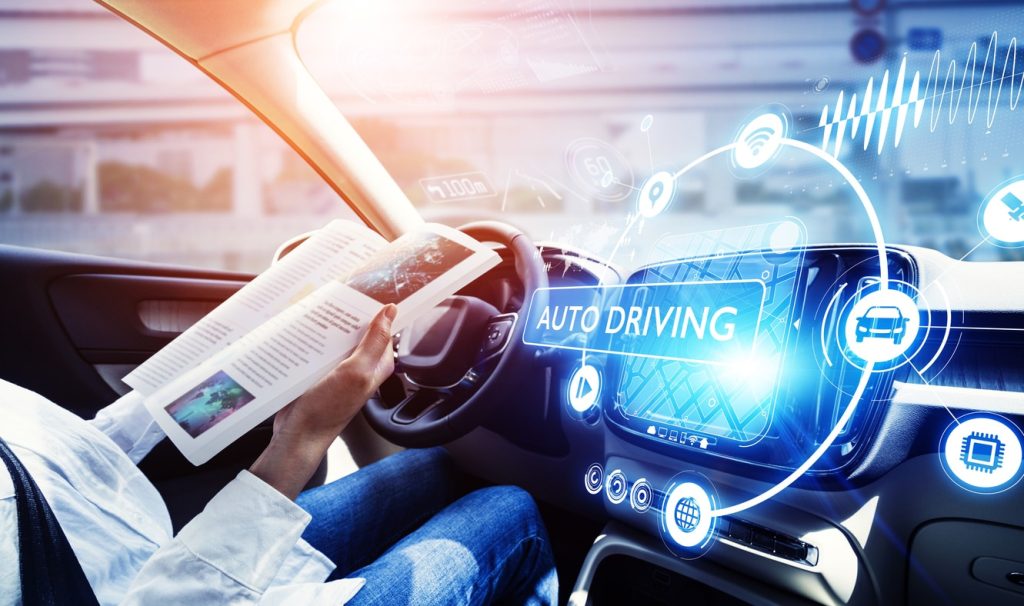
The automotive industry is evolving rapidly, and software continues to be the key driver of innovation. Several trends are shaping the future of automotive software development services:
1. Autonomous Driving and AI Advancement
Artificial intelligence and machine learning will continue to enhance autonomous driving capabilities. Vehicles will become more capable of understanding complex road conditions, making real time decisions, and interacting safely with other road users.
2. Electric and Sustainable Mobility
As electric vehicles become more common, software for battery management, energy optimization, and powertrain control will be critical. Efficient software solutions will enable longer ranges, faster charging, and improved vehicle sustainability.
3. Enhanced Connectivity and Smart Ecosystems
Future vehicles will be fully integrated into smart city infrastructure, communicating with traffic systems, other vehicles, and cloud platforms. Connected software will enable predictive analytics, dynamic routing, and seamless over the air updates.
4. Personalized and Immersive Experiences
Software will allow more personalized driving experiences, adapting infotainment, climate control, and vehicle behavior to individual preferences. Augmented reality and virtual reality may play a larger role in navigation, training, and maintenance.
5. Cybersecurity and Data Privacy
As connectivity grows, protecting vehicle data and systems from cyber threats will remain a top priority. Advanced encryption, secure cloud integration, and real time monitoring will be essential for safeguarding users and vehicle networks.
Conclusion
Automotive software development services are reshaping the vehicle industry, turning traditional cars into intelligent, connected, and secure digital platforms. From improving safety and performance to enabling autonomous driving and personalized experiences, software is now at the heart of automotive innovation.
By leveraging the right technologies, following a structured development approach, and partnering with experienced providers, automakers can overcome challenges and deliver vehicles that meet both current demands and future possibilities. At ONEXT DIGITAL, we offer tailored automotive software solutions that help companies bring these innovations to life, ensuring smarter, safer, and more connected mobility for all.
The future of vehicles is software-driven, and with the right expertise, your company can stay ahead in this rapidly evolving automotive landscape.
FAQs – Automotive Software Development Services
1. What exactly do automotive software development services include?
They cover the full cycle of vehicle software creation from embedded systems and infotainment solutions to AI-powered analytics, testing, and maintenance.
2. How does software innovation influence the future of the automotive industry?
It drives automation, connectivity, and sustainability, enabling electric and self-driving vehicles while redefining mobility experiences.
3. What trends are shaping automotive software development in 2025?
Trends include the rise of AI-driven diagnostics, cloud-based connectivity, cybersecurity-first design, and integration with IoT for smart mobility.
4. How do automotive companies ensure software safety and compliance?
By following global standards like ISO 26262, conducting rigorous testing, and applying advanced cybersecurity frameworks.
5. How can outsourcing automotive software development benefit automakers?
It helps reduce costs, accelerate time-to-market, and gives access to specialized expertise without building an in-house team.
6. How can ONEXT DIGITAL support automotive software development?
ONEXT DGITAL provides end-to-end software solutions for vehicles, combining technical expertise, industry knowledge, and ongoing support to help automakers deliver smarter, safer, and connected mobility experiences.