
 Services
 Solutions
 Main platform
 Technology
 White Label
  Offshore
 Hire developers



Brisbane is home to dozens of web design agencies, ranging from long established firms that have been operating for more than 20 years to small studios run by a single designer working mainly with platforms like Squarespace. With so many options available, the real question is not simply “which agency is good,” but rather which one actually fits your budget, your timeline, and the stage your business is at.
This guide breaks down the different types of web design partners operating in Brisbane today, what you can realistically expect to pay, the criteria that matter most when comparing providers, and the warning signs worth paying attention to. The aim is to help you make a decision based on practical realities, not marketing language that tends to sound the same across every agency website.
Why the Brisbane Market Makes This Decision Harder
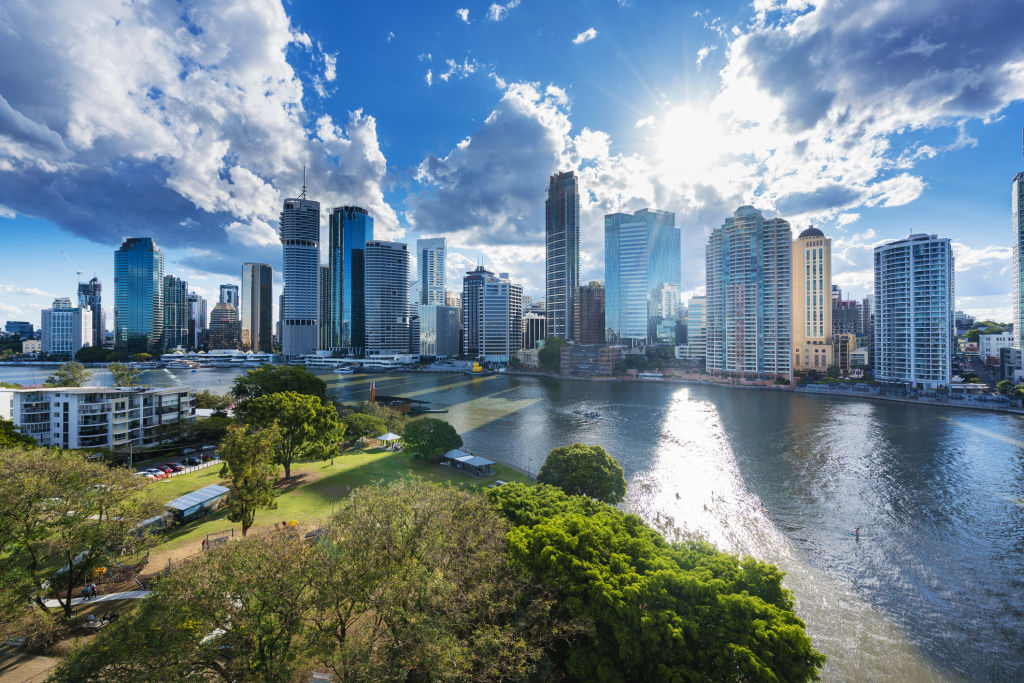
Choosing a web partner in Brisbane isn’t as straightforward as it might seem. The city is home to almost 146,000 businesses and sits within a regional economy worth roughly $225 billion. Queensland has also recorded some of the strongest small business growth in Australia, while Brisbane’s tech sector has expanded into a multi-billion-dollar ecosystem over the past few years.
In practical terms, that means competition is intense. More businesses are fighting for the same customers, and more agencies, freelancers, and web providers are all promising they can deliver results. With so many options available, doing proper due diligence matters more than ever.
In a fast-moving market like Brisbane, the impact of choosing the wrong web partner becomes obvious quickly. Projects drag on, websites fail to perform well on mobile, marketing goals get missed, and budgets that looked reasonable at the start suddenly no longer stack up against what competitors are doing.
That’s why the criteria covered later in this guide matter so much. In a smaller or slower market, you might get away with a few compromises. In Brisbane, those compromises can become expensive much faster.
What Types of Web Design Agencies Operate in Brisbane?
Before you start comparing quotes or ticking boxes on a checklist, it’s worth understanding the types of providers you’re actually choosing between. Not every option suits every business, and the right fit often depends on your budget, goals, and how much ongoing support you’ll need.
Large Full-Service Agencies
These are established agencies with in-house teams covering strategy, UX/UI design, development, and digital marketing. They usually work with larger businesses, government organisations, or companies that need more complex solutions, such as custom platforms, intranets, or ERP integrations.
Their biggest advantage is depth. They have the resources and technical expertise to manage large, complicated projects. The trade-off is that they generally come with higher fees and longer timelines.
Boutique and Specialist Agencies
Boutique agencies tend to be smaller and more focused. Some combine branding with web design, while others specialise in platforms like Shopify or Squarespace. They’re often a good match for small businesses, startups, and service-based brands where personality and positioning matter as much as functionality.
Because they’re more specialised, clients usually get a more hands-on experience and closer collaboration throughout the project.
Freelancers and Solo Studios
Working with a freelancer or solo studio is often the most affordable route. You’ll deal with one person from beginning to end, which can make communication simpler and more personal.
This option works well for smaller websites and straightforward projects. The main consideration is long-term capacity. If your site grows or you need ongoing support, everything depends on the availability and skills of a single person.
Offshore Development Partners
More Brisbane businesses are now looking beyond Australia when budget and scalability become priorities. Offshore development partners provide access to dedicated teams based overseas, often in Southeast Asia, that work remotely while delivering a standard of work comparable to many local agencies.
For businesses that need more than a simple brochure website but don’t have enterprise-level budgets, this model can offer a balance between quality and cost. Later in this guide, we’ll take a closer look at how offshore partnerships work and where they make the most sense.
How Much Does a Brisbane Web Design Agency Cost in 2026?
This is the question most agency websites tend to sidestep. You’ll often see phrases like “every project is different” or “pricing depends on your requirements”, which is true, but not especially useful when you’re trying to set a realistic budget.
Based on publicly available pricing across the Brisbane market, here’s a general guide to what businesses can expect to spend:
| Website type | Price range (AUD) |
| Small brochure site (5 to 10 pages) | $2,500-$6,000 |
| Mid sized business website with custom CMS | $6,000-$15,000 |
| Full featured eCommerce website | $10,000-$30,000+ |
| Complex web platform (CRM, ERP, multi system integration) | $30,000+ |
For most standard websites, the timeline is usually around six to ten weeks. Smaller projects can sometimes be completed in as little as four weeks, while larger builds involving custom functionality or multiple integrations can easily run for several months.
One thing that’s worth keeping in mind is that Brisbane agency pricing reflects the realities of operating in Australia. Local salaries, office costs, and general overhead all contribute to what clients ultimately pay. That’s one reason why an increasing number of businesses are looking at alternative delivery models, including offshore development partners, which we’ll explore next.
Local Agency vs Outsourcing Partner: Which One Fits Your Business?
Brisbane businesses aren’t turning to outsourcing because local agencies lack quality. The driver is almost always budget, especially for SMEs and startups that need a strong website but don’t yet have the capital for a full service local build.
Outsourcing web development to Vietnam is a proven model at this point, not a discount shortcut. Current 2026 market data puts Vietnamese developer rates somewhere between $18 and $40 per hour depending on seniority, or roughly $26 to $37 per hour all in through an established agency. That’s a meaningful gap compared to the full project cost of building the same scope with a Brisbane based team.
There’s one factor most outsourcing cost guides miss entirely, mainly because they’re written for an American or European audience. For an Australian business, outsourcing to Vietnam comes with almost no time zone friction. The gap between Vietnam and Australia is minimal, which means your team and the development team can meet, message, and respond within the same working day. Compare that to outsourcing to the US or Europe, where a 10 to 14 hour gap turns every exchange into a next day wait.
A real example helps illustrate this. Onext Digital, a software development company with over 10 years of experience in IT outsourcing from Vietnam, designed and built a website for Raw Essentials Tea, a premium Australian herbal tea brand. The goal was to help the brand stand out in a highly competitive tea market while giving customers an online shopping experience that felt as polished as the product itself.

The team built the site on WordPress paired with WooCommerce, a flexible and cost effective combination for a growing eCommerce brand that still needs full control over content and store management. The design uses a nature inspired colour palette, high quality product photography, and a clean layout that lets each tea range take centre stage, in line with the brand’s premium positioning. Every part of the purchase flow was optimised to work smoothly across devices, addressing a problem many premium brands run into: strong traffic and a great product image, undone by a checkout experience that creates friction right at the point of sale.
Outsourcing is not the right fit for every situation. If you need a partner who understands the local business landscape, can attend in person meetings, or work closely alongside an internal team based in your office, a Brisbane agency is often the better choice.
However, if your main challenge is building or upgrading a high quality website or eCommerce platform within a tighter budget, then an offshore partner like Onext Digital can be worth considering. The value here is not about compromising on quality, but about using your budget more efficiently to get the functionality and performance you actually need.
7 Criteria for Choosing the Right Agency (Local or Outsourced)
Whether you choose a Brisbane based agency or an offshore partner, the core criteria for evaluating them remain the same.
1. Relevant portfolio experience
Do not just look at whether the work looks good. The more important question is whether they have built websites for businesses similar to yours in size, industry, or complexity. A team that already understands your context, whether that is eCommerce, service based businesses, or B2B, will need less time to get up to speed and is less likely to misinterpret requirements.
2. Reviews you can actually verify
A high star rating does not tell the full story. It is worth reading what people actually say, especially on independent platforms such as Google Reviews or Clutch, and checking whether the feedback feels specific rather than generic.
Case studies are even more useful when they show how a project was delivered, not just that the client was happy at the end.
3. SEO ready structure from the start
A website can look great and still perform poorly. Issues such as slow load times, weak mobile responsiveness, or missing structured data often only appear after launch, when fixing them becomes more expensive.
It is worth asking how SEO and performance are handled during the build phase rather than treated as an afterthought.
4. A clear and realistic delivery process
A good partner should be able to clearly explain how they work from discovery through to design, development, testing, and launch, including realistic timelines for each stage.
Be cautious if everything is framed in vague terms such as “we will move quickly” without any structure behind it.
5. Ongoing support after launch
A website is not a one off project. It needs updates, monitoring, and occasional fixes. Before committing, it is worth understanding what ongoing support looks like, what is included, and what will incur additional costs.
6. Transparent scope and pricing
One of the biggest sources of frustration in web projects is scope creep. A clear contract should spell out exactly what is included, what counts as an extra request, and how those changes are priced.
7. Case studies with measurable outcomes
Strong case studies go beyond visuals or testimonials. Look for evidence of impact such as improvements in conversion rates, traffic growth, or site speed, anything that shows the work delivered real business results.
What the Typical Website Project Process Looks Like
Understanding the standard process helps set realistic expectations and makes it easier to spot early if something feels off or a partner is skipping important steps.
1. Discovery (1 to 2 weeks)
This is where the team gets a clear picture of your business goals, target audience, competitors, and any technical requirements. A good discovery phase should feel like alignment, not just a questionnaire.
2. Design (2 to 3 weeks)
Once the direction is clear, the focus shifts to structure and visuals. This usually starts with wireframes before moving into polished design concepts, with one or two rounds of feedback to refine the look and feel.
3. Development (2 to 4 weeks)
This is where the website is actually built. It includes setting up the content management system or eCommerce platform, implementing designs, and adding any custom functionality needed.
4. Testing (about 1 week)
Before anything goes live, the site should be tested across different devices and browsers. This stage also covers performance checks, basic security review, and fixing any issues that come up.
5. Launch and support
Once everything is ready, the site goes live. The initial launch period usually involves close monitoring to make sure everything runs smoothly, followed by a handover into ongoing support if it is part of the agreement.
6. Typical timeline
For a mid sized project, the overall timeline is usually around 6 to 10 weeks. Projects with more complex requirements such as ERP integrations, custom payment systems, or multi language setups will naturally take longer.
Red Flags to Watch For When Choosing an Agency
Before you commit to any agency, there are a few warning signs worth paying attention to. None of these on their own are definitive proof of a bad partner, but they are often indicators of how the project will feel once it is underway.
No clear quote or timeline after the first consultation
If an agency cannot give you at least a rough range after an initial discussion, it often signals a lack of structure in how they scope and plan projects. That usually shows up later as delays or shifting expectations.
No verifiable case studies or portfolio
Be cautious if the work being shown cannot be independently verified or feels overly polished without context. Mockups presented as finished live projects are a common example of this.
Vague promises around SEO performance
Claims like “we will get you to page one on Google” without explaining the strategy behind it are a red flag. Good SEO work is based on clear processes, not guarantees.
Unclear ownership of code and data
It should always be clear who owns the website, the code, and the data once the project is complete. If this is not explicitly stated, it can create problems later if you want to move to another provider.
Poor communication during the sales process
If responses are slow or inconsistent before you have even signed anything, it is usually a preview of how communication will feel during the actual project. This is often one of the most reliable indicators of the working relationship ahead.
Final Thoughts
Choosing the right web design partner in Brisbane, whether that’s a local agency or a trusted outsourcing partner, has a direct impact on how well your website converts visitors and supports long term growth. Don’t base the decision on visual design alone. Evaluate the process, the transparency around cost, and the measurable results from past work.
If you’re exploring a way to get agency level quality on a more efficient budget, Onext Digital brings over 10 years of experience building websites and eCommerce platforms for Australian businesses, and is worth a conversation.
FAQs
How long does a website project in Brisbane usually take?
Most mid sized projects take 6 to 10 weeks from kickoff to launch, depending on complexity and the number of design revision rounds.
Does SEO matter during the design phase of a website?
Yes. A technically sound, SEO friendly structure needs to be built in from the start. Trying to fix SEO after a site is already live usually takes more effort and sometimes requires rebuilding parts of the site.
What platform is best for a small business in Brisbane?
WordPress remains the most common choice thanks to its flexibility and plugin ecosystem. For eCommerce, WooCommerce (built on WordPress) and Shopify are the two most popular options, depending on store size and how much management control you need.
Is it common for Brisbane businesses to outsource web development overseas?
It’s a growing trend, particularly among SMEs and startups trying to stretch their budget further without sacrificing quality. Vietnam is one of the more popular destinations thanks to competitive pricing and minimal time zone difference with Australia.
What’s the time difference between Brisbane and Vietnam for outsourced teams?
The time difference between Vietnam and Australia (including Brisbane) is minimal, which means meetings, messages, and feedback during a project happen almost in real time, unlike the delays typically experienced when outsourcing to the US or Europe.
Does an eCommerce website cost more than a standard business website?
Yes. eCommerce sites need additional functionality such as inventory management, payment gateway integration, and transaction security, which generally increases both cost and build time compared to a basic brochure site.
What should I ask before signing a contract with an agency?
Ask about their process and timeline, how change requests are priced, who owns the code once the project is complete, and what support looks like after launch.
Should I just choose the cheapest agency?
Not necessarily. The lowest quote often comes with cuts somewhere else, whether that’s testing, post launch support, or code quality, which tends to show up as higher costs down the line. Look for the best balance of price, technical capability, and transparency in how they work.