
 Services
 Solutions
 Main platform
 Technology
 White Label
  Offshore
 Hire developers



Generative AI is no longer just a trend it is transforming how businesses innovate, automate, and grow. From crafting personalized content to building intelligent chatbots and predictive systems, it is redefining what is possible in the digital world.
Behind every successful AI solution stands a Generative AI Development Company a team of experts who turn complex technology into real business value. They help organizations design, train, and deploy custom AI models that boost efficiency, creativity, and competitiveness.
In this article, discover how a professional Generative AI Development Company can bring your ideas to life and accelerate your journey toward smarter, faster, and more innovative business operations.
What Is Generative AI?
Generative AI is a type of artificial intelligence that can create new, original content such as text, images, videos, audio, or even software code based on user input or instructions. Instead of simply analyzing existing data, Generative AI learns from large datasets to understand patterns, context, and relationships, then uses that knowledge to produce entirely new outputs that resemble human creativity.
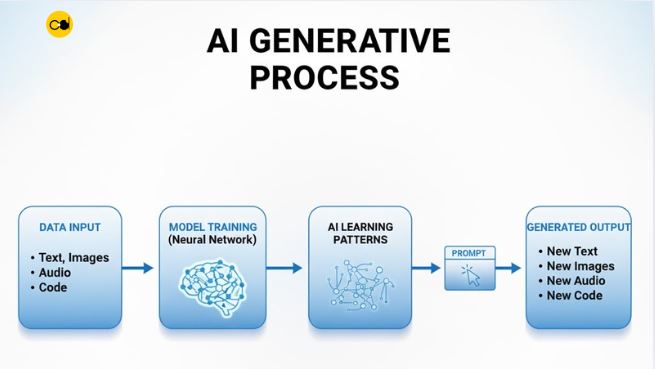
This technology is powered by advanced deep learning models systems designed to mimic how the human brain learns and makes decisions. By processing massive amounts of information, these models can interpret natural language, recognize visual elements, and respond intelligently to prompts.
The rise of Generative AI gained massive attention after tools like ChatGPT appeared in 2022, showcasing the technology’s ability to communicate, write, and solve problems naturally. Since then, businesses worldwide have been adopting Generative AI to automate tasks, improve productivity, and enhance customer experiences.
According to McKinsey, one-third of organizations already use Generative AI in at least one business area, and Gartner predicts that by 2026, over 80% of companies will integrate Generative AI applications or APIs into their operations.
What Is a Generative AI Development Company?
A Generative AI Development Company is a technology firm that specializes in building and deploying intelligent systems capable of generating new, original content from existing data. Unlike traditional AI solutions that focus mainly on data analysis, generative AI is designed to create producing text, images, music, videos, code, or even product designs that mimic human creativity.
These companies develop and train advanced AI models using large and diverse datasets. Through deep learning and neural networks, the models learn the patterns, styles, and relationships within the data. Once trained, they can generate fresh, realistic, and innovative outputs that reflect but are not identical to the original sources.
Generative AI has wide-ranging applications across multiple industries. In entertainment, it can compose music, write scripts, or create realistic visual effects. In healthcare, it supports medical research by generating synthetic data or assisting in drug discovery. In finance, it can build predictive models that forecast market movements, while in marketing, it helps produce tailored content and advertisements at scale.
The main role of a Generative AI development company is to equip organizations with AI-powered tools and custom solutions that enhance productivity, creativity, and data-driven decision making. These companies bring together expertise in machine learning, neural network architecture, and deep learning frameworks to help businesses turn complex technology into practical innovation.
How a Generative AI Development Company Builds Intelligent Solutions?
After understanding what a Generative AI Development Company is, the next question is: how do these experts actually bring AI concepts to life? Developing a generative AI system is not a single step task. It is a complex, multi stage process that combines data science, advanced machine learning, and strategic business insight.
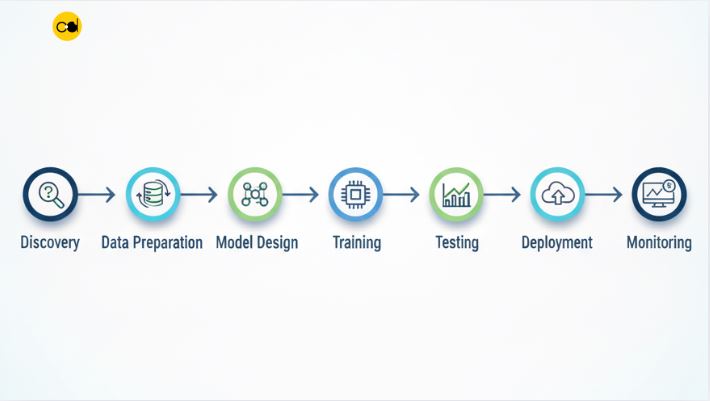
A professional Generative AI Development Company follows a clear, structured approach to turn raw data and creative ideas into intelligent systems that deliver real business value.
1. Discovery and Requirement Analysis
Every successful AI project begins with a deep understanding of business goals. The development team collaborates closely with stakeholders to identify key challenges, define measurable outcomes, and determine where generative AI can make the greatest impact whether it is automating content creation, enhancing customer interaction, or optimizing internal operations.
2. Data Collection and Preparation
High quality data is the foundation of any effective AI model. The company gathers and processes relevant datasets such as text, images, or customer records to ensure accuracy and consistency. This stage involves cleaning, labeling, and formatting data so the model can learn from reliable and representative sources.
3. Model Selection and Architecture Design
Based on the project’s goals and available data, AI engineers choose the most suitable model architecture such as transformer based models (GPT, BERT), diffusion models, or Generative Adversarial Networks (GANs). The model is designed to perform specific tasks like text generation, image synthesis, or predictive analysis.
4. Model Training and Fine Tuning
Once the model architecture is defined, it is trained on large datasets using powerful computing systems. Fine tuning with domain specific data allows the model to adapt to your industry context, producing more accurate, relevant, and creative outputs aligned with real world needs.
5. Testing and Validation
Before deployment, the AI model is rigorously tested to assess accuracy, performance, and reliability. This process includes evaluating results, identifying potential bias, and simulating different scenarios to ensure stability and ethical compliance.
6. Deployment and System Integration
After validation, the model is deployed into your existing business environment, such as web applications, chat platforms, or enterprise systems. The company ensures smooth integration through APIs or custom interfaces, delivering scalability, security, and consistent performance in production.
7. Continuous Monitoring and Optimization
Generative AI models continue to evolve over time. After deployment, the company continuously monitors system performance, collects user feedback, and retrains the model to maintain accuracy, efficiency, and alignment with changing business objectives.
In essence, this end to end development process transforms generative AI from a complex technology into a strategic business tool. By combining technical expertise with deep industry understanding, a Generative AI Development Company helps organizations harness the full potential of artificial intelligence to drive innovation, productivity, and sustainable growth.
Challenges and Considerations in Generative AI Development
While Generative AI opens up new opportunities for creativity and automation, building and deploying these systems also comes with significant challenges that businesses must carefully consider. Understanding these factors helps ensure successful implementation and long term value.
1. Data Quality and Availability
Generative AI models rely heavily on large volumes of high quality data. Poor or biased datasets can lead to inaccurate or even harmful outputs. Companies must invest in proper data collection, cleansing, and labeling processes to ensure that the AI system learns from balanced and representative information.
2. Ethical and Compliance Concerns
One of the most important considerations in Generative AI development is ethical responsibility. Businesses need to prevent issues such as plagiarism, misinformation, and privacy violations. Maintaining transparency in how AI systems generate outputs is essential for building trust among users and regulatory bodies.
3. Model Explainability and Control
Many advanced AI models operate as “black boxes,” making it difficult to understand how decisions or outputs are produced. Ensuring explainability and interpretability allows organizations to monitor model behavior, identify biases, and make responsible adjustments when needed.
4. Infrastructure and Computational Cost
Training and maintaining Generative AI models requires powerful computing infrastructure and ongoing investment. Businesses need to balance innovation goals with cost management, choosing between on premise and cloud based solutions depending on their scale and security requirements.
5. Integration and Scalability
Even the most advanced AI model is only valuable when integrated effectively into existing workflows. Companies must plan for seamless integration with their digital ecosystem, including APIs, data pipelines, and user interfaces. Scalable deployment strategies are critical to ensure consistent performance as demand grows.
6. Continuous Monitoring and Improvement
Generative AI systems are never static. They need regular updates, retraining, and performance monitoring to remain relevant and secure. Establishing feedback loops helps the AI adapt to new data patterns, user preferences, and business objectives over time.
Key Industries Leveraging Generative AI
Generative AI is reshaping multiple industries by introducing intelligent automation and creative capabilities that were once unimaginable. By leveraging these models, businesses across sectors can enhance efficiency, innovation, and customer experiences in unique ways.
1. Healthcare
In the medical field, generative AI is used to create synthetic data that supports model training without compromising patient privacy. It also accelerates drug discovery by simulating molecular interactions and predicting compound effectiveness faster than traditional methods.
2. Finance
Financial institutions use generative AI for fraud detection, market prediction, and automated reporting. By analyzing massive datasets, AI can identify suspicious patterns, forecast market trends, and generate insightful reports to aid decision-making.
3. Retail and eCommerce
Generative AI personalizes the shopping journey with tailored product recommendations, automated content generation, and visual product designs. It also supports virtual try-on experiences and targeted marketing, enhancing customer engagement and conversion rates.
4. Manufacturing
In manufacturing, AI-driven simulations and generative design help optimize production processes, reduce waste, and improve supply chain planning. Generative models can also explore countless design variations, helping engineers find the most efficient solutions.
5. Entertainment and Media
From generating scripts and composing music to creating visual artwork and digital avatars, generative AI empowers artists and media creators to produce high-quality content faster. It expands creative possibilities and supports scalable content production.
As these industries continue to adopt Generative AI, the demand for specialized expertise becomes even more critical. Developing and maintaining these systems requires deep technical knowledge, access to high quality data, and a strategic understanding of business objectives. This is where a Generative AI Development Company plays a vital role, helping organizations transform innovative ideas into reliable, scalable, and ethical AI solutions that drive real business impact.
How a Generative AI Development Company Helps Businesses?
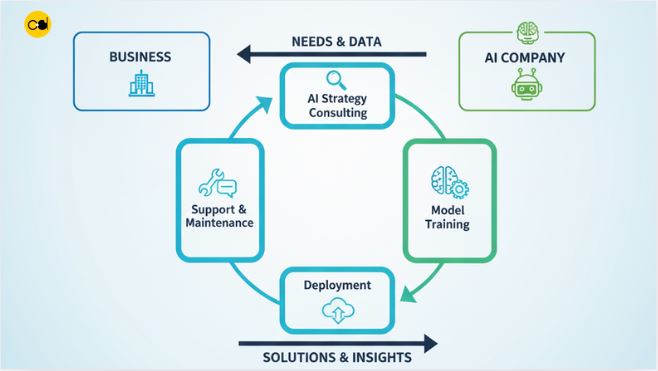
Generative AI is reshaping the way modern companies operate, innovate, and connect with their customers. It enables businesses to automate creative and analytical tasks, unlock new levels of efficiency, and maintain a strong competitive edge. Below are several ways this technology can add real value to your organization.
1. Smarter Content Creation
One of the most practical and exciting uses of Generative AI is in creating content. These advanced models can produce high quality articles, product descriptions, marketing copy, and even social media posts with remarkable accuracy and consistency.
By adopting AI powered content generation, businesses can maintain a steady stream of fresh ideas without overloading their teams. For instance, AI can write personalized product descriptions or email campaigns that reflect the brand’s unique tone and message, helping companies engage customers more effectively.
2. Personalized Customer Experiences
Generative AI allows businesses to deliver deeply personalized experiences by learning from customer data and preferences.
In retail or e-commerce, AI can suggest relevant products, craft targeted promotions, or create individualized shopping journeys. This not only improves customer satisfaction but also increases conversion rates and brand loyalty.
3. Innovation in Product Design
Across industries such as fashion, manufacturing, and technology, Generative AI is becoming a valuable tool for design and innovation. By analyzing patterns from past designs and market feedback, it can propose fresh product concepts that match customer demand and current trends.
For example, car manufacturers use AI to create vehicle designs that balance performance, safety, and aesthetic appeal, while fashion brands rely on it to design collections that resonate with specific audiences. This speeds up development cycles and fosters a culture of innovation.
4. Better Decision Making
Generative AI supports smarter business decisions by turning data into meaningful insights. It can identify trends, simulate outcomes, and generate predictive models that guide strategic planning.
In finance, it can forecast market changes or suggest portfolio adjustments. In logistics, it helps improve inventory management and supply chain performance, reducing costs and minimizing risks.
5. Enhanced Customer Support
AI driven chatbots and virtual assistants have become essential in customer service. With Generative AI, these systems can deliver more accurate, natural, and context aware conversations.
Instead of relying on scripted answers, they understand intent and respond like a human agent, improving response quality and customer satisfaction while reducing the need for manual support.
6. Increased Efficiency and Cost Savings
By automating repetitive and time consuming tasks, Generative AI helps businesses cut costs and improve overall productivity.
In areas like marketing, data processing, and manufacturing, AI can optimize workflows, detect inefficiencies, and recommend process improvements. This not only saves money but also allows teams to focus on strategic growth and innovation.
Why Partnering with a Generative AI Development Company Is Better Than Building In-House?
While many businesses recognize the transformative potential of Generative AI, developing and deploying such systems internally often proves to be more challenging than expected. Building an in-house AI solution requires significant time, talent, and investment—resources that most organizations cannot easily allocate.
Partnering with a specialized Generative AI Development Company, on the other hand, allows businesses to leverage proven expertise, advanced infrastructure, and scalable services for faster and more reliable results.
| Aspect | In-House Development | Partnering with a Generative AI Company |
| Expertise | Limited AI capabilities that require months of training and experimentation | Access to experienced AI engineers, data scientists, and domain experts |
| Cost | High upfront investment in hiring, training, and infrastructure | Cost-efficient model with scalable engagement based on project needs |
| Speed | Slower deployment due to setup, testing, and resource limitations | Faster time-to-market using prebuilt frameworks and optimized pipelines |
| Maintenance | Requires dedicated teams for updates, monitoring, and model retraining | Continuous support, fine-tuning, and improvement handled by experts |
By choosing to collaborate with an experienced Generative AI Development Company, businesses gain a strategic advantage by accelerating innovation while reducing risks, costs, and operational overhead.
Conclusion
Generative AI is no longer a futuristic concept; it is a transformative force that is reshaping how businesses innovate, create, and operate. From delivering personalized customer experiences to optimizing workflows and discovering new revenue opportunities, its potential is truly limitless.
However, turning that potential into real business value requires more than just advanced technology. It takes the right expertise, ethical awareness, and a strategic long-term vision. This is where a Generative AI Development Company plays a crucial role, helping organizations harness AI responsibly, efficiently, and at scale.
If your business is ready to unlock the power of Generative AI, consider partnering with a trusted expert like ONEXT DIGITAL. Our experienced team of AI engineers and data scientists will help you design, build, and deploy intelligent solutions that align perfectly with your business goals, enabling your organization to lead confidently in the new era of intelligent innovation.
FAQs About Generative AI Development Companies
As Generative AI continues to reshape industries and business operations, many organizations still have questions about how to implement it effectively and responsibly. Below are some of the most frequently asked questions to help you better understand what a Generative AI Development Company does, how it works, and why it can be a game-changer for your business.
1. What does a Generative AI Development Company do?
A Generative AI Development Company designs, builds, and deploys AI models that can generate new and original content such as text, images, or code. These companies help organizations integrate AI into their business processes to improve creativity, automation, and efficiency.
2. How is Generative AI different from traditional AI?
Traditional AI focuses on analyzing and predicting outcomes from existing data, while Generative AI creates new outputs by understanding patterns and relationships within data. This makes it ideal for tasks that require originality and human-like creativity.
3. What are the main challenges in developing Generative AI solutions?
Key challenges include ensuring data quality, avoiding bias, managing computational costs, maintaining ethical compliance, and continuously updating AI models to keep up with evolving datasets and regulations.
4. Which industries benefit the most from Generative AI?
Generative AI is transforming industries such as healthcare, finance, retail, manufacturing, and entertainment by enabling tasks like medical data generation, fraud detection, product design optimization, and automated content creation.
5. Why should a business partner with a Generative AI Development Company instead of building in-house?
Partnering provides access to experienced AI engineers, scalable infrastructure, and proven frameworks that accelerate deployment and reduce costs. It eliminates the need for heavy investment in specialized talent and technical infrastructure.
6. How can businesses ensure ethical and responsible use of Generative AI?
Companies must adopt transparent development practices, use unbiased data, and comply with copyright, privacy, and data protection standards to ensure ethical use of AI-generated content.