
 Services
 Solutions
 Main platform
 Technology
 White Label
  Offshore
 Hire developers



Medical software development is transforming healthcare in 2025, enabling hospitals, clinics, and startups to deliver better patient care, improve operational efficiency, and support remote health monitoring. From electronic health records (EHR) and telemedicine platforms to AI-powered diagnostic tools, demand for innovative medical software continues to grow. According to Grand View Research, the global healthcare software market is expected to reach $22.5 billion by 2025, reflecting strong growth fueled by digitalization, cloud adoption, and stricter regulatory requirements.
Developing medical software, however, involves more than coding it requires strict compliance with regulations like HIPAA, GDPR, FDA, and IEC 62304, ensuring data security, interoperability standards such as HL7 and FHIR, and delivering a user-friendly experience for both healthcare providers and patients. Proper planning, technology selection, and cost management are essential to create software that is both effective and sustainable.
This guide provides a comprehensive overview of medical software development in 2025, covering types of software, development processes, compliance, costs, architecture, ROI, and emerging trends. Whether you are a healthcare startup, hospital, or software vendor, this guide offers actionable insights to build reliable, compliant, and future-ready medical software solutions.
What is Medical Software Development?
Medical software development involves creating software applications that support clinical, administrative, and patient-focused healthcare activities. These solutions include Software as a Medical Device (SaMD), Electronic Health Records (EHR), Electronic Medical Records (EMR), patient apps, telemedicine platforms, and hospital management systems. Each type serves a specific purpose: SaMD provides diagnostic or therapeutic functions, EHR and EMR manage patient data securely, patient apps enable engagement and remote monitoring, telemedicine platforms allow virtual consultations, and hospital management systems optimize operational workflows.
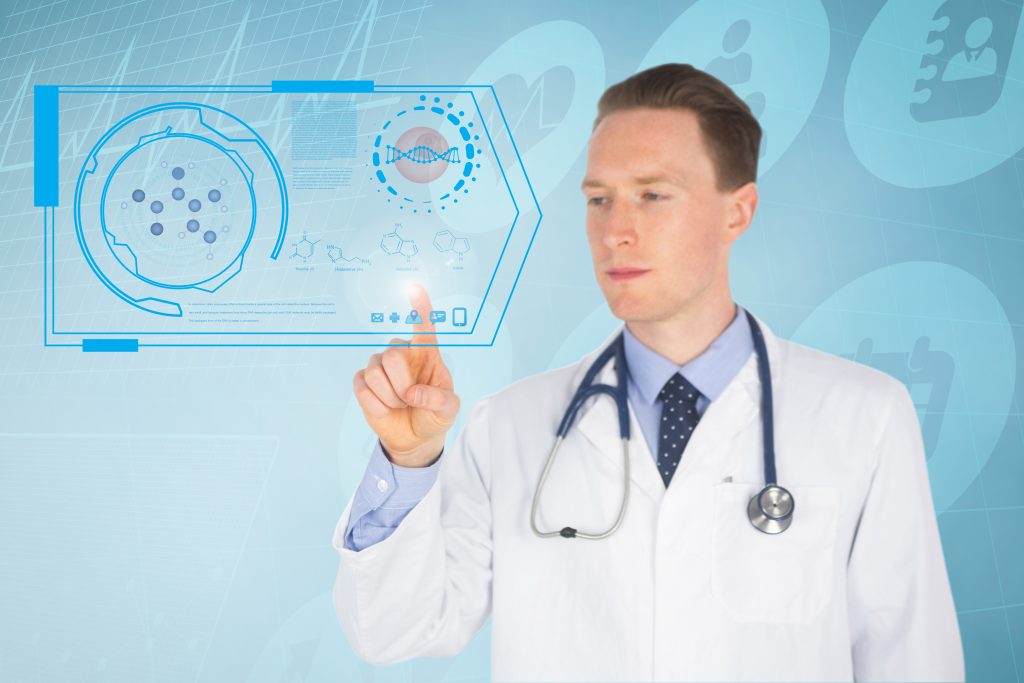
It’s important to distinguish medical software from broader healthcare software. Medical software directly impacts patient care and must comply with stringent regulatory standards such as HIPAA, GDPR, FDA, and IEC 62304. In contrast, general healthcare software can include administrative tools, scheduling systems, or wellness apps that do not necessarily influence clinical outcomes. This distinction determines the development approach, testing requirements, and compliance obligations.
Infographic suggestion: “Types of Medical Software” – visually categorize software into:
- SaMD (diagnostics, therapeutic apps)
- EHR / EMR (data management)
- Patient Apps (engagement, monitoring)
- Telemedicine Platforms (virtual consultations)
- Hospital Management Systems (administrative and operational tools)
Understanding the scope and classification of medical software is essential for developers, healthcare providers, and technology vendors. It lays the foundation for building solutions that are not only functional but also compliant, secure, and aligned with modern healthcare needs.
Key Types of Medical Software
Medical software encompasses a variety of solutions, each designed to address specific needs in healthcare delivery, patient management, and clinical operations. Understanding these key types helps healthcare providers and developers choose the right tools for their objectives.
1. Software as a Medical Device (SaMD)
SaMD refers to software intended to perform medical functions independently of a physical device, such as diagnostic, monitoring, or therapeutic applications.
Pros:
- Enables AI-driven diagnostics and predictive analytics
- Can improve clinical decision-making
- Regulatory compliant if developed under FDA or IEC 62304 standards
Cons:
- High development complexity
- Requires rigorous clinical validation
- Regulatory approval can be time-consuming
SaMD examples:
- AliveCor Kardia
- IDx-DR
- Viz.ai
2. Electronic Health Records (EHR)
EHR systems form the digital backbone of modern healthcare, replacing paper records with centralized patient data. They manage medical histories, prescriptions, lab results, and treatment plans, enabling seamless access for healthcare professionals.
Pros:
- Centralized, instant access to patient records
- Reduced documentation errors
- Enhanced care coordination
- HIPAA compliance
Cons:
- High implementation costs
- Requires staff training
- Potential security risks
EHR software examples:
- Epic
- Cerner
- Meditech
3. Electronic Medical Records (EMR)
EMR systems focus on patient data within a single healthcare organization. They are often considered a subset of EHR but primarily used for internal clinical purposes.
Pros:
- Streamlines internal patient data management
- Supports basic reporting and analytics
- Improves clinical workflow
Cons:
- Limited interoperability with other facilities
- Data sharing restrictions
- May require manual data transfer for broader reporting
EMR software examples:
- eClinicalWorks
- NextGen Healthcare
- Practice Fusion
4. Patient Engagement Apps
Patient apps allow individuals to track health metrics, schedule appointments, and communicate with providers remotely.
Pros:
- Increases patient adherence and engagement
- Facilitates remote monitoring
- Enhances patient satisfaction and outcomes
Cons:
- Varying user adoption rates
- Requires integration with EHR systems
- Privacy concerns if not properly secured
Patient app examples:
- MyChart
- HealthTap
- Medisafe
5. Telemedicine Platforms
These platforms provide virtual consultations and remote patient care, crucial for chronic disease management and expanding access.
Pros:
- Reduces travel and wait times
- Supports continuous patient monitoring
- Scalable for large patient populations
Cons:
- Internet connectivity dependence
- Limited physical examination capabilities
- Regulatory and reimbursement challenges
Telemedicine platform examples:
- Teladoc
- Amwell
- Doxy.me
6. Hospital Management Systems
These software solutions optimize hospital operations, including scheduling, billing, inventory, and staff management.
Pros:
- Streamlines administrative workflows
- Improves operational efficiency
- Integrates multiple departments
Cons:
- Implementation can be expensive and time-consuming
- Requires staff training
- May need customization for complex hospitals
Hospital management examples:
- Meditech Expanse
- SAP Healthcare
- Oracle Healthcare
Step-by-Step Process of Developing a Medical Software
Developing medical software is far more than writing code it is a meticulous, multi-stage journey that blends technology, compliance, and healthcare expertise. Each stage must be carefully planned and executed to ensure the final product is safe, effective, and fully compliant with regulatory standards.
Step 1: Research & Requirement Analysis
The foundation of any successful medical software project begins with a deep understanding of its users whether hospitals, clinics, healthcare staff, or patients. This stage involves:
- Gathering functional requirements, from diagnostic tools and EHR management to telemedicine features.
- Defining strict compliance requirements aligned with HIPAA, GDPR, FDA, and IEC 62304.
- Conducting competitive analysis and feasibility studies to identify opportunities and potential challenges.
Step 2: Design & Architecture
Design in medical software is both an art and a science. Key considerations include:
- UI/UX design tailored to clinicians and patients for intuitive interaction.
- System architecture choices: cloud-based vs on-premise, microservices vs monolithic, database selection.
- Interoperability integration using standards such as HL7, FHIR, and DICOM for seamless data exchange.
- Creation of wireframes, prototypes, and architectural diagrams to visualize the software structure.
Step 3: Compliance & Regulatory Planning
Regulatory compliance is non-negotiable. This stage ensures:
- Detailed validation and verification activities are planned.
- Risk management strategies are implemented in accordance with ISO 14971.
- Robust security measures, encryption, and audit trails safeguard sensitive patient data.
Step 4: Development & Testing
The development phase transforms designs into functional software through:
- Agile methodologies with iterative builds and continuous feedback.
- Unit, integration, and system testing to ensure reliability.
- Clinical validation for diagnostic or therapeutic tools.
- Continuous monitoring of code quality and security.
Step 5: Deployment & Maintenance
A carefully orchestrated deployment guarantees stability and adoption:
- Rollout in a controlled environment with staff training and support.
- Ongoing performance monitoring, user feedback collection, and software updates.
- Continuous compliance checks as regulations evolve.
Pro tips for quality and compliance:
- Maintain comprehensive documentation for audits and regulatory inspections.
- Incorporate automated testing and monitoring tools.
- Plan for scalability to handle growing patient data and evolving workflows.
- Regularly update security protocols to guard against emerging threats.
By following this structured and thorough process, medical software can not only meet functional and regulatory requirements but also deliver a seamless, reliable, and user-friendly experience for both healthcare providers and patients.
Regulatory & Compliance in 2025

In the rapidly evolving digital healthcare landscape, regulatory compliance has become a non-negotiable cornerstone for medical software development. Compliance not only ensures patient safety but also establishes market credibility and mitigates substantial legal risks. By 2025, medical software developers must navigate a complex web of international standards, regional laws, and data protection regulations to bring their products to global markets safely and efficiently.
1. Key Standards and Guidelines
- IEC 62304: This international standard governs the software lifecycle for medical devices, covering requirements, design, testing, and maintenance. It is mandatory for most Software as a Medical Device (SaMD).
- ISO 13485: Provides quality management system guidelines for medical devices, including software, ensuring every step from design to deployment is rigorously controlled.
- SaMD Guidelines: Issued by the FDA and other regulatory bodies, these focus specifically on software used as medical devices, emphasizing safety and effectiveness.
- HIPAA (US): Protects personal health information, requiring encryption, access controls, and breach reporting.
- GDPR (EU): Protects personal data of EU citizens, including healthcare information, and enforces strict consent and transparency measures.
- APAC Requirements: Countries such as Singapore, Japan, and South Korea have developed regional frameworks, combining international standards with local regulations.
2. Regional Compliance Comparison
| Region | Key Standards & Laws | Highlights | Special Requirements |
|---|---|---|---|
| US | FDA SaMD Guidance, HIPAA | SaMD development must comply with FDA; HIPAA protects patient data | Risk management, software validation, breach reporting |
| EU | MDR (Medical Device Regulation), GDPR, IEC 62304 | MDR governs the entire lifecycle; GDPR ensures patient data protection | Clinical evaluation, post-market surveillance, data minimization |
| APAC | ISO 13485, IEC 62304, Local Health Acts (Singapore, Japan, Korea) | Combines international standards with local laws; emphasis on interoperability & security | Regional approvals, local language labeling, data residency requirements |
3. The Importance of Compliance in 2025
Compliance is not merely a legal requirement it is a strategic advantage. Medical software that adheres to global standards offers:
- Reduced risk of legal penalties and lawsuits
- Faster market approval and clearance
- Increased trust among hospitals, clinics, and patients
Moreover, regulatory adherence encourages robust internal processes, from UI/UX design to maintenance and software updates, ensuring solutions remain safe, scalable, and future-proof.
Cost & ROI of Medical Software Development
Developing medical software is not only a technical endeavor it is a strategic investment. Understanding the costs and expected returns is critical for hospitals, clinics, and startups planning to deploy solutions that are safe, compliant, and scalable. In 2025, development costs are influenced by several factors, including regulatory requirements, technical complexity, deployment models, and regional labor rates.
1. Key Factors Affecting Development Costs
- Complexity of the Software:
Advanced AI diagnostic tools, real-time telemedicine platforms, or interoperable EHR systems require more development time and specialized expertise, driving up costs.
- Regulatory Compliance:
Ensuring HIPAA, GDPR, FDA, or IEC 62304 compliance adds additional layers of testing, documentation, and security measures, which directly impacts budget and timeline.
- Technology Stack & Architecture:
Cloud-based solutions, AI/ML integration, IoT connectivity, or multi-platform compatibility increase development scope and infrastructure costs.
- Region & Labor Rates:
Development costs vary significantly across regions North America and Western Europe are more expensive than Southeast Asia or Eastern Europe, while still maintaining quality through outsourcing options.
2. Estimated Cost Ranges (2025)
| Type of Software | MVP / Small-Scale | Enterprise / Large-Scale | Notes |
|---|---|---|---|
| EHR / EMR System | $50,000 – $120,000 | $250,000 – $1,000,000+ | Cost rises with interoperability & customization |
| Telemedicine Platform | $40,000 – $100,000 | $200,000 – $600,000 | Includes video integration, patient scheduling, compliance layers |
| AI Diagnostic Tool | $70,000 – $150,000 | $300,000 – $900,000 | Costs depend on AI training datasets & FDA validation |
| Wearable / IoT Integration | $60,000 – $130,000 | $250,000 – $800,000 | Connectivity and sensor integration increase complexity |
3. ROI Considerations
Investing in medical software yields measurable benefits beyond direct revenue:
For Hospitals & Clinics:
- Reduced administrative workload and errors
- Faster patient throughput and improved clinical outcomes
- Enhanced patient satisfaction and retention
For Startups & Health Tech Companies:
- Faster go-to-market with compliant solutions
- Competitive differentiation through advanced features
- Scalable revenue streams from subscription-based SaaS or licensing models
| Stakeholder | Key ROI Metrics | Notes |
|---|---|---|
| Hospitals / Clinics | Reduced operational costs (10–30%), improved patient throughput | ROI often realized within 1–2 years |
| Startups / Health Tech | Faster adoption, higher user retention, potential licensing revenue | Compliance and reliability increase market valuation |
4. Interactive Tools
A mini cost calculator can be embedded to help decision-makers estimate development costs based on software type, region, and complexity. This interactive element increases user engagement and time on page, which is beneficial for SEO and UX.
Common Challenges & How to Overcome

Developing medical software is a complex journey filled with technical, regulatory, and operational challenges. Recognizing these obstacles early and applying best practices can make the difference between a compliant, scalable solution and a costly, delayed project.
1. Data Security & Patient Privacy
Challenge: Protecting sensitive patient data is paramount. Breaches can lead to legal penalties, loss of trust, and reputational damage.
Solution:
- Implement end-to-end encryption for data at rest and in transit.
- Apply strict access controls and role-based permissions.
- Regularly audit systems and comply with HIPAA, GDPR, and local regulations.
- Conduct penetration testing and vulnerability assessments.
2. Scalability & Performance
Challenge: Medical software must handle increasing numbers of users, high-frequency data, and integration with multiple devices without performance degradation.
Solution:
- Adopt cloud-native or hybrid architectures to scale resources dynamically.
- Optimize database queries and use caching for high-demand modules.
- Monitor system performance continuously and plan for peak loads.
3. Interoperability Issues
Challenge: Integrating with existing EHRs, imaging devices, wearables, and other third-party systems is often difficult due to varying standards and proprietary protocols.
Solution:
- Use established standards like HL7, FHIR, and DICOM.
- Design flexible APIs and modular architecture to support future integrations.
- Test integration with all target systems early in development.
4. Keeping Up with Regulations
Challenge: Regulatory requirements evolve constantly, and non-compliance can halt deployments or trigger fines.
Solution:
- Maintain a dedicated compliance team or consultant.
- Track updates from FDA, MDR, HIPAA, GDPR, and local APAC laws.
- Automate documentation, reporting, and audit trails where possible.
5. User Adoption & Training
Challenge: Even a technically flawless system fails if users (clinicians, nurses, or patients) do not adopt it properly.
Solution:
- Conduct user-centric design and gather feedback early.
- Provide comprehensive training and onboarding materials.
- Implement intuitive interfaces and in-app guidance to reduce errors.
How to Choose the Right Medical Software Vendor
Choosing the right vendor is one of the most critical decisions in medical software development. The right partner not only delivers high-quality solutions but also ensures compliance, scalability, and long-term ROI. Here’s a strategic approach to selecting the ideal vendor in 2025.
1. Assess Experience and Track Record
- Look for vendors with proven expertise in SaMD, EHR/EMR systems, telemedicine, or AI diagnostics.
- Review case studies, portfolios, and client testimonials to verify capabilities and relevance to your project.
2. Verify Regulatory & Compliance Expertise
- Ensure the vendor is knowledgeable about HIPAA, GDPR, FDA, IEC 62304, and any local regulations relevant to your region.
- Check if they provide compliance documentation, audit support, and risk management strategies.
3. Evaluate Technical Skills and Technology Stack
- Assess proficiency in cloud and on-premise architectures, AI/ML integration, IoT connectivity, and interoperability standards (HL7, FHIR, DICOM).
- Confirm experience with scalable, secure, and modular architectures that can evolve with your needs.
4. Review Support, Maintenance, and Communication
- Post-launch support is critical: ensure the vendor offers updates, troubleshooting, and training.
- Evaluate project management practices and responsiveness, especially for remote or international teams.
5. Compare Costs, ROI, and Delivery Models
- Request transparent cost estimates for both MVP and full-scale solutions.
- Discuss potential ROI for hospitals, clinics, or startups, considering operational efficiency and revenue impact.
International vs Local Vendors
| Factor | International Vendors | Local Vendors |
|---|---|---|
| Expertise | Broad experience across multiple regions and compliance frameworks | Strong knowledge of local regulations and healthcare environment |
| Cost | Higher rates but access to top-tier talent | Lower cost, easier collaboration and communication |
| Communication | May face timezone and cultural barriers | Real-time collaboration, faster feedback loops |
| Scalability | Large teams for enterprise-scale projects | Smaller teams, may limit complex deployments |
| Regulatory Support | Experienced with multi-region compliance | Strong local compliance, may need guidance for international markets |
Outsourcing vs In-House Development
- Outsourcing Advantages: Access to specialized talent, faster delivery, flexibility in scaling resources.
- Outsourcing Considerations: Requires strong project management, clear specifications, and compliance oversight.
- In-House Advantages: Direct control, seamless collaboration, faster internal iterations.
- In-House Considerations: Higher upfront cost, limited specialized expertise, longer hiring cycles.
By following this strategic approach, organizations can confidently choose a vendor who delivers high-quality, compliant, and scalable medical software, while minimizing risk and maximizing ROI.
Future Trends in Medical Software Development (2025–2030)

The future of medical software is set to be driven by AI-powered diagnostics, personalized medicine, blockchain-enabled patient records, and an interconnected telehealth ecosystem. By 2030, these innovations will redefine patient care, operational efficiency, and healthcare delivery models globally.
1. AI-Powered Diagnostics
Artificial intelligence is set to revolutionize diagnostic processes, enabling faster and more accurate detection of diseases. Advanced machine learning models will assist clinicians in interpreting complex data from medical imaging to genomics reducing human error and improving treatment outcomes.
Key Benefits:
- Accelerated early disease detection
- Automated risk assessment and prioritization
- Reduced diagnostic errors and enhanced clinical efficiency
2. Personalized Medicine
Medical software will increasingly enable tailored healthcare based on an individual’s genetic makeup, lifestyle, and environmental factors. Platforms will integrate EHR data, wearable device metrics, and genomic insights to deliver highly customized treatment plans.
Key Benefits:
- Optimized drug prescriptions and therapy selection
- Improved patient adherence and outcomes
- Reduced unnecessary interventions and costs
3. Blockchain-Enabled Patient Records
Blockchain technology promises secure, transparent, and tamper-proof health records. Patients gain full control over their data, while hospitals, insurers, and researchers can access verified information with confidence.
Key Benefits:
- Enhanced data security and privacy
- Seamless sharing of medical records across institutions
- Auditable and compliant digital health infrastructure
4. Telehealth Ecosystem Evolution
Telehealth will expand into fully integrated care ecosystems, connecting virtual consultations, remote monitoring devices, AI-driven triage, and digital pharmacies. This approach enhances accessibility, reduces operational costs, and enables continuous patient engagement.
Key Benefits:
- Real-time remote monitoring for chronic disease management
- Reduced hospital visits and readmissions
- Improved patient engagement and satisfaction
In Summary
Medical software in 2025 is shaping the future of healthcare, driven by AI diagnostics, telehealth, wearable integration, and blockchain patient records. Success depends on regulatory compliance, scalable architecture, interoperability, and user-centered design. By addressing common challenges such as data security, scalability, and adoption organizations can deliver solutions that enhance patient care, optimize operations, and provide measurable ROI.
Partnering with a trusted development team ensures these outcomes. ONEXT DIGITAL specializes in end-to-end medical software development, offering custom solutions, compliance support, and scalable technology to meet hospitals, clinics, and health tech startups’ needs.
Medical Software Development FAQs
Here are some common FAQs:
1. What is the cost of developing medical software in 2025?
Costs vary by complexity, compliance requirements, and deployment scale. MVPs can range from $40,000–$150,000, while enterprise solutions may exceed $1 million.
2. How do I ensure regulatory compliance?
Work with vendors experienced in HIPAA, GDPR, FDA, IEC 62304, and local regulations. Implement secure data management, auditing, and documentation practices.
3. What are the main challenges in medical software development?
Common challenges include data security, interoperability, scalability, user adoption, and keeping up with evolving regulations.
4. Which technology stack is best for medical software?
Scalable architectures with cloud or hybrid deployment, AI/ML frameworks, IoT integration, and interoperability standards (HL7, FHIR, DICOM) are recommended.
5. How do I choose the right vendor?
Assess experience, regulatory expertise, technical capabilities, support, and cost transparency. Compare international vs local vendors and consider outsourcing vs in-house development.