Businessman holding tablet and showing a growing virtual hologram of statistics, graph and chart with arrow up on dark background. Stock market. Business growth, planing and strategy concept.
With competitive pricing and excellent services, we are a trusted offshore web development partner offering high-quality solutions at competitive rates, based in Vietnam
Top 10 ERP Software for Retailers in 2025: Complete Guide
Back
Retail in 2025 is moving faster than ever. Global eCommerce sales are projected to surpass $7.3 trillion, making up nearly 25% of total retail sales. At the same time, 85% of new ERP solutions now integrate AI, helping businesses streamline operations and cut costs by up to 30%.
With growing pressures on inventory control, omnichannel integration, and customer experience, retail ERP software is no longer optional, it’s essential. The right ERP can track inventory in real time, automate orders and accounting, and forecast demand with AI precision.
In this guide, we’ll explore the Top 10 ERP software for retailers in 2025 so you can choose the perfect fit to boost efficiency and drive sustainable growth.
What is ERP Software for Retailers?
ERP software for retailers is a centralized management system that connects and synchronizes all key operations in retail businesses, including inventory management, sales, accounting, marketing, and customer service. Instead of using separate tools for each department, ERP integrates everything into a single platform, ensuring data accuracy and real-time updates.
1. A simple example:
Imagine you run a chain of clothing stores. With ERP, you can:
Monitor inventory levels across all branches.
Manage orders from both physical stores and online channels.
Track revenue, profit, and expenses with just a few clicks.
Send personalized promotions to customers based on their purchase history.
All of this happens within one unified platform, saving time, reducing errors, and improving operational efficiency.
2. The difference between ERP and POS
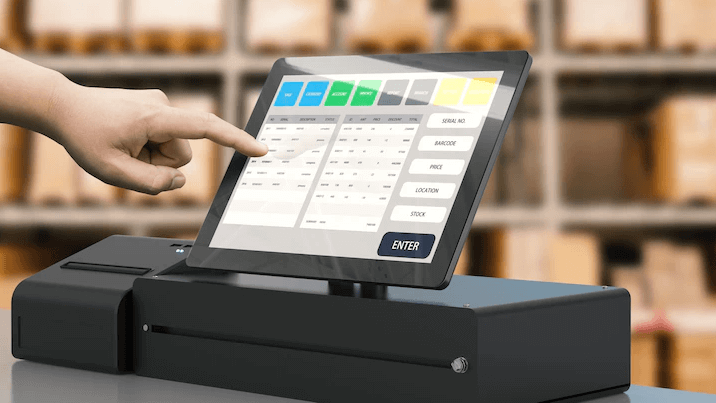
POS (Point of Sale) is mainly designed to process sales transactions at checkout, such as scanning items, taking payments, and printing receipts.
ERP goes beyond that it covers sales, supply chain, inventory, accounting, HR, marketing, and analytics. A POS system can be integrated into an ERP, but ERP is a far more comprehensive solution.
Simply put, if POS is the “cashier’s arm,” then ERP is the “brain” that controls the entire retail operation.
Key Benefits of ERP for Retailers
ERP software provides retailers with numerous advantages, helping to streamline operations, boost efficiency, and enhance customer experiences. Its key benefits include improved inventory control, stronger financial management, and better customer relationship management. Additionally, ERP systems deliver real-time insights, support supply chain coordination, and scale with business growth.
Detailed Benefits of ERP:
1. Enhanced Inventory Management
Real-time Tracking: ERP systems offer up-to-date inventory data, preventing stockouts and overstock situations.
Automated Reordering: When inventory reaches a preset threshold, the system can automatically generate purchase orders to maintain optimal stock levels.
Waste Reduction: Accurate tracking minimizes losses from spoilage or outdated products.
2. Improved Financial Management
Accurate Accounting: ERP automates accounting processes, reducing errors and ensuring precision.
Streamlined Workflows: From purchase orders to sales transactions, financial processes are simplified.
Comprehensive Reporting: Detailed reports enable better analysis and decision-making.
3. Better Customer Experience
Personalized Service: Consolidated customer data allows for tailored recommendations and promotions.
Faster Order Fulfillment: Efficient inventory and order management speeds up delivery.
Automated Compliance: ERP can manage compliance tasks, ensuring adherence to industry regulations.
Data Security: Robust security features protect sensitive customer and business data.
Top 10 ERP Software for Retailers in 2025
Choosing the right ERP software can transform how a retail business operates from inventory control to customer engagement. In 2025, retailers have more powerful, flexible, and industry-focused options than ever. Here’s a closer look at ten leading ERP solutions making the biggest impact this year.
1. NetSuite
NetSuite is a cloud-based ERP known for its all-in-one approach, combining financial management, CRM, e-commerce, and inventory tools in one system.
Ideal for multi-channel retailers with complex operations and high transaction volumes.
Centralizes inventory, sales, and customer data across online and offline channels.
Offers advanced analytics for better forecasting and decision-making.
2. Microsoft Dynamics 365
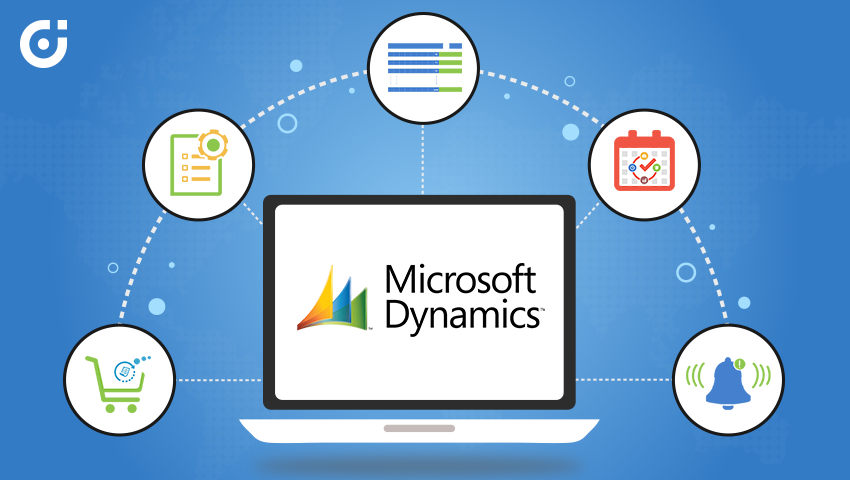
Microsoft Dynamics 365 delivers a modular ERP approach, letting retailers choose exactly what they need from finance and sales to supply chain and customer service.
Integrates seamlessly with Microsoft tools like Power BI and Teams for analytics and collaboration.
Flexible and scalable to suit both small boutique retailers and global chains.
Strong AI-driven insights for demand planning and customer engagement.
3. Acumatica
Acumatica is a modern, cloud-first ERP built with industry-specific capabilities for retail.
Combines inventory management, POS integration, and CRM in a customizable platform.
Scales easily as retail operations grow, with no per-user licensing restrictions.
Known for its user-friendly interface and easy adaptation to unique workflows.
SAP S/4HANA is a high-performance ERP designed for large, complex retail organizations.
Offers deep supply chain optimization, financial control, and customer management.
Processes massive datasets in real time for fast, informed decision-making.
Trusted by global brands for its analytics power and operational reliability.
5. Epicor
Epicor provides ERP solutions that blend retail, distribution, and manufacturing capabilities.
Features include inventory tracking, supply chain coordination, and sales order processing.
Highly configurable to fit different retail formats and distribution models.
Recognized for industry-specific expertise and integration flexibility.
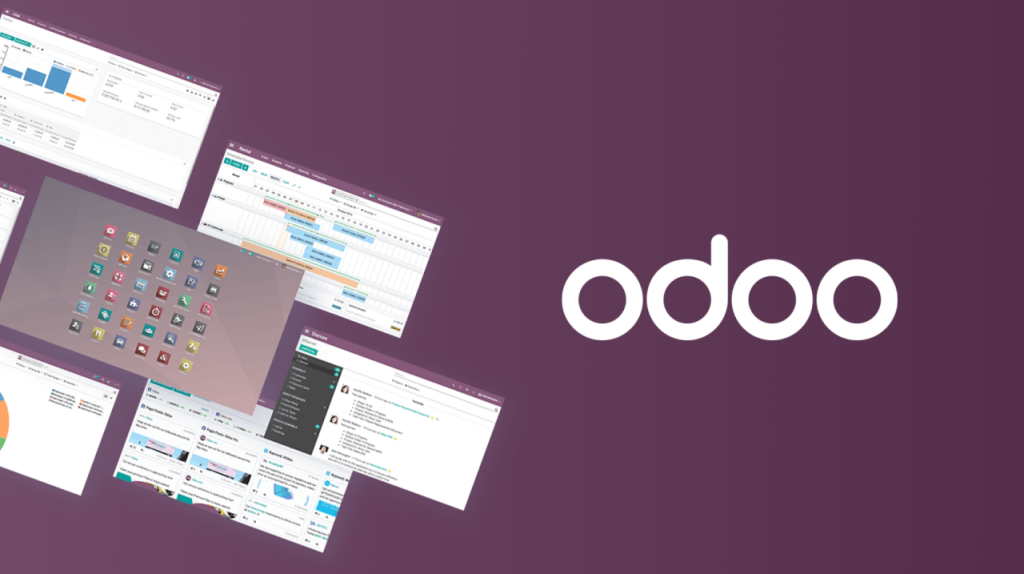
6. Odoo
Odoo is an open-source ERP offering unmatched customization for retailers.
Includes modules for sales, inventory, CRM, accounting, and marketing.
Flexible enough for both small shops and large retail enterprises.
Its open-source model makes it budget-friendly and adaptable to niche needs.
7. Infor CloudSuite Retail
Infor CloudSuite Retail is purpose-built for the retail industry, focusing on operational precision.
Delivers demand forecasting, inventory optimization, and supply chain visibility.
Integrates with Infor’s other business tools for a connected retail ecosystem.
Well-suited for managing complex, multi-location retail networks.
8. Oracle Retail
Oracle Retail provides a robust suite for merchandising, supply chain, and customer engagement.
Offers AI-powered demand forecasting and pricing optimization.
Designed for large-scale retail operations with global reach.
Strong e-commerce and omnichannel integration.
9. Lightspeed Retail
Lightspeed Retail is a cloud-based ERP-POS hybrid built for modern retail experiences.
Combines POS transactions with inventory, customer data, and analytics in one platform.
Ideal for small to mid-sized retailers looking for ease of use and quick deployment.
Supports omnichannel sales, including online store integration.
10. Retail Pro
Retail Pro specializes in ERP solutions for specialty retailers with unique operational needs.
Offers deep inventory management, CRM, and promotions tools
Strong reporting and analytics to track performance by location or product line.
Designed for scalability across multiple store formats and geographies.
Comparison Chart: Best Retail ERP Software in 2025
ERP Software
Best For
Key Feature
Pricing
Microsoft Dynamics 365
Large retailers, omnichannel
AI-driven insights, modular automation
$180/user/month
SAP S/4HANA Retail
Global enterprises
Real-time analytics, AI-powered demand planning
Custom pricing
Oracle NetSuite
Mid-sized retailers, eCommerce
Omnichannel management, AI-based forecasting
Starts at $999/month
Acumatica Retail ERP
Cost-effective cloud ERP
Mobile-friendly access, AI analytics
Usage-based pricing
Epicor Retail ERP
Specialty retailers, franchises
AI customer segmentation, inventory optimization
Custom pricing
Infor CloudSuite Retail
AI-powered retail analytics
Smart warehouse tools, fraud detection
Custom pricing
Retail Pro
Brick-and-mortar, specialty retail
POS-driven retail and inventory control
Custom pricing
Odoo Retail ERP
Startups, budget-conscious retailers
Open-source platform, AI chatbot integration
Free basic; from $24/user/month
Brightpearl
High-growth retailers
Automation-first retail management
Custom pricing
Lightspeed Retail
Small to mid-sized retailers
POS-first platform with e-commerce integration
From $89/month
How to Select the Best ERP Software for Your Retail Business
To select the right ERP software for your retail business, it’s essential to carefully analyze your specific business requirements, consider factors such as features, scalability, and integration capabilities, and evaluate potential vendors based on their experience, support, and pricing.
1. Identify Your Business Needs
Pinpoint core processes: Determine which areas of your business require improvement, such as inventory management, order fulfillment, customer relationship management (CRM), or point-of-sale (POS) systems.
Plan for future growth: Choose a system that can scale with your business as you expand product lines, open new locations, or increase your customer base.
Review current systems: Assess the software and tools you are currently using to identify where integration with a new ERP system is essential.
Clarify integration needs: Identify which systems, such as POS, e-commerce platforms, or accounting software, need to connect with the ERP.
2. Research and Evaluate ERP Options
Explore vendors: Investigate multiple ERP providers, prioritizing those with experience in the retail sector.
Assess functionality: Ensure the system supports your core processes, including inventory tracking, order processing, and CRM.
Check scalability: Confirm that the system can accommodate both your current operations and future business growth.
Choose deployment type: Decide whether a cloud-based or on-premise solution is more suitable for your business.
Evaluate user-friendliness: Consider how intuitive the system is for employees and how quickly they can adopt it.
Verify integration capabilities: Make sure the ERP can seamlessly connect with your existing software.
Analyze costs: Understand the total cost of ownership, including upfront fees, recurring charges, and any hidden expenses.
Examine vendor support: Look for training resources, documentation, and ongoing support services offered by the vendor.
3. Implementation and Ongoing Support
Create a deployment plan: Develop a detailed plan covering data migration, employee training, and system customization.
Promote user adoption: Provide sufficient training and support to help staff use the system effectively.
Prioritize data security: Implement strong security measures to safeguard sensitive business information.
Seek expert guidance: Consult industry specialists to assist with both ERP selection and implementation.
Ensure ongoing support: Confirm that the vendor provides continuous support and maintenance to address issues and future needs.
Following these steps will help you choose an ERP solution that aligns with your business objectives, boosts operational efficiency, and supports long-term growth.
Final Thoughts: Choosing the Right ERP for Your Retail Business
The retail landscape is evolving faster than ever, and having the right ERP can make all the difference. From managing inventory across multiple locations to keeping sales channels in sync and delivering seamless customer experiences, a reliable ERP is no longer optional it’s essential.
Among the top options in 2025, each system has its strengths, but the best choice always depends on your unique business needs. That’s where Onext Digital can help. With tailored ERP solutions, expert guidance, and seamless implementation support, Onext ensures your retail operations run smoothly today and scale effortlessly tomorrow.
FAQs: ERP Software for Retail
1. How can ERP help me manage inventory better?
ERP gives you a real-time view of all your stock across stores and online channels. It helps predict demand, avoid stockouts, and reduce overstocking saving time and money.
2. Can ERP work with my existing POS or online store?
Yes! Modern ERPs integrate seamlessly with POS systems and eCommerce platforms like Shopify or WooCommerce. Your sales, inventory, and customer data stay synced automatically.
3. How does AI make retail ERP smarter?
AI can forecast sales, optimize inventory, and personalize offers for your customers. It’s like having a smart assistant helping you make better business decisions.
4. Is ERP useful for small and medium retailers too?
Definitely! Cloud-based ERP is perfect for smaller businesses. It streamlines operations, saves time, and improves customer experience even with just one or two stores.
5. What challenges should I expect when implementing ERP?
Common issues include staff adapting to the new system, migrating old data, and customizing the ERP. Planning carefully and choosing a supportive vendor makes the process much smoother.
6. How do I choose the right ERP for my store?
Identify your needs, compare ERP features, check integration options, consider cost, and try a demo. Pick a system that fits your current operations and future growth plans.
Need a Website or Mobile App From Experts?
We are ready to work and build on-demand solution for your business.

 Services
 Solutions
 Main platform
 Technology
 White Label
  Offshore
 Hire developers