
 Services
 Solutions
 Main platform
 Technology
 White Label
  Offshore
 Hire developers



Let’s face it—buying, selling, or renting property isn’t what it used to be. These days, people aren’t flipping through newspapers or driving around looking for “For Sale” signs. Instead, they’re opening their phones. And that’s exactly where real estate app development comes in.
In 2025, real estate apps are becoming smarter, faster, and more user-friendly than ever. With features like AI-powered recommendations, virtual tours, and real-time chat with agents, having your own real estate app isn’t just a nice-to-have—it’s a powerful way to stand out in a crowded market.
So if you’re thinking about building a real estate app, you’re in the right place. This guide covers everything you need to know: from must-have features and current tech trends to how much it’ll cost and how to get started the right way.
1. What is Real Estate App Development?
At its core, real estate app development is all about building mobile or web applications that simplify how people buy, sell, rent, or manage properties. It bridges the gap between buyers, sellers, agents, and property managers—right from the convenience of a smartphone or computer.
In today’s fast-moving market, having a dedicated real estate app isn’t just a tech upgrade—it’s a competitive edge. Whether you’re a startup, a real estate agency, or an individual agent, a well-designed app can help you reach more users, close deals faster, and deliver better service.
Common Types of Real Estate Apps:
Depending on your business goals, there are several types of real estate apps you might consider developing:
- Buyer-Focused App
Designed for people looking to purchase or rent property. These apps typically include search filters, interactive maps, virtual tours, saved favorites, and mortgage calculators.
• Seller App
These apps help property owners list their homes or apartments for sale. They can upload photos, write descriptions, set prices, and track offers or interest in real-time.
• Agent App
Built for real estate agents or brokers, this type of app allows them to manage listings, communicate with clients, schedule visits, and track leads—all in one place.
• Property Management App
Ideal for landlords or property managers. These apps streamline rent collection, maintenance requests, tenant communication, and lease tracking.
• Real Estate Marketplace (like Zillow or Realtor.com)
A comprehensive platform that connects buyers, sellers, renters, and agents. These apps often feature thousands of listings, user reviews, agent profiles, and various tools to compare or analyze properties.
Whether you’re building a niche solution for agents or a large-scale marketplace, understanding the type of app you need is the first step in the real estate app development journey.
2. Top Benefits of Building a Real Estate App in 2025
Still wondering if real estate app development is worth the investment? In 2025, the answer is a clear yes—especially if you want to stay relevant, competitive, and close to your customers. Let’s take a look at the biggest benefits of having your own real estate app:
• Better User Experience, Anytime, Anywhere
A real estate app puts the entire property search experience in your users’ pockets. Instead of browsing dozens of websites or making endless calls, they can browse listings, take virtual tours, and contact agents—all from one place. Smooth, fast, and user-friendly.
• Higher Chances of Closing Deals
With features like real-time notifications, instant messaging, and on-the-go appointment scheduling, your app helps speed up the buying process and reduce friction. The easier it is for users to take the next step, the more likely they’ll do it.
• Greater Property Visibility
Whether you’re listing one property or one thousand, an app makes it easy to showcase them beautifully. High-quality photos, videos, interactive maps, and smart search filters ensure that your listings reach the right people at the right time.
• Data Collection & User Insights
Every click, search, and saved listing tells you something about your users. A custom app lets you track behavior, preferences, and trends—giving you powerful insights to improve your marketing, listings, and overall service.
• Stronger Competitive Advantage
Let’s be real—real estate is a crowded space. Having a modern, well-built app shows customers (and competitors) that you’re serious, innovative, and future-ready. In other words, it puts you ahead of the game.
Whether you’re a solo agent or managing a large firm, investing in real estate app development in 2025 is one of the smartest moves you can make to future-proof your business.
3. Key Features of a Modern Real Estate App
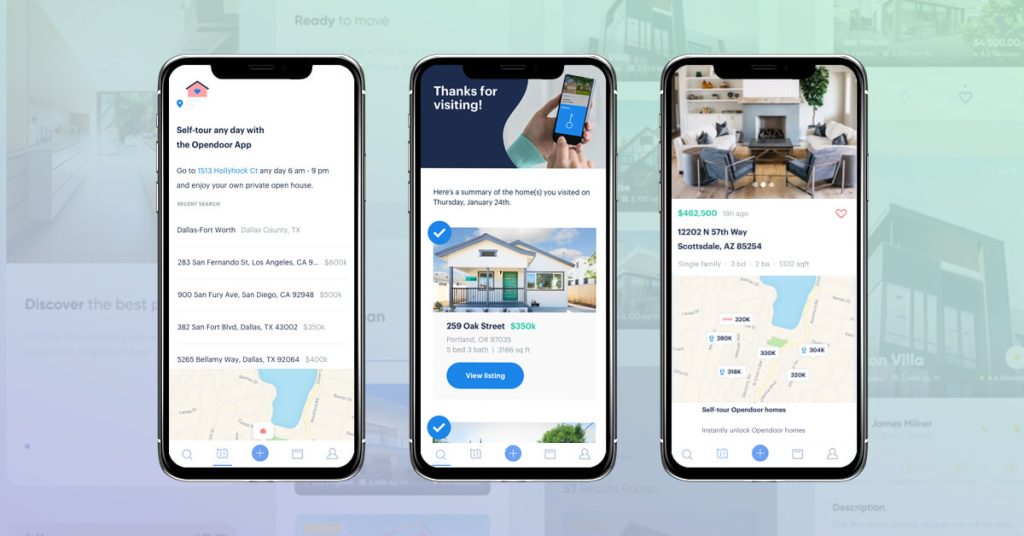
When it comes to building a successful real estate app development project, having the right features is key to attracting and retaining users. From smart search filters to interactive maps and virtual tours, here are the essential features every modern real estate app should offer in 2025:
• Property Listings with Filters
Users want to quickly find the right property. That’s why property listings with filters (by price, size, location, property type, etc.) are essential. These filters help narrow down the search and give users the exact results they’re looking for.
• Advanced Search + Geo-location
Integrating map-based search and geo-location features allows users to search for properties based on their exact location or the area they want to live in. Whether using GPS or browsing nearby neighborhoods, this feature makes property hunting more intuitive and accurate.
• Virtual Property Tours (AR/VR)
Technology like Augmented Reality (AR) and Virtual Reality (VR) is revolutionizing real estate. With virtual property tours, users can explore homes and apartments remotely, giving them an immersive experience before scheduling an in-person visit.
• Interactive Map Integration
Integration with map services such as Google Maps or OpenStreetMap helps users easily find properties based on location. They can view the neighborhood, nearby amenities, and the overall surrounding area in just a few clicks.
• Chat with Agents / In-app Messaging
Real-time communication is a must in today’s fast-paced market. By offering in-app messaging or chat with agents, users can get quick answers to their questions, arrange property visits, or make offers—without ever leaving the app.
• Push Notifications
Stay connected with your users through push notifications. Notify them about new listings, price drops, open houses, or status updates on their favorite properties, keeping them engaged and up to date on everything that matters.
• Mortgage & EMI Calculator
Buying property is a big financial decision. A mortgage or EMI calculator built into the app lets users easily calculate their monthly payments, helping them make informed choices based on their budget.
• Schedule Property Visits
Allow users to schedule property visits directly through the app. This feature simplifies the process and saves time for both buyers and agents, ensuring that appointments are set quickly and smoothly.
• CRM & Admin Panel (for agents/agencies)
A strong backend is just as important as the front-end user experience. An integrated CRM and admin panel allows real estate agents and agencies to manage customer interactions, track properties, and oversee transactions all in one place.
• Multi-language & Currency Support
For international users or buyers looking at properties abroad, multi-language and currency support makes your app accessible to a global audience. This feature can help increase engagement and open up new markets.
4. Tech Trends Shaping Real Estate App Development in 2025
In 2025, technology will continue to play a huge role in shaping how we develop and use real estate apps. Here are some of the key tech trends that are changing the industry, making real estate apps smarter and more engaging:
- Artificial Intelligence (AI):
Personalized Recommendations and Smart Search Algorithms
AI is making real estate apps smarter than ever. By learning from user behaviors and preferences, AI can provide personalized property recommendations. This helps users quickly find the best listings that match their criteria without sifting through irrelevant options. Plus, smart search algorithms help users find properties more accurately with just a few clicks.
- Blockchain Technology:
Enhancing Security and Transparency in Transactions
Blockchain is not just a buzzword in cryptocurrency; it’s making waves in real estate too. This technology helps secure transaction data, reduce fraud, and increase transparency. Every transaction is recorded in a clear and unchangeable ledger, building trust for both buyers and sellers.
- Machine Learning (ML):
Predictive Analytics for Property Valuation and Market Trends
Machine Learning (ML) is helping real estate apps predict property values and market trends more accurately. By analyzing historical data and market patterns, ML can forecast a property’s future value, helping users make smarter investment decisions. It also personalizes the user experience by offering real-time, relevant suggestions.
- Augmented Reality (AR) & Virtual Reality (VR):
Transforming Property Viewings and Buyer Engagement
One of the biggest innovations in real estate is the use of Augmented Reality (AR) and Virtual Reality (VR). With AR/VR, users can tour properties remotely, without leaving their homes. This is especially convenient for buyers who are located far away or in the early stages of property search. They can “walk through” a home, check out details in each room, and even change the layout virtually.
- Internet of Things (IoT):
Smart Homes and Devices Integrated into Real Estate Apps
The Internet of Things (IoT) is transforming everyday life, and real estate is no exception. Real estate apps now integrate IoT to help users find smart homes equipped with devices like lighting controls, thermostats, security cameras, and other smart gadgets. This not only provides convenience but also creates a modern, energy-efficient living experience for users.
These tech trends are not just making real estate apps more powerful and intelligent; they’re completely changing how users search for, buy, and manage properties. If you’re considering developing a real estate app in 2025, make sure not to miss out on these game-changing technologies!
5. Cost of Developing a Real Estate App in 2025
When it comes to developing a real estate app, there are several factors that will determine the overall cost. Understanding these factors can help you estimate how much you’ll need to budget for your app development in 2025. Here’s a breakdown of what impacts the cost and what to expect:
5.1. Factors Affecting Cost:
- Features and Complexity of the App
The more advanced features you want to include, the higher the cost will be. For example, simple features like property listings and search filters will cost less than advanced features like virtual tours (AR/VR), AI-powered recommendations, or smart home integrations. So, it’s important to consider the features you need and how complex they are.
- Design and User Experience
A visually appealing, easy-to-navigate design will require more investment. A custom design that offers a seamless user experience (UX) will take time and resources to create, but it’s worth it to keep users engaged and make your app stand out.
- Development Platform (iOS, Android, or Both)
Developing an app for both iOS and Android will typically cost more than creating an app for just one platform. If you want your app to be available on both iOS and Android, you’ll need to account for the extra time and effort in development.
- Geographical Location of the Development Team
The location of your development team can also affect the cost. For example, developers in North America or Western Europe generally charge higher rates than those in Eastern Europe or Southeast Asia. It’s important to weigh quality against cost when choosing a development team.
5.2. Typical Cost Range:
- Basic Real Estate App:
If you’re looking for a simple app with basic features like property listings, search filters, and contact forms, the cost might range between $20,000 to $50,000.
- Advanced Real Estate App:
For an app with more complex features like virtual property tours (AR/VR), AI-powered recommendations, integration with smart home devices, and multi-language support, the cost could range from $50,000 to $150,000 or more depending on the scope and complexity.
5.3. Timeframe for Development
On average, developing a real estate app can take anywhere from 3 to 9 months. A basic app might be completed in about 3 to 5 months, while a more advanced app with custom features could take 6 to 9 months or longer. Make sure to plan for adequate time for testing, debugging, and refining the app before launch.
5.4. Maintenance and Updates
Even after your app is launched, there will be ongoing costs. Regular updates, bug fixes, and adding new features will require continuous investment. Typically, the maintenance cost can be around 15-20% of the initial development cost per year. Be sure to budget for ongoing support to keep your app running smoothly and up-to-date with the latest technologies.
Understanding these factors and costs will help you make informed decisions when planning to develop a real estate app. Keep in mind that the final price can vary depending on your app’s features, platform, and development team, so it’s always a good idea to get multiple quotes before making your final decision.
6. How to Choose the Right Development Partner for Your Real Estate App
When it comes to developing a real estate app, choosing the right development partner is crucial. The right company will not only bring your vision to life but also ensure that your app is scalable, secure, and user-friendly. Here’s how you can find the perfect development team for your real estate app project:
6.1. Criteria for Selecting a Development Company
- Experience in Real Estate App Development
Look for a company with a proven track record in building real estate apps. An experienced team will understand the unique requirements of the industry, from property listings to integrations with mapping systems and payment gateways.
- Technical Expertise
Ensure the company has the necessary skills and knowledge in the latest technologies, such as AI, AR/VR, and blockchain, that are transforming the real estate app development landscape. A good developer will be comfortable working with a range of tools and platforms.
- Design and User Experience Focus
A great real estate app needs to be not only functional but also visually appealing and easy to use. Choose a development partner who prioritizes design and user experience (UX) to ensure that your app is engaging and intuitive for users.
- Ability to Scale and Adapt
Your app might evolve over time as you add new features and expand your user base. Make sure the development company you choose has experience building scalable solutions that can grow with your business.
- Customer Support and Maintenance
Post-launch support is just as important as development. Choose a team that offers ongoing maintenance and updates to ensure that your app stays up-to-date and bug-free.
6.2. Questions to Ask Before Hiring a Developer
- What is your experience in developing real estate apps?
Ensure the team has specific experience in the real estate sector and understands the complexities of property listings, geolocation features, and real estate transactions.
- Can you provide references or case studies of similar projects?
Ask for examples of apps they’ve developed in the past. This will give you an idea of the quality of their work and their ability to meet deadlines.
- What technologies and tools do you use?
It’s essential to know whether the development team is up to date with the latest technologies, like AI, AR/VR, or IoT, that are shaping the future of real estate apps.
- How do you handle post-launch support and maintenance?
Inquire about their process for handling bug fixes, updates, and any changes you may need after the app goes live.
- What is the estimated timeline for development and deployment?
Ensure they can meet your expectations for the project’s timeline and discuss milestones to keep the development on track.
6.3. Why ONEXT DIGITAL Might Be a Good Fit for Your Real Estate App Development Needs
ONEXT DIGITAL could be the perfect partner for your real estate app development project. With extensive experience in building innovative apps for various industries, including real estate, ONEXT DIGITAL offers a deep understanding of what makes a great real estate app.
• Expertise in Cutting-Edge Technologies:
ONEXT DIGITAL is well-versed in AI, AR/VR, machine learning, and other technologies that are revolutionizing the real estate industry.
• Focus on User-Centric Design:
The team prioritizes creating visually stunning and easy-to-navigate apps that keep users engaged and make the experience enjoyable.
• End-to-End Service:
From ideation to development, deployment, and ongoing support, ONEXT DIGITAL offers a comprehensive range of services to ensure your app is successful from start to finish.
• Proven Track Record:
With successful case studies and happy clients in various sectors, ONEXT DIGITAL has the experience and expertise to build a real estate app that meets your needs and exceeds your expectations.
If you’re looking for a reliable, experienced, and innovative development partner for your real estate app, ONEXT DIGITAL is ready to help you make your vision a reality.
7. Conclusion
In 2025, a real estate app is essential for staying competitive. With cutting-edge technologies like AI, AR/VR, and blockchain, your app can enhance user experiences and streamline property transactions. By integrating key features such as property listings, virtual tours, and in-app messaging, you can stand out in the market.
Though development costs vary, the investment is worthwhile for businesses seeking better engagement and efficiency. Ready to build your real estate app? Contact us today to get started and take your business to the next level!