
 Services
 Solutions
 Main platform
 Technology
 White Label
  Offshore
 Hire developers



In 2025, mobile banking app development is set to play a pivotal role in how billions of people manage their finances. With 39% of people globally already using banking apps as their primary method for managing money, and a projected 3.6 billion users expected to adopt online banking by 2025, it’s clear that the banking industry is undergoing a significant digital transformation. As digital payments become more widespread, the need for advanced and user-friendly mobile banking app development has never been more crucial.
Mobile banking apps now feature a wide array of cutting-edge functionalities, from contactless payments to the integration of artificial intelligence (AI). In this article, we’ll explore the latest trends in mobile banking app development for 2025 and provide solutions for streamlining the app development process to meet the increasing demands of users.
Why Mobile Banking Apps Are Essential in 2025

The shift towards mobile banking app development has been substantial in recent years, and this trend is expected to accelerate even more in 2025. As smartphones become an integral part of everyday life, banking is no longer confined to in-branch visits. Mobile banking apps have evolved from being a luxury to an essential tool for managing personal finances. But what makes these apps so crucial, and how are they shaping the future of the banking industry?
1. Convenience for Users
One of the most compelling reasons why mobile banking apps have become indispensable is the unmatched convenience they offer. Users can access their accounts 24/7, check balances, make transfers, and even pay bills—all with just a few taps. This level of accessibility allows individuals to manage their finances anytime, anywhere, without needing to visit a physical bank branch. Plus, these apps come equipped with robust security features that ensure financial transactions are kept safe and private.
2. Benefits for Banks and Financial Institutions
For banks and financial institutions, mobile banking apps bring numerous advantages. These apps enable financial organizations to extend their services to more customers, including those in remote areas where physical branches might not be accessible. Additionally, mobile banking apps help reduce operational costs by automating processes like account management and customer support, leading to improved efficiency and cost savings. The personalized, user-friendly experience provided by these apps can also increase customer loyalty and satisfaction.
3. Increased Financial Inclusion
Mobile banking apps play a critical role in improving financial inclusion. In many parts of the world, especially rural or underserved regions, access to traditional banking services can be limited. Mobile banking apps eliminate the need for physical bank branches, empowering individuals to manage their finances directly from their smartphones. This is particularly important in developing countries, where access to financial services is often scarce.
4. Personalized Financial Services
Another significant benefit of mobile banking apps is their ability to deliver personalized financial services. With the integration of artificial intelligence (AI) and machine learning, banks can analyze users’ spending habits and provide tailored recommendations, such as budgeting advice or savings plans. This personalized approach makes mobile banking not just a convenient tool, but also a proactive one, helping users make smarter, more informed financial decisions.
5. Enhanced Customer Engagement
Mobile banking apps foster increased customer engagement by enabling real-time communication between banks and their customers. With features like push notifications, personalized offers, and instant alerts on account activity, banks can stay connected with customers more effectively. This engagement enhances customer satisfaction and provides opportunities for banks to introduce new products or services that align with customers’ unique needs.
6. Future-Proofing the Banking Industry
As digital technology continues to evolve, banks must adapt to stay competitive. Mobile banking apps help financial institutions future-proof their services by staying aligned with emerging technologies. By continuously updating their apps with innovative features, banks can ensure they remain relevant and meet the expectations of tech-savvy consumers.
Key Trends in Mobile Banking Apps in 2025
Looking toward 2025, mobile banking app development is poised for even greater advancements, incorporating cutting-edge technologies and adapting to changing customer demands. Here are the key trends that will shape the future of mobile banking apps:
1. Artificial Intelligence and Machine Learning Integration
AI and machine learning are transforming the way mobile banking apps function. These technologies are helping banks offer smarter, more personalized experiences for users. AI-powered chatbots are already being used for customer service, but in the near future, these systems will become even more advanced, offering financial advice, fraud detection, and personalized recommendations in real-time. By analyzing vast amounts of transaction data, AI will be able to anticipate users’ needs and proactively offer tailored financial solutions.
2. Voice-Activated Banking
Voice recognition technology is becoming more sophisticated, and in 2025, voice-activated banking is set to become a standard feature in mobile banking apps. With virtual assistants like Siri, Alexa, and Google Assistant already prevalent, users will be able to complete banking transactions using only their voice. Whether it’s checking balances, transferring funds, or even setting up payments, voice-activated banking will offer even greater convenience, allowing users to manage their finances hands-free.
3. Enhanced Security Features
Security remains a top priority for both banks and users, and mobile banking apps will continue to evolve to meet increasing security demands. Biometric authentication methods, such as fingerprint scanning and facial recognition, will become more widespread. Additionally, multi-factor authentication (MFA) and end-to-end encryption will be used more extensively to protect sensitive financial data and prevent cyber threats. As digital payments grow, banks will invest heavily in securing their mobile platforms against evolving fraud tactics.
4. Contactless Payments and Digital Wallets
Contactless payments have already seen a surge in popularity, and by 2025, this trend is expected to continue. Mobile banking apps will integrate seamlessly with digital wallets, allowing users to make secure payments with just a tap of their phone. These payments are fast, convenient, and secure, and they are gaining traction among users looking for hassle-free transaction methods. Additionally, banks will continue to develop new ways for users to store, manage, and pay with digital currencies, ensuring that mobile banking apps remain at the forefront of digital finance.
5. Blockchain and Cryptocurrency Integration
Blockchain technology and cryptocurrencies are revolutionizing the way we think about money and transactions. In 2025, mobile banking apps will likely integrate cryptocurrency wallets, enabling users to store, trade, and even make payments with cryptocurrencies like Bitcoin, Ethereum, and more. Blockchain, with its decentralized nature, offers increased security, transparency, and efficiency, making it an ideal fit for mobile banking apps aiming to provide cutting-edge financial solutions.
6. Data-Driven Financial Insights
Mobile banking apps will increasingly leverage data analytics to offer actionable insights for users. These apps will analyze spending patterns, income, and saving habits to provide personalized financial advice. Whether it’s budgeting tips, saving for specific goals, or investment recommendations, users will have access to insights that can help them improve their financial well-being. With more consumers relying on mobile banking apps, data-driven services will become a key differentiator for banks looking to attract and retain customers.
The Mobile Banking App Development Process
Developing a mobile banking app is a complex and multi-step process that requires careful planning, attention to detail, and the integration of cutting-edge technologies. Below is a step-by-step guide to the process of developing a mobile banking app in 2025.

1. Survey and Requirements Gathering
The first step in developing a successful mobile banking app is understanding the needs of your target users and the specific features that the app should offer. This involves conducting thorough research, including market analysis and user feedback, to determine which features are most important to your audience. Key considerations include account management, payment processing, security features, and the ability to integrate with existing banking systems. By gathering requirements early on, developers can ensure that the app aligns with customer expectations and business goals.
2. UX/UI Design
User experience (UX) and user interface (UI) design are critical in the development of any mobile app, but they are especially important in mobile banking. The app’s design should be intuitive, visually appealing, and easy to navigate. Users expect a seamless experience with minimal steps required to perform key actions, such as transferring funds or checking account balances. Additionally, the app’s UI must be designed with security in mind, ensuring that users feel confident in conducting sensitive transactions. A well-thought-out design ensures that users can interact with the app comfortably and efficiently.
3. Development and Integration
Once the design is finalized, the development phase begins. This includes coding the app and choosing the right platform and technology stack. Developers will choose between building a native app (for iOS or Android) or a cross-platform app that works on multiple operating systems. The app must be integrated with the bank’s existing systems, including account management, payment gateways, and security protocols. This step ensures that the app can access and manage customer data securely while providing smooth transactions. During this phase, developers will also work on adding features such as push notifications, real-time alerts, and AI-driven suggestions.
4. Testing and Security
Before launching the mobile banking app, extensive testing is required to ensure that it meets high standards of security, stability, and performance. Testing should include penetration testing to identify vulnerabilities, load testing to check the app’s performance under stress, and functional testing to ensure that all features work correctly. Security testing is especially important, as banking apps handle sensitive financial data. The app must comply with data protection regulations and implement encryption and secure login methods to protect user information. A robust testing phase helps identify and address issues before the app goes live.
5. Deployment and Maintenance
After testing is complete and the app is ready for launch, the app is deployed to the App Store or Google Play Store for public download. However, the development process doesn’t end there. Ongoing maintenance is required to ensure the app continues to meet user expectations and remains secure. This includes periodic updates to introduce new features, fix bugs, and improve performance. Additionally, developers must monitor the app for potential security vulnerabilities and address them promptly. Continuous maintenance ensures that the app remains functional, secure, and up-to-date with the latest banking trends and technologies.
Challenges in Mobile Banking App Development
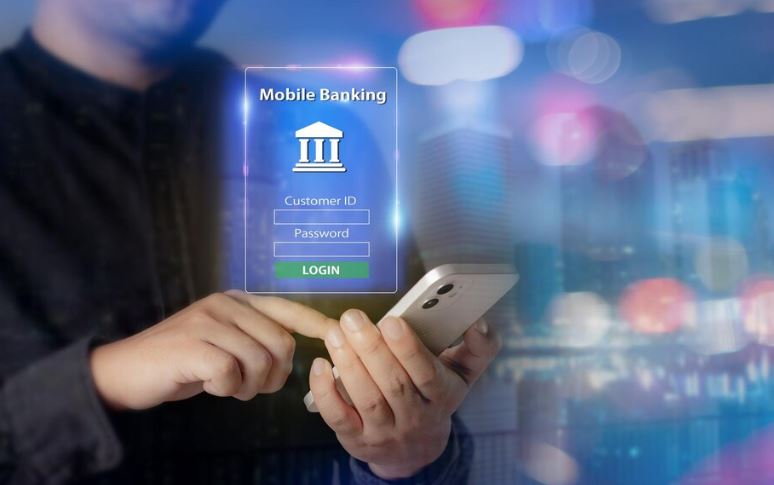
Creating a mobile banking app presents a unique set of challenges that both developers and banks must navigate to provide a secure, efficient, and user-friendly platform. Overcoming these obstacles is crucial to the app’s success and the protection of users’ financial information. Here are some of the main challenges in mobile banking app development:
1. Security and Privacy
Security is one of the top concerns when developing a mobile banking app. Banking apps deal with sensitive financial data, making them prime targets for cyber-attacks. Protecting user data from hackers, securing financial transactions, and preventing unauthorized access to accounts are essential priorities. Developers need to implement robust security measures, such as end-to-end encryption, biometric authentication (fingerprint or facial recognition), and multi-factor authentication (MFA), to safeguard user privacy. Privacy regulations must also be strictly followed to ensure users’ personal information is not compromised.
2. Legal Compliance
Mobile banking apps must comply with various legal and regulatory requirements to ensure they meet the standards for financial transactions and data privacy. Regulations like GDPR (General Data Protection Regulation) for the European Union and PCI DSS (Payment Card Industry Data Security Standard) for handling card payments are just a few examples of the strict compliance requirements that banks must adhere to. Failing to comply with these regulations can lead to heavy penalties and loss of customer trust. Ensuring compliance throughout the app development process is a constant challenge for financial institutions.
3. Performance and Stability
A mobile banking app must perform well even when handling millions of transactions each day. High traffic volume can put significant strain on the app’s infrastructure, leading to slowdowns, crashes, or errors that could disrupt users’ ability to manage their accounts. To overcome this challenge, developers need to optimize the app for speed, ensure it can handle large volumes of transactions, and implement scalability solutions. Regular load testing and stress testing are essential to guarantee that the app can maintain high performance, even during peak usage times.
4. Integration with Banking Systems
Integrating a mobile banking app with existing banking systems can be highly complex. Banks use various legacy systems for managing accounts, processing payments, and storing data. Ensuring that the mobile app works seamlessly with these systems can be difficult, especially when dealing with outdated infrastructure or multiple software platforms. Developers need to ensure smooth communication between the app and the backend systems, and implement APIs (Application Programming Interfaces) that allow for efficient data exchange. Integration must also be secure to prevent potential vulnerabilities.
5. User Experience (UX) Design
Providing an intuitive and user-friendly experience is a critical challenge in mobile banking app development. While ensuring robust security and compliance is essential, users also expect a seamless and easy-to-navigate app. Balancing security features like encryption and multi-factor authentication with a smooth user experience can be tricky. Developers must ensure the app is easy to use without sacrificing security, so users can manage their finances quickly and efficiently. Testing the app for usability and gathering feedback from real users can help identify areas for improvement in the design.
6. Updating and Maintaining the App
The mobile banking app market is constantly evolving, with new features and technologies emerging regularly. Keeping the app updated with the latest functionalities while maintaining security and performance can be challenging. Additionally, maintaining the app involves frequent updates to fix bugs, patch security vulnerabilities, and improve performance. A proactive approach to app maintenance ensures that it remains competitive, secure, and user-friendly in the ever-changing digital landscape.
How to Choose the Right Mobile Banking App Development Partner
Selecting the right mobile banking app development partner is crucial to the success of your app. With the right expertise and tools, you can create a secure, efficient, and user-friendly app that meets your customers’ needs. Here are some essential factors to consider when choosing the ideal development partner for your mobile banking app project:
1. Experience and Expertise
The mobile banking app development process requires specialized knowledge of the banking industry, financial regulations, and the technology needed to ensure security and scalability. It’s essential to choose a development partner with proven experience in the banking and fintech sectors. A partner with experience in building financial applications will understand the intricacies of banking systems, compliance requirements, and how to design user-friendly interfaces while maintaining robust security. Look for a company that has successfully delivered similar projects and can showcase case studies or testimonials from other financial institutions.
2. Technology Stack and Security Standards
The technology stack used by your development partner is a key factor in ensuring the success of your mobile banking app. Ensure that your partner is proficient in the latest technologies and tools required for building secure, scalable, and high-performance applications. The right development partner should also be familiar with advanced security protocols such as encryption, multi-factor authentication (MFA), and secure coding practices. They should follow industry best practices to safeguard user data and comply with security standards like PCI DSS and GDPR. Additionally, check that they are capable of integrating the app with existing banking systems and third-party services using modern APIs and technologies.
3. Long-Term Support and Maintenance
Building a mobile banking app is just the beginning. Long-term support and maintenance are critical for the app’s continued success and security. Ensure that your development partner offers ongoing support after the app is launched, including regular updates, bug fixes, and security patches. Financial apps need constant monitoring to stay compliant with evolving regulations and adapt to new technologies. A reliable partner should provide continuous maintenance, feature enhancements, and technical support to ensure that your app remains functional, secure, and aligned with user expectations over time.
4. User-Centric Design Approach
While technical expertise is essential, user experience (UX) design should also be a priority. Your development partner should have a solid understanding of UX/UI design principles for financial applications. Look for a partner who emphasizes creating intuitive, accessible, and responsive interfaces that are easy for users to navigate. The app should be designed to minimize friction, providing users with a smooth, seamless experience while interacting with their finances. Consider reviewing their portfolio to evaluate the quality and usability of their previous projects.
5. Scalability and Flexibility
A successful mobile banking app must be able to handle growing numbers of users, transactions, and new features over time. When selecting your development partner, ensure they have experience in building scalable applications that can grow with your business. They should be able to design an app architecture that can handle increased demand while maintaining performance. The ability to integrate new features and adapt to technological advancements is also important to future-proof your app.
6. Reputation and Reviews
Finally, take the time to research the reputation of your potential development partner. Look for reviews, feedback, and testimonials from previous clients to assess their credibility and reliability. You can also reach out to other businesses in the banking or fintech industry for recommendations. A reputable development partner should have a strong track record of delivering high-quality projects on time and within budget.
Conclusion
In conclusion, mobile banking app development in 2025 will focus on innovation, security, and user experience. As technology evolves, banks need to integrate AI, biometrics, and contactless payments to stay competitive. By addressing key trends and challenges, financial institutions can build secure and user-friendly apps that meet customer needs and succeed in the digital banking world.
At ONEXT DIGITAL, we specialize in developing secure, scalable, and innovative mobile banking apps. With our expertise in the fintech industry, we help banks and financial institutions build future-ready apps that enhance customer experience and drive growth.
Contact us today to learn how we can help you stay ahead in the evolving world of mobile banking.