
 Services
 Solutions
 Main platform
 Technology
 White Label
  Offshore
 Hire developers



In 2025, businesses need high-quality mobile apps to stay competitive. However, building an in-house team can be expensive and time-consuming. That’s why Outsource Mobile App development has become the go-to solution for companies looking to reduce costs, access expert developers, and speed up time to market.
Top brands like WhatsApp, Slack, and Alibaba have successfully used Outsource Mobile App strategies to scale their businesses and improve product quality. According to a Deloitte report, 79% of global companies outsource software and app development to focus on core business goals and maximize efficiency.
So, why should you consider Outsource Mobile App development in 2025? In this complete guide, we’ll explore outsourcing models, key benefits, challenges, and best practices to help you build a successful outsourcing strategy. Let’s get started!
What is Outsource Mobile App Development?

Outsource Mobile App Development means hiring an external company or team to design, develop, and maintain a mobile application instead of building it in-house. Businesses choose outsourcing to save costs, access skilled developers, and speed up the development process.
Outsourcing can be done in different ways:
- Offshore outsourcing – Hiring a company from another country, usually with lower costs.
- Nearshore outsourcing – Partnering with a company in a nearby country for better collaboration.
- Onshore outsourcing – Working with a local company within the same country.
This approach allows businesses to focus on their core activities while experts handle app development efficiently.
The Outsource Mobile App Development Market in 2025
The demand for Outsource Mobile App development is growing rapidly as businesses seek cost-effective and efficient solutions. Experts predict that the global mobile app outsourcing market will surpass $120 billion in 2025, with steady growth in the coming years. The United States remains the largest market, followed by Europe and Asia-Pacific.
Leading companies like IBM, Accenture, and VMware continue to dominate the industry, providing top-tier outsourcing services. Businesses choose to Outsource Mobile App development to save costs, access skilled developers worldwide, and speed up the development process.
With advancements in AI-powered development, cross-platform frameworks, and enhanced cybersecurity, outsourcing will remain a key strategy for companies looking to build high-quality mobile applications in 2025 and beyond.
Types of Outsourcing Models in Mobile App Development
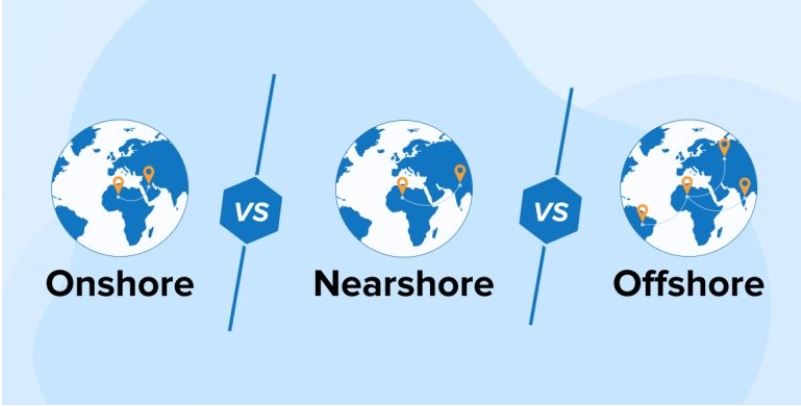
There are three common outsourcing models for mobile app development. Each model offers distinct advantages depending on a company’s needs, budget, and project requirements.
| Outsourcing Model | Description | Key Benefits | Challenges |
| Offshore Outsourcing | Hiring a development team in a country with lower labor costs. | Significant cost savings, access to a vast global talent pool, 24/7 development cycles. | Time zone differences, potential communication barriers, cultural differences. |
| Nearshore Outsourcing | Working with a development team in a neighboring or nearby country. | Better time zone alignment, easier communication, cultural and business similarities. | Slightly higher costs compared to offshore, limited talent pool. |
| Onshore Outsourcing | Partnering with a development team within your own country. | No language barriers, real-time collaboration, easier compliance with local regulations. | Higher development costs compared to offshore and nearshore outsourcing. |
Each outsourcing model has its own set of benefits and challenges, so choosing the right approach depends on factors like budget, project complexity, required expertise, and preferred level of collaboration.
Who Should Consider Outsourcing Mobile App Development?
Outsourcing isn’t just for large enterprises—it’s a strategy that benefits businesses of all sizes. Here are some key groups that can gain the most from outsourcing mobile app development:
1. Startups & Entrepreneurs
Startups often have limited budgets and need to bring their ideas to market quickly. By outsourcing, they can work with experienced developers without hiring an in-house team, saving money while accelerating their app launch.
2. Small & Medium-Sized Businesses (SMBs)
SMBs looking to expand their digital presence can benefit from outsourcing by accessing high-quality development teams at lower costs. This allows them to compete with larger businesses without overspending on IT infrastructure.
3. Large Enterprises
Big companies often outsource to specialized agencies to handle complex projects or scale their development efforts. Outsourcing enables them to focus on core business operations while experts take care of app development.
4. Companies Without In-House Development Teams
Not every company has the resources to maintain a full-time development team. Outsourcing allows businesses to leverage expert talent on demand, reducing the need for long-term hiring commitments.
Key Benefits of Outsourcing Mobile App Development in 2025

Outsourcing mobile app development has become a strategic choice for businesses looking to build high-quality apps efficiently. By partnering with external development teams, companies can reduce costs, access top-tier talent, and speed up their time to market. Below are the key benefits of outsourcing mobile app development in 2025:
1. Cost Savings
Developing an app in-house requires a significant investment in hiring, salaries, office space, and infrastructure. In contrast, outsourcing allows businesses to only pay for the services they need, making it a cost-effective option.
In-house vs. Outsourcing: A Cost Comparison
- Hiring an in-house developer in the U.S. can cost $100,000+ per year, excluding benefits and infrastructure costs.
- Outsourcing to Vietnam, India, or Eastern Europe can reduce costs by 50-70%, while still ensuring high-quality development.
For example, the average hourly rate for app development is:
- U.S./Western Europe: $80 – $150 per hour
- Eastern Europe: $30 – $70 per hour
- Vietnam/India: $20 – $50 per hour
By outsourcing, businesses can save tens of thousands of dollars while still getting expert-level service.
2. Access to a Global Talent Pool
Outsourcing gives companies access to highly skilled developers worldwide, ensuring they get the best talent without geographic limitations.
- Work with experienced developers specializing in various technologies.
- Tap into top IT markets like Vietnam, India, and Eastern Europe, where developers are known for their expertise and competitive pricing.
- Benefit from a wide range of skill sets, from front-end and back-end development to AI and blockchain integration.
For example, Vietnam has become a top outsourcing destination due to its affordable rates, strong technical expertise, and high English proficiency.
3. Faster Time-to-Market
Speed is crucial in today’s competitive digital landscape. Outsourcing helps businesses accelerate app development by leveraging experienced teams who follow streamlined workflows.
- Work with a ready-to-go team instead of spending months hiring and training developers.
- Take advantage of 24/7 development cycles by working with teams in different time zones.
- Use agile development practices to deliver faster iterations and updates.
With outsourcing, companies can launch their mobile apps months ahead of schedule, gaining a competitive edge.
4. Focus on Core Business Activities
Developing a mobile app requires a significant amount of time and resources. By outsourcing, businesses can:
- Stay focused on business strategy, marketing, and customer acquisition while experts handle development.
- Reduce the burden of managing an in-house IT team and complex technical challenges.
- Improve overall business efficiency by delegating app development to specialists.
This allows companies to prioritize growth and innovation without being slowed down by technical complexities.
5. Scalability and Flexibility
Outsourcing provides businesses with the flexibility to scale their development team based on project needs.
- Easily expand the team during high-demand periods or new feature rollouts.
- Reduce team size after project completion to optimize costs.
- Quickly adopt new technologies like AI, AR/VR, or blockchain without long-term hiring commitments.
This level of flexibility ensures that businesses can adapt to market changes without the constraints of an in-house team.
6. Risk Management & Quality Assurance
Working with an experienced outsourcing provider reduces technical and financial risks while ensuring high-quality development.
- Minimize technology risks by working with teams that follow industry best practices.
- Ensure thorough testing and quality assurance (QA) before launching the app.
- Benefit from ongoing maintenance and support to fix bugs and update features.
Leading outsourcing firms follow strict security and compliance measures, ensuring that apps meet data protection and regulatory standards.
Top Challenges in Outsourcing Mobile App Development

Outsourcing mobile app development brings many advantages, but it also comes with challenges that can impact project success. At ONEXT DIGITAL, we don’t just identify these obstacles—we actively implement solutions to ensure smooth collaboration and high-quality outcomes.
Here are some common challenges in outsourcing app development and how ONEXT DIGITAL helps businesses overcome them:
1. Communication Gaps and Misunderstandings
A major challenge in outsourcing is the risk of miscommunication due to differences in language, culture, and time zones. This can cause delays, unclear expectations, and unnecessary revisions.
How Onext Digital solves this:
- We establish clear communication channels via Slack, Teams, and Trello to ensure transparency.
- Regular video meetings and status updates keep all stakeholders aligned.
- Our English-proficient team ensures seamless collaboration with international clients.
2. Quality Control and Consistency
When working with an outsourced team, ensuring consistent code quality and best practices can be a challenge. Poor documentation or lack of testing can lead to bugs, inefficiencies, and security issues.
How Onext Digital ensures quality:
- We follow strict coding standards and conduct regular code reviews.
- Every project undergoes comprehensive testing (functional, UI, security, performance) before deployment.
- Our team provides detailed documentation to ensure maintainability and scalability.
3. Project Management Complexity
Handling a remote team can be complex, especially with multiple teams involved. Unclear roles, scope creep, and lack of coordination can derail project timelines and budgets.
How Onext Digital streamlines project management:
- We use Agile and Scrum methodologies for efficient collaboration and delivery.
- Each project is assigned a dedicated project manager, ensuring smooth execution.
- We define clear roles and responsibilities from the start to prevent misalignment.
4. Security and Data Privacy Risks
Outsourcing involves sharing sensitive business data and proprietary code, which can lead to data breaches, IP theft, or compliance issues.
How Onext Digital protects your data:
- We sign Data Processing Agreements (DPA) to ensure compliance with GDPR, CCPA, and other regulations.
- Our contracts include clear Intellectual Property (IP) protection clauses to safeguard your assets.
- We implement robust cybersecurity measures, including encrypted data storage and secure access controls.
5. Misaligned Expectations and Project Goals
When requirements are vague, the final product might not meet business needs. This often happens due to unclear specifications or a lack of iterative feedback.
How Onext Digital ensures alignment:
- We define detailed project goals and document every requirement.
- Regular feedback loops and iterative reviews ensure the app aligns with your vision.
- Our team provides prototypes and wireframes early on to avoid costly redesigns later.
6. Hidden Costs and Budget Overruns
While outsourcing reduces costs, unexpected expenses like feature additions, scope changes, or delays can lead to budget overruns.
How Onext Digital keeps costs transparent:
- We provide clear project estimates upfront, with a breakdown of all costs.
- Any scope changes go through a well-defined approval process.
- Our pricing model ensures you only pay for what’s agreed upon, avoiding unexpected charges.
7. Finding the Right Outsourcing Partner
Choosing an outsourcing partner without proper research can lead to poor quality, delays, or project failure.
Why Onext Digital is the right choice:
- We have a proven track record in mobile app development outsourcing.
- Our portfolio and client testimonials showcase successful projects across industries.
- We prioritize long-term partnerships with a strong focus on transparency, quality, and innovation.
Conclusion
Outsourcing mobile app development in 2025 is a strategic move for businesses looking to reduce costs, access top-tier talent, and accelerate time to market. By understanding different outsourcing models, evaluating potential challenges, and choosing the right development partner, you can build a high-quality mobile app that meets your business goals.
As the demand for mobile applications continues to grow, outsourcing remains a cost-effective and efficient solution. Whether you’re a startup or an established enterprise, working with the right outsourcing team can give you a competitive edge in the digital landscape.
Ready to outsource your mobile app development? Contact us today to explore your options and find the best solution for your project!