
 Services
 Solutions
 Main platform
 Technology
 White Label
  Offshore
 Hire developers



Offshore Salesforce engineers are quickly becoming the go-to solution for businesses looking to cut costs, tap into global talent, and scale operations efficiently. But is this approach the right fit for your company? What are the potential challenges, and how can you ensure success when managing an offshore team?
To fully leverage the benefits of offshore teams, it’s crucial to understand the best practices and overcome common obstacles that may arise.
In this blog, we’ll explore everything you need to know about offshore Salesforce engineers—covering their key advantages, the challenges you might face, and the strategies that will help you build strong, effective remote teams. Whether you’re new to offshore development or looking to optimize your current process, this guide will provide you with the insights you need to succeed.
Why Hire Offshore Salesforce Engineers for Cost-Effective Salesforce Development?
Offshore Salesforce Engineers are highly skilled professionals who specialize in customizing and optimizing the Salesforce platform, integrating custom systems, and developing Salesforce applications tailored to specific business needs. They utilize both coding and no-code tools to create solutions that are perfectly aligned with your company’s requirements.

As businesses grow, scaling Salesforce operations efficiently becomes a priority. However, hiring locally can limit your options due to higher costs and a smaller talent pool. Offshore Salesforce Engineers, on the other hand, offer a broader selection of experienced professionals at a fraction of the cost. With their diverse global expertise and flexibility, they can integrate seamlessly with your in-house team, leveraging remote collaboration tools to ensure smooth communication and effective project execution.
The Benefits of Hiring Offshore Salesforce Engineers
Hiring offshore Salesforce engineers offers numerous advantages for businesses looking to scale their Salesforce operations efficiently and cost-effectively. Here are some key benefits:
- Global Talent for Salesforce Solutions
One of the main advantages of hiring offshore Salesforce engineers is the ability to tap into a global talent pool. By looking beyond your local market, you can find skilled professionals with specific Salesforce expertise, including advanced certifications and specialized knowledge. This is particularly important in a competitive field like Salesforce, where the demand for qualified engineers often outpaces the supply.
Offshore hiring allows you to find top-tier talent from regions with strong tech education systems, such as India, Vietnam, or Eastern Europe, expanding your options significantly compared to hiring locally.
- Cost Savings

One of the most immediate benefits of offshore hiring is the cost savings. Labor costs in offshore locations are typically lower than in high-cost markets like the U.S. or Western Europe. This means you can hire skilled Salesforce engineers at a fraction of the price, which allows you to allocate your budget to other areas of your business, such as marketing, infrastructure, or product development.
Offshore teams also save you from the high overhead costs associated with maintaining in-house staff, such as office space, utilities, and equipment.
- Scalability and Flexibility
Offshore Salesforce engineers offer businesses the flexibility to scale their teams quickly and efficiently based on project needs. If you need to expand your team for a specific project or reduce the size of the team once a task is complete, offshore hiring allows you to do so without the long-term commitment of hiring full-time employees. This scalability is particularly useful for businesses that experience fluctuating workloads or want to respond quickly to market changes.
- Global Expertise and Diverse Perspectives
Offshore Salesforce engineers bring valuable global experience and diverse perspectives to your projects. Professionals from different regions may have worked on a variety of Salesforce implementations across different industries, giving them a wealth of knowledge that can help solve complex business challenges. Their expertise in international markets can also help ensure your Salesforce solutions are adaptable to different regions, which is important for companies operating globally.
- Increased Productivity and Faster Turnaround
Offshore teams can work around the clock, especially if you hire engineers from different time zones. With engineers working while your in-house team is offline, you can maintain continuous progress on your Salesforce projects. This leads to faster project completion and reduced development timelines. Additionally, offshore teams are often more accustomed to working on tight deadlines and can help deliver high-quality solutions in less time.
- Efficient Remote Collaboration
Advances in communication and project management tools have made it easier than ever to collaborate with remote teams. Offshore Salesforce engineers can work seamlessly with your in-house team using tools like Slack, Zoom, Trello, and Jira to manage tasks, track progress, and communicate effectively. This makes managing offshore teams much more streamlined and ensures that everyone is on the same page, regardless of location. You can have daily check-ins, video calls, and real-time collaboration to ensure the project is moving forward smoothly.
- Focus on Core Business Functions
By outsourcing your Salesforce development to offshore engineers, you can free up valuable resources within your company. This allows your in-house team to focus on more strategic initiatives, such as sales, marketing, and customer relations. Your internal resources can devote more time to driving the business forward, while your offshore team takes care of the technical aspects of Salesforce management and customization.
Challenges Hiring Offshore Salesforce Engineers

While hiring offshore Salesforce engineers brings numerous benefits, it also presents certain challenges. To successfully integrate an offshore Salesforce team, businesses must plan strategically and proactively. Let’s dive into some key challenges and how to address them effectively.
1. Quality Control
When hiring locally, businesses often rely on personal networks—friends, colleagues, and trusted referrals. However, with offshore hiring, you don’t have the same level of familiarity or trust to fall back on. To ensure you’re hiring top-tier talent, a thorough vetting process is essential.
Steps for Effective Vetting:
- Conduct multiple video interviews: Assess both technical expertise and communication skills.
- Perform technical assessments: Use live coding exercises to observe problem-solving and work quality in real-time.
- Check references: Follow up with previous employers to verify skills, reliability, and performance.
- Use reputable hiring platforms: Platforms like FoundHQ provide pre-vetted candidates, making the hiring process more reliable.
- Implement trial periods: Begin with short-term contracts to evaluate the candidate’s work before making a long-term commitment.
At ONEXT DIGITAL, we simplify this process. We vet all candidates through a three-step system:
- Soft Skills Assessment: Evaluating communication skills and the ability to collaborate with clients.
- Hard Skills Assessment: Our Salesforce experts verify the candidate’s technical knowledge.
- Client References: We check references to ensure the offshore engineer’s qualifications and past performance are genuine.
Additionally, you can hire offshore Salesforce Quality Assurance Engineers to test your system and ensure its functionality, ensuring everything works as intended.
2. Communication Barriers
Language and cultural differences can pose challenges when working with offshore teams. Misunderstandings or miscommunications may lead to delays or mistakes. To minimize these barriers, clear and consistent communication is key.
Effective Communication Strategies:
- Use collaboration tools: Leverage tools like Slack or Microsoft Teams for real-time chats, and schedule regular video calls to keep the team aligned.
- Encourage open dialogue: Create an environment where team members can ask questions and share updates freely.
- Cultural training: Familiarize your team with cultural differences and nuances to enhance collaboration and reduce friction. Understanding different work habits, holidays, and communication styles can lead to smoother interactions.
3. DevOps Process
When managing an offshore Salesforce team, the DevOps process becomes critical. Multiple engineers working on the same codebase requires streamlined tools, processes, and QA methods to prevent confusion and delays in production.
Best Practices for a Smooth DevOps Process:
- Implement proper tools for version control, project management, and continuous integration.
- Establish clear QA procedures to ensure code quality and minimize bugs.
- Ensure that all engineers are aligned on the development and deployment processes.
4. Managing Expectations
Setting clear expectations from the outset is essential when working with offshore Salesforce engineers. Misalignment can lead to frustration, missed deadlines, and miscommunication. Define the scope of work and key deliverables early on.
Key Expectations to Clarify:
- Turnaround time: Set deadlines for tasks and requests.
- Team interaction: Specify how often offshore engineers should attend stand-ups and interact with other team members.
- Communication frequency: Determine how often updates and meetings should take place.
By clearly defining these expectations, you’ll ensure that your offshore team works in sync with your internal teams and avoids misunderstandings.
5. Security Concerns
Data security and privacy are critical when outsourcing any aspect of your business, including Salesforce development. Protecting sensitive data is a priority, so setting up clear service level agreements (SLAs) is essential.
Addressing Security:
- Define roles and access controls: Specify who has access to sensitive data and ensure the right security measures are in place.
- Create comprehensive SLAs: These agreements should cover everything from task roles to timelines, data access, and dispute resolution.
- Adhere to privacy regulations: Ensure your offshore engineers comply with relevant data protection laws, such as GDPR or CCPA, to safeguard customer information.
Top Offshore Locations for Hiring Salesforce Engineers
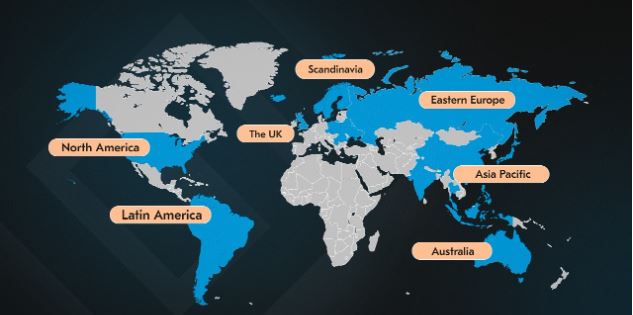
As businesses continue to seek cost-effective ways to scale their Salesforce operations, offshore locations are becoming a popular choice for hiring Salesforce engineers. By tapping into global talent pools, companies can benefit from high-quality work at competitive rates. Below are some of the top offshore locations for hiring Salesforce engineers, with a special focus on Vietnam, which is gaining traction as a key player in this field.
1. Vietnam: A Rising Star in Salesforce Development
Vietnam has become one of the most attractive destinations for offshore Salesforce engineering due to its combination of affordable rates, skilled professionals, and cultural compatibility. The country is home to a rapidly growing IT sector, with many developers specializing in Salesforce and other CRM platforms.
Key Advantages of Vietnam:
- Cost-Effective: Lower operational costs make it an attractive option for businesses looking to save on development costs.
- Skilled Workforce: Vietnam is producing a growing number of certified Salesforce professionals who have the expertise to handle complex projects.
- Cultural Compatibility: Vietnamese engineers have a strong work ethic and are adept at collaborating with teams from different cultures.
- Time Zone Advantage: With a time zone of GMT+7, Vietnam offers overlapping working hours for both European and U.S. companies, making real-time collaboration possible.
2. India: The Largest Outsourcing Hub
India remains one of the world’s largest and most established outsourcing destinations, particularly for IT and software development. The country boasts a vast pool of Salesforce-certified developers who are highly skilled in custom Salesforce development, integration, and app creation.
Key Advantages of India:
- Large Talent Pool: India has an abundance of skilled professionals, many with expertise in Salesforce development and certifications.
- Cost-Effective: Lower wages compared to Western countries make it a cost-effective solution for businesses.
- Proven Track Record: India has a long history of outsourcing IT services, and many Salesforce professionals have experience working with international clients.
- 24/7 Productivity: The time zone difference allows for round-the-clock work, which can accelerate project timelines.
3. The Philippines: A Strong Option for English-Speaking Engineers
The Philippines is another top choice for offshore Salesforce development due to its English proficiency and strong technical talent pool. Many businesses outsource Salesforce engineers to the Philippines because of the country’s reputation for high-quality work and strong communication skills.
Key Advantages of the Philippines:
- English Proficiency: The majority of professionals in the Philippines speak fluent English, making communication and collaboration seamless.
- Skilled Workforce: The Philippines has a growing number of Salesforce professionals who are trained to deliver high-quality services.
- Cultural Compatibility: Filipino workers are known for their adaptability and ability to work in diverse international environments.
- Cost-Effective: Competitive rates allow businesses to access skilled talent at a lower cost than in the U.S. or Europe.
4. Eastern Europe: Poland, Romania, and Ukraine
Countries in Eastern Europe, such as Poland, Romania, and Ukraine, are becoming increasingly popular for offshore Salesforce development. These countries offer a blend of technical expertise, cost-effectiveness, and proximity to Western Europe.
Key Advantages of Eastern Europe:
- High-Quality Talent: Eastern European countries have a strong emphasis on education in STEM fields, resulting in highly skilled Salesforce engineers.
- Cultural Proximity: Similar working hours and cultural alignment with European companies make communication and collaboration easier.
- Competitive Rates: While not as low-cost as India or the Philippines, Eastern European countries still offer competitive rates compared to Western Europe.
- Time Zone Alignment: Being in the same or similar time zones with Europe allows for easier real-time collaboration.
5. Latin America: Argentina, Brazil, and Mexico
Latin America is becoming an increasingly popular offshore destination for Salesforce engineers, especially for U.S.-based businesses. Countries such as Argentina, Brazil, and Mexico offer a strong mix of technical skills and cost-efficiency.
Key Advantages of Latin America:
- Proximity to the U.S.: U.S.-based companies benefit from similar time zones, making real-time communication and collaboration easier.
- Growing Talent Pool: Argentina, Brazil, and Mexico are all seeing growing numbers of Salesforce-certified professionals.
- Cost-Effective: Latin America offers competitive rates, making it an attractive option for businesses looking to save costs.
- Cultural Similarities: Shared work habits and business practices with the U.S. and Canada facilitate smoother communication and project execution.
6. South Africa: A Hidden Gem for Salesforce Engineers
South Africa is increasingly being considered an offshore destination for Salesforce engineers, especially for businesses in Europe and the U.S. The country’s emerging tech industry and high-quality workforce make it an appealing option for companies looking to scale their Salesforce operations.
Key Advantages of South Africa:
- English Proficiency: English is one of South Africa’s official languages, making communication with offshore teams easy and effective.
- Competitive Rates: South Africa offers cost-effective solutions for Salesforce development without compromising on quality.
- Time Zone Advantage: South Africa’s time zone (GMT+2) makes it well-suited for businesses in Europe, offering convenient overlap for collaboration.
- Skilled Workforce: South Africa has a growing pool of skilled Salesforce professionals who are well-versed in the platform and its capabilities.
How to Assess and Select the Right Offshore Salesforce Engineers
When hiring offshore Salesforce engineers, selecting the right candidates can make or break your project. Below are some essential tips to help you evaluate potential engineers effectively.
1. Skills Assessment for Salesforce Engineers
When assessing offshore Salesforce engineers, you need to evaluate their proficiency across several key areas. Here are five crucial skill assessments:
- Technical Knowledge:
Evaluate their understanding of Salesforce architecture, including objects, fields, relationships, and metadata. Look for proficiency in core Salesforce features such as workflows, process builder, approval processes, Apex coding, Visualforce development, and the Lightning Experience.
- Integration and Data Management Skills:
Test their ability to integrate Salesforce with external systems using tools like REST, SOAP APIs, and middleware platforms such as MuleSoft or Informatica. Additionally, assess their skills in data management, such as data migration, deduplication, import/export, and creating validation rules.
- Problem-Solving and Debugging Abilities:
Use scenario-based questions or case studies to assess their ability to troubleshoot issues and resolve problems within the Salesforce platform. Look for a structured approach to problem-solving and their ability to debug effectively.
- Soft Skills and Continuous Learning:
Communication is key, so evaluate their ability to clearly explain complex technical concepts to non-technical stakeholders. Assess how well they work in teams and their ability to collaborate in a remote or distributed environment. Look for evidence of continuous learning, showing they stay updated with Salesforce advancements.
2. Verifying Salesforce Certifications
Salesforce certifications are a key indicator of a candidate’s qualifications. Here’s how you can verify a potential candidate’s certification status:
- Webassessor is the platform where Salesforce engineers apply for certifications and track their progress.
- Trailblazer.me is their Salesforce profile on Trailhead, which shows their Salesforce community activity and accomplishments.
To verify a candidate’s certification, follow these steps:
#1. Go to the Salesforce Trailhead platform and select “Verify Credentials.”
#2. Under “Certificate Holders: Check Your Status,” enter the candidate’s Webassessor email address.
#3. The certification status will be displayed, including details such as the certification name, earned date, expiration date, and any necessary maintenance.
#4. Download the PDF version of the certification for your records.
3. Communication Skills
Technical expertise is essential, but strong communication skills are equally important, especially in a remote setting. Here’s how to evaluate a candidate’s communication abilities:
- Video Interviews: Video calls are an excellent way to assess their ability to explain technical concepts and respond to questions. Pay attention to how clearly they communicate, their confidence, and their ability to make complex ideas easy to understand.
- Written Communication: Request samples of their written work, such as documentation or project reports. Clear and concise writing is critical when working with remote teams, as it ensures everyone is aligned and reduces the risk of misunderstandings. Good documentation helps maintain clarity throughout the project lifecycle.
4. Trial Projects
Trial projects provide an excellent opportunity to test the candidate’s practical skills and how they integrate into your team. You can assign them a small, real-world task that mirrors the work they would do on your project. This will give you a sense of their technical abilities, problem-solving approach, and how they collaborate with others.
5. Review Past Salesforce Experience
A candidate’s previous experience can give you a solid understanding of their skills and capabilities. Look at the Salesforce projects they’ve worked on and assess how their experience aligns with the tasks they’ll face on your project.
Don’t just rely on names of companies they’ve worked with—dig deeper into the specifics of their contributions. Ask about the challenges they faced, how they overcame them, and the specific technologies they used. This will give you a clearer picture of their expertise and whether it’s a good fit for your needs.
Conclusion
Hiring offshore Salesforce engineers presents significant advantages, such as access to a broader talent pool, cost savings, and the ability to scale your CRM solutions more efficiently. However, to fully capitalize on these benefits, it’s essential to overcome potential challenges like communication barriers, quality control, and data security. By implementing a solid vetting process, maintaining clear communication, and setting expectations upfront, you can ensure that your offshore team integrates seamlessly into your operations.
With the right strategies, offshore Salesforce engineers can become a valuable and trusted part of your business, driving success and innovation for your CRM needs. Contact us today to hire skilled offshore Salesforce engineers and scale your operations